
What is 4g?
The next generation of mobile technology standards, 4G is the latest buzzword for smartphone and tablet users. 4G succeeds the third generation (3G) standards and provides ultra-broadband Internet access, which opens the door to high-definition mobile TV, video conferencing and cloud computing. Initial 4G candidates include the Mobile WiMax standard and Long Term Evolution (LTE), although some debate exists as to whether these systems qualify under official standards.
The International Mobile Telecommunications Advanced specification requires 4G services to transmit data at a peak rate of at least 100 megabits per second for high-mobility communication (from cars and trains) and 1 gigabit per second for low-mobility communication (stationary users). LTE Advanced is an IMT-Advance compliant network that delivers the required speeds. Along with increased speed, 4G technology offers an abundance of performance-focused improvements. 4G networks use multiple-input and multiple-output (MIMO) antennas to improve communication performance. This form of smart antenna technology increases data throughput and link range without additional bandwidth. 4G technology also features adaptive links with error-correcting codes for fewer bugs. Users may not be able to pinpoint some of the changes under the hood, but 4G offers an overall improved mobile experience.
On the surface, 4G technology is yet another step forward in terms of performance. Users will experience browsing speeds comparable to Wi-Fi networks, and with so much available bandwidth, they will be able to take advantage of cutting-edge tablet and smartphone features that would bog down lesser networks. Older-generation networks are not obsolete, but 4G is the pinnacle of mobile performance in the current market. Whether you are looking for increased browsing speeds, higher video-call quality or clear mobile TV signals, 4G will deliver the best performance in any circumstance.
What is the difference between 3g and 4g?
Short for fourth generation, 4G is the mobile communication technology standard that succeeds 3G. When 3G hit the market, it offered increase speeds and higher bandwidth. 4G takes these standards to the next level, raising the bar in terms of mobile device performance.
IMT-Advanced specifications set peak speed requirements for 4G services at a minimum of 100 megabits per second for high-mobility communication and 1 gigabit per second for low-mobility communication. 3G standards require providers to transfer data at peak rates of at least 200 kilobits per second. The significant speed boost associated with 4G opens the door for better call quality, faster browsing, clearer video calls and even high-definition mobile TV.
3G networks raised the level of personal security, replacing the A5/1 stream cipher with the more reliable KASUMI block cipher. 4G retains its predecessor’s security standards, but with additional key features. Multiple-input and multiple-output (MIMO) antennas increase the data throughput and link range without adding bandwidth. This means improved communication performance and more reliable coverage. 4G technology also features error-correcting codes that minimize bugs. 4G and 3G offer varying levels of performance. Both are reliable for basic web browsing and app use, but 4G outshines its predecessor on more complex functions.
Do I need 4g?
The fourth generation of mobile communication standards, 4G offers increased speed and advanced performance features. On a 4G network, users can access advanced mobile features such as video calling, mobile TV and high-bandwidth apps without reliability concerns. 4G offers top-end service for tablet and smartphone users who rely on their devices throughout the day.
IMT-Advanced requirements specify that 4G networks must deliver a peak speed of at least 100 megabits per seconds for high-mobility communication and 1 gigabit per second for low-mobility communication. This is a significant jump from the 200 kilobit per second standards assigned to 3G networks. Along with this speed boost, 4G also delivers unprecedented performance features. 4G networks use multiple-input and multiple-output (MIMO) antennas to increase data throughput and link range. Link adaption automatically corrects coding errors to reduce the amount of bugs. You may not be able to pinpoint how, but 4G raises the bar for performance and user experience.
Eventually, users will all experience these speed and performance standards, but right now, 4G is an advanced alternative to lesser services. Users can complete basic smartphone and tablet functions without this increased performance, but 4G coverage can handle the more complex mobile functions hitting the market. As you shop for your next tablet or smartphone, consider the benefits of a device that can support this advanced network.
What Lenovo products are 4g capable?
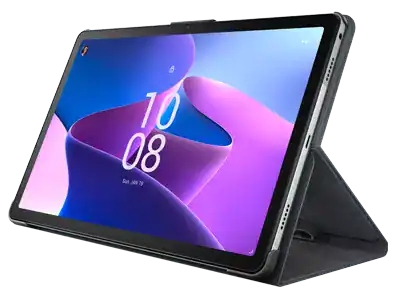
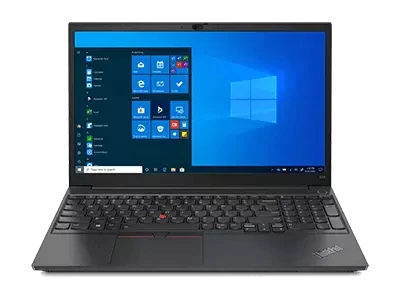
Lenovo offers a range of devices that support the latest mobile communication standards. The ThinkPad Tablet and Convertible include models that are 4g capable depending on the available mobile phone services available in your region. Quality, reliable hardware meets cutting-edge network technology to create an unprecedented user experience. 4G is the next generation of mobile communication standards. IMT-Advanced standards specify that 4G networks should deliver peak data rates of at least 100 megabit per second for high-mobility areas and 1 gigabit per second for low-mobility areas. This increased speed enables users to take advantage of the wide array of functions and apps available on smartphones and tablets. Browse the Internet at lightning speed, video chat with family on the go or stream live TV reliably with this advanced mobile technology. 4G is the most advanced mobile network to date. Combined with the right device, it will take your mobile experience to a new level.
Acheter des produits associés
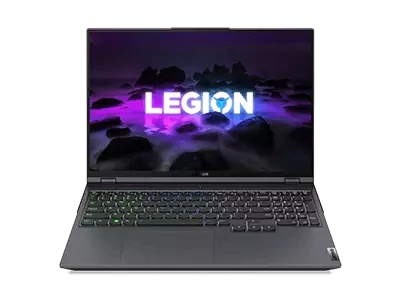
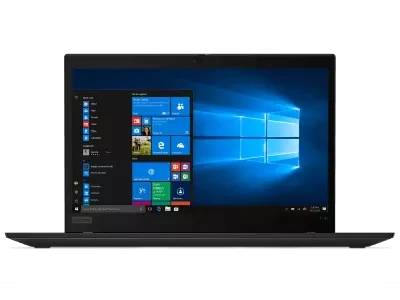
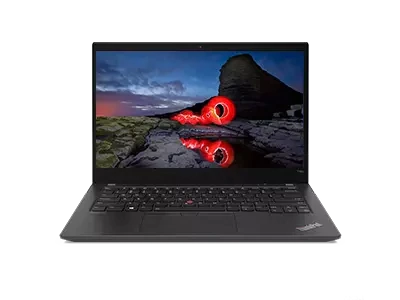
Limites : commandes limitées à cinq ordinateurs par client. Pour des quantités supérieures, visitez la section “Où acheter” du site Web pour des informations détaillées sur les revendeurs et distributeurs des produits Lenovo.
Offres et disponibilité : toutes les offres sont dans la limite des stocks disponibles. Les offres, tarifs, spécifications et disponibilités sont susceptibles de modification sans préavis. Les offres de produits et les caractéristiques présentées sur ce site Web peuvent être modifiées à tout moment et sans préavis. Les modèles présentés le sont uniquement à titre d'illustration. Lenovo ne peut être tenu responsable des erreurs photographiques ou typographiques. Les PC illustrés ici sont livrés avec un système d'exploitation.
Prix : les prix Web indiqués sont TTC. Les prix et les offres apparaissant dans le panier sont susceptibles d'être modifiés jusqu'au moment où la commande est passée. * La tarification et les économies portent sur les prix Lenovo normalement constatés sur le Web. Les prix pratiqués par les revendeurs peuvent différer et être supérieurs aux prix présentés ici.
Les prix sont indiqués en euros et incluent la TVA
**Batterie : ces systèmes ne prennent pas en charge les batteries qui ne sont pas authentiques, fabriquées ou agréées par Lenovo. Ces systèmes démarreront, mais peuvent ne pas charger ces batteries non agréées. Lenovo ne saurait être tenu pour responsable du bon fonctionnement et de la sécurité de batteries non agréées et n'assume aucune garantie en cas de panne ou de dommage résultant de leur utilisation. * L'autonomie de la batterie est basée sur la méthodologie MobileMark® 2014 et constitue une estimation haute. L'autonomie réelle de la batterie varie en fonction de nombreux facteurs, dont la luminosité de l'écran, les applications actives, les fonctionnalités, les paramètres de gestion de l'alimentation, l'âge et le conditionnement de la batterie, et d’autres choix de configuration de l'utilisateur.
Généralités :consultez les informations essentielles fournies par Microsoft® qui peuvent s'appliquer au système acheté, notamment concernant Windows 10, Windows 8, Windows 7 et les éventuelles mises à niveau ascendantes/descendantes. Lenovo n'offre aucune garantie, ni ne peut être tenu responsable des produits ou des services issus de tiers.
Marques : Lenovo, ThinkPad, IdeaPad, ThinkCentre, ThinkStation et le logo Lenovo sont des marques commerciales de Lenovo. Microsoft, Windows, Windows NT et le logo Windows sont des marques commerciales de Microsoft Corporation. Ultrabook, Celeron, Celeron Inside, Core Inside, Intel, le logo Intel, Intel Atom, Intel Atom Inside, Intel Core, Intel Inside, le logo Intel Inside, Intel vPro, Itanium, Itanium Inside, Pentium, Pentium Inside, vPro Inside, Xeon, Xeon Phi, Xeon Inside et Intel Optane sont des marques commerciales d'Intel Corporation ou de ses filiales aux États-Unis et/ou dans d'autres pays. © 2023 Advanced Micro Devices, Inc. Tous droits réservés. AMD, le logo AMD avec la flèche, Athlon, EPYC, FreeSync, Ryzen, Radeon, Threadripper, et leurs combinaisons sont des marques commerciales d’Advanced Micro Devices, Inc. D'autres noms de société, de produit ou de service peuvent être des marques déposées par leurs sociétés respectives.
