Lenovo Neptune Liquid Cooling for Data Centers & GPUs
Cooling the Powerhouses of the Digital World Efficiently
In today's data-driven world of artificial intelligence (AI), nearly every bit and byte moves through large data centers loaded with servers that are dense with high-performance GPUs. It creates amazing AI brainpower but produces relentless heat that must be controlled. And while regular air-flow cooling can’t keep up, innovative liquid cooling can.
Instead of asking air alone to cool GPU clusters, liquid cooling harnesses the thermal power of water to move heat away from critical components efficiently and quietly. It’s a huge leap forward that's rewriting the book on data center design and operation.
Let’s break down the rise of data center liquid cooling: why it’s gained ground, what it means for your data center infrastructure, and the features that make Lenovo Neptune Liquid Cooling so popular. We’ll also take a high-level look at how water-cooled servers can be a game-changer for high-performance computing.
Liquid Cooling System Benefits for Data Centers
Switching to liquid cooling isn’t just a hardware tweak. It’s a strategy shift with big impacts for performance, space, and sustainability. At its core, water moves heat thousands of times better than air. And that invisible edge can deliver visible results for data centers and the staff running them, who are always under pressure to do more, faster.
As AI and analytics workloads have grown, power demands—and heat output—have skyrocketed, too. Liquid cooling data centers tackle this with great efficiency, helping servers to keep operating in peak condition. That means more work per server, lower risk of heat throttling, and greater freedom to scale up without compromising reliability.
How Lenovo Neptune Technology Improves Data Center Liquid Cooling
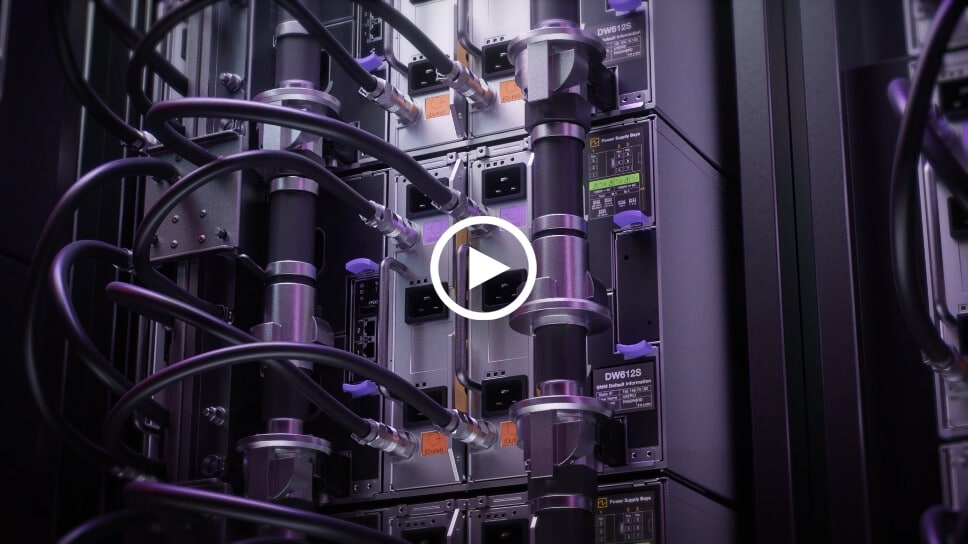
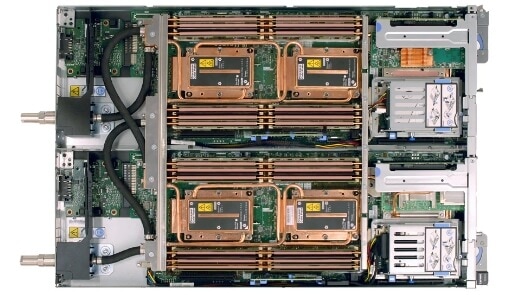
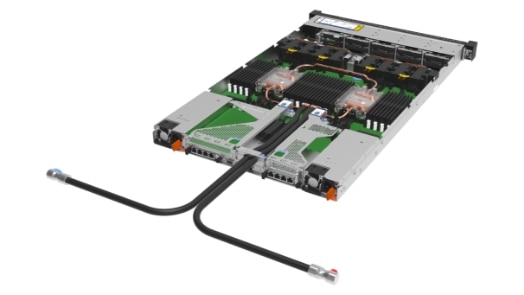
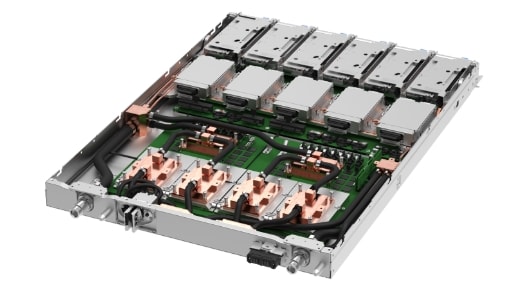
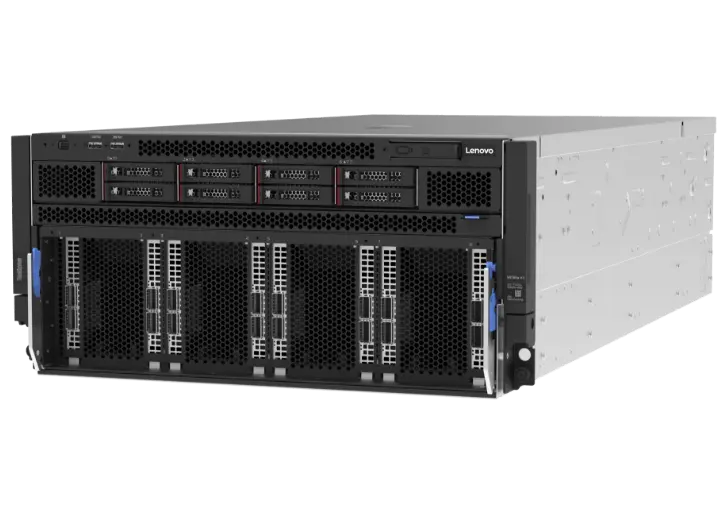
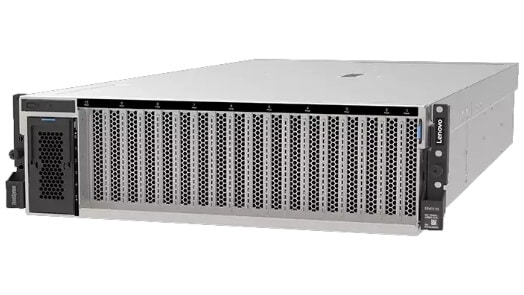
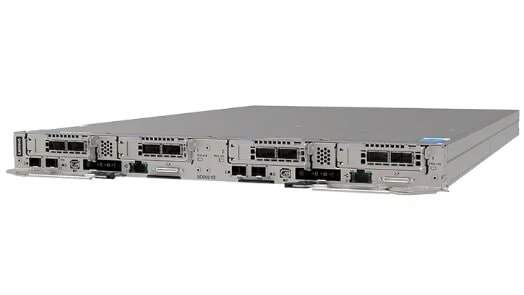
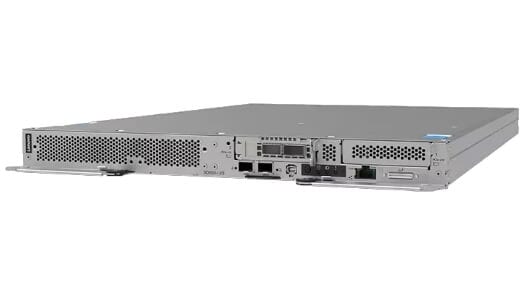
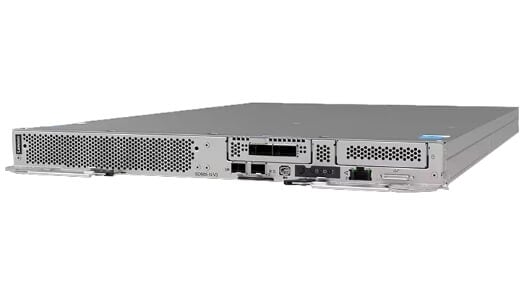
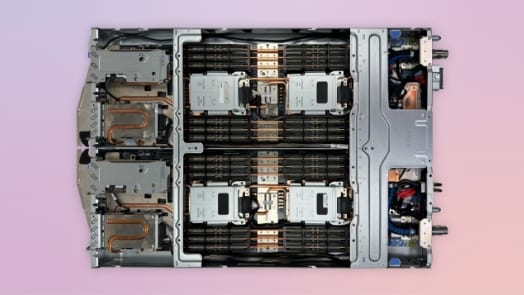
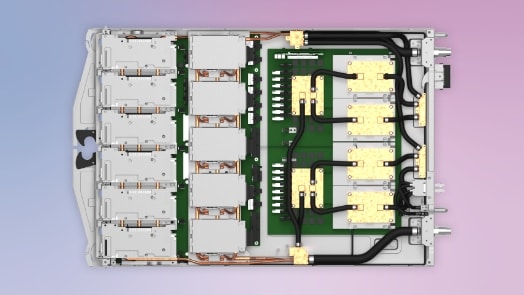
Lenovo Neptune Liquid Cooling isn’t another “bolt-on” thermal solution. It’s a holistic suite of liquid-cooling technologies designed with the entire server in mind—plumbing, direct-to-node (DTN) cold plates, and all. By flowing warm water directly to the CPUs and GPUs, the Neptune solution removes heat at the source.
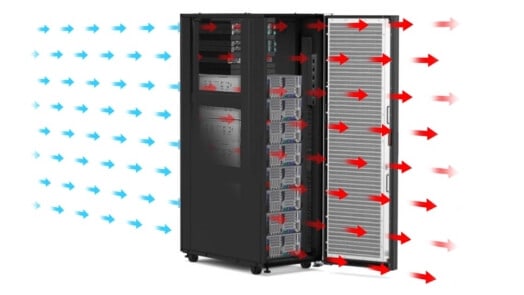
Built for real integration, Lenovo Neptune Liquid Cooling skips chillers in most climates, using water up to 50°C. That dramatically cuts energy costs and system complexity. For components not directly water-cooled, the solution integrates smart add-ons like Thermal Transfer Modules (TTM) and rear-door heat exchangers—taking full advantage of every drop of liquid cooling potential.
This multi-pronged approach puts Lenovo Neptune Liquid Cooling at the front of modern data center cooling solutions, setting the pace for performance-heavy workloads.
Designing Compact, High-Density, Water-Cooled Server Racks
When you shift heat with liquid, your potential server density explodes. You can pack more power into every rack, utilize floor space better, and enable new server layouts that would be too much for air cooling. A liquid cooling data center can use compact server designs, freeing up racks so you can add more data processing muscle.
This advantage is huge for teams facing rack space limits or hoping to delay new construction. There’s potential for fewer aisles, more compute power, and simplified cabling—all thanks to robust, continuous liquid cooling. In such a scenario, your cost per computation drops without adding square footage.
The purpose-built architecture of Lenovo Neptune Liquid Cooling uses carefully routed water loops and maintenance-friendly layouts to keep things accessible and serviceable, even in dense deployments. And density is a big advantage in today’s high-performance data operations, whether you’re scaling up research, supporting enterprise AI, or building a campus supercomputer.
GPU Water Cooling & GPU Cooling System Innovation
GPUs are the engines behind many of today’s data-driven services and technologies, but they throw off enormous heat. For example, standard fans and heatsinks often strain to support AI training workloads, maxing out their thermal specs and using too much power.
Sophisticated GPU cooling solutions have become essential. Instead of letting heat drag down performance, direct liquid cooling whisks away the thermal loads faster—enabling higher sustainable GPU speeds than with typical air cooling. For data scientists, this means faster model training and queries; for IT teams, it means more reliable hardware.
Direct Liquid-Cooled GPU Systems for AI Workloads
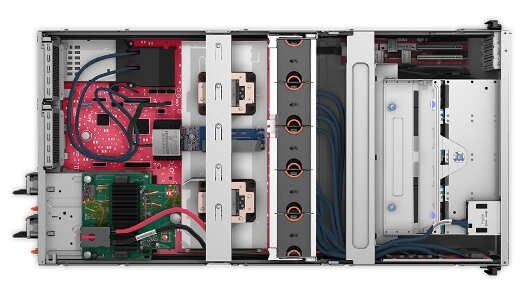
For complex AI and high-performance computing, direct liquid-cooled GPUs deliver the edge. Typically, a custom cold plate sits directly on the GPU and memory modules, with liquid flowing through, absorbing heat right where it’s being produced (that is, at the heart of processing activities). It’s a solution that goes way beyond fans and heatsinks.
Why does advanced liquid cooling matter? It’s because consistent, low temperatures allow GPUs to run at full speed with fewer pauses or slowdowns. And when put into use, it saves precious time for modeling and analytics, and can help hardware last longer, too—with less fear of thermal spikes ruining the chips.
The Lenovo Neptune Liquid Cooling platform is designed for the latest high-powered GPUs, offering tightly integrated systems that factor cooling into every engineering decision, not as an afterthought.
Scalable GPU Cooling Solutions for Rack-Scale Performance
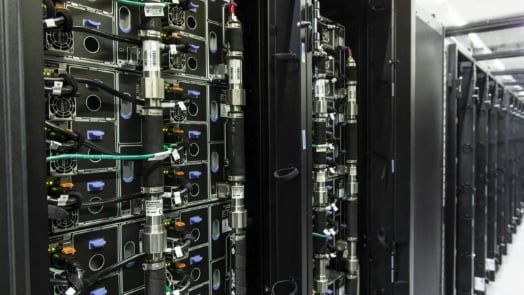
Cooling a lone GPU is tough, but wrangling thermal loads from fleets of them is a much bigger challenge. So scalability isn’t optional, it’s a must-have. Scalable GPU cooling solutions use manifold systems to direct cooling liquid to every server in a rack, ensuring every card is covered and making expansion simpler and more reliable.
Modern data center liquid cooling rack designs fit neatly into existing footprints, distributing the liquid efficiently while keeping cabling and service as straightforward as possible. Whether you’re running ten or a thousand GPUs, scalable cooling solutions deliver easy maintenance, dependable performance, and, often, room to grow.
Rack-scale Lenovo Neptune Liquid Cooling marries direct cooling with innovations like rear-door heat exchangers. The result: reliable, efficient GPU clusters you can scale up or modify with fewer headaches—and far less time worrying about thermal limits for AI and high-performance computing projects.
Data Center Liquid Cooling & Sustainability Gains
Beyond processing speed and power, data center liquid cooling offers real relief for high energy bills and can help achieve corporate environmental sustainability goals. In the mid-2020’s it’s been estimated that data centers already eat up a single-digit percentage of global electricity, with more demand on the way, and a big portion of it is consumed by cooling activities alone. Air-based systems fill facilities with noise and extra wiring, while chillers and CRAHs (computer room air handlers) burn through electricity even on mild days.
Liquid cooling flips the math. Water’s heat capacity means dramatically smaller cooling systems that sip power rather than gulping it. And that ripples through everything—fewer support systems, less demand for power, and, from that, potentially lower carbon emissions.
Up to 40% Reduction in Power Usage vs. Air-Cooled Systems
Want a simple metric? Look at power usage effectiveness, or PUE. Traditional data centers can hit 1.5 or higher—meaning that for every watt of energy provided to the servers, half a watt is lost to cooling, lights, and overhead.
Liquid cooling data center solutions like Lenovo Neptune Liquid Cooling can trim the PUE ratio toward 1.1. By Lenovo’s estimates, that’s up to 40% less power used for cooling—slashing both your utility costs and environmental impact. The keys are pumps that outperform fans and liquid that enables a kind of “free cooling” with ambient air. No huge chillers necessary.
For organizations serious about both cost savings and sustainability goals, shaving even small fractions off the PUE ratio can add up to huge savings at scale.
Lenovo Neptune Liquid Cooling: Full System Direct Water Cooling
The direct-to-node water cooling of Lenovo Neptune Liquid Cooling isn’t just efficient, it’s transformative for your environmental footprint. By trapping up to 98% of a server’s heat in water, Neptune stops that energy from ever entering the data hall. That means smaller HVAC systems, quieter facilities, and significantly less waste heat.
What really sets the Lenovo Neptune solution apart is heat reuse. Instead of dumping warm exhaust, systems can channel the heated water to nearby buildings for climate control, industrial processes, or even municipal heat networks. It’s a rare win-win: “greener” computing plus energy dividends for the wider community.