Thriving in the digitally driven economy is fueled by a strong strategy, exceptional talent, and the right tools to power daily operations. The right applications have become essential engines of growth, enabling teams to work smarter, respond faster, and operate more securely across departments and devices.
Whether it's automating customer support, simplifying financial workflows, or enhancing cross-functional collaboration, these solutions are redefining how organizations function. For startups and growing companies, small business applications provide scalable capabilities without complexity. On the other hand, large enterprises rely on integrated systems designed to meet global demands, known as enterprise business applications.
As technology continues to evolve, so must the tools that support it. This guide explores the categories, benefits, and future direction of business applications, offering insights for businesses ready to innovate, adapt, and lead with confidence.
Understanding Business Applications
Business applications refer to a wide range of software systems designed to execute specific business functions. These applications are purpose-built to handle business-critical operations such as customer engagement, employee task tracking, inventory management, or compliance monitoring.
They range from small business applications built to manage localized workflows to enterprise application solutions engineered for global operations. Whether startups or multinational, every organization relies on these tools for their tailored value. This could range from lightweight business application software for invoicing to a robust enterprise resource planning (ERP) platform managing the entire value chain.
One of the fastest-growing aspects of business application development is the shift to cloud-based delivery. Through software business applications offered in SaaS (Software as a Service) models, organizations can now deploy and update solutions in real-time, with advanced security protocols and minimal overhead.
Key Types of Business Applications
Modern business application solutions fall under several functional categories, each with a specific value for distinct organizational goals.
6 Key types of business applications that can revolutionize business operations:
- 1. Enterprise Resource Planning (ERP)
ERP platforms integrate core business processes such as finance, human resources (HR), procurement, and logistics into one unified system. These enterprise business applications ensure that departments work from the same data source, improving consistency and decision-making.
- 2. Customer Relationship Management (CRM)
A CRM tool enhances how businesses interact with customers by organizing communications, automating follow-ups, and offering insight-driven engagement. Whether used by a sales team or a support desk, CRM is essential in building lasting client relationships.
- 3. Project Management Applications
These tools bring structure to planning, execution, and reporting. They assign tasks, track progress, and manage resources to ensure teams stay aligned and accountable. This makes them an indispensable component of IT solutions for business efficiency.
- 4. Communication and Collaboration Tools
Video conferencing apps, secure texting platforms, and team messaging solutions enable seamless communication, especially for distributed teams. Today’s best business applications come with features like call recording, message archiving, and encryption, which are crucial for data privacy and regulatory compliance.
- 5. E-commerce and Retail Platforms
For businesses in digital sales, robust e-commerce applications power storefronts, manage inventories, and process payments. They also capture valuable analytics to inform growth strategies.
- 6. Finance and Expense Automation
Business application services, such as automated invoicing, budgeting tools, and spending management systems, help companies optimize cash flow. They also eliminate redundant manual tasks, improving overall efficiency.
These types are not mutually exclusive. Many platforms integrate multiple functions, offering comprehensive business application solutions on a single interface.
The Strategic Benefits of Software Business Applications
Adopting the right application for business use can yield transformational benefits.
Top 4 benefits of software business applications:
- Operational Efficiency: Automate repetitive tasks, reduce errors, and free up your team to focus on innovation and customer value.
- Security and Compliance: From GDPR to HIPAA, built-in security features help businesses meet regulatory standards effortlessly.
- Speed to Market: With agile business application development platforms, companies can roll out new services 40% faster.
- Mobility and Accessibility: Employees can work securely from any device or location, driving productivity and resilience.
Importantly, as organizations expand globally, leveraging enterprise application solutions becomes a necessity for unifying processes and staying competitive.
Emerging Trends: The Future of Business Application Development
As the digital landscape evolves, so do business applications. Several forward-looking trends are shaping the future of how these tools are designed and used.
Top 4 trends in business application development shaping the future:
1. AI-Powered Insights
AI integration enables predictive analytics, smart automation, and real-time decision support, giving companies a significant edge in agility and personalization.
2. Low-Code and No-Code Platforms
These tools democratize development, allowing non-technical users to create and customize apps quickly, dramatically reducing time-to-value.
3. Blockchain Solutions for Business
As data privacy and trust become critical, blockchain-backed business applications offer immutable transaction records and secure data exchanges, especially in finance and supply chains.
4. Mobile-First and BYOD-Ready Tools
With more than half of conversions happening on mobile devices, responsive interfaces and mobile-first design are now standard expectations in business application software.
These innovations not only redefine what's possible but also lower barriers for small business solutions to compete with larger players
Choosing the Right Business Applications for Sustainable Growth
Selecting the right business tools can determine whether your organization scales smoothly or struggles with inefficiencies. With thousands of solutions in the market, finding the best fit goes beyond features. It requires alignment with your business model, industry standards, and long-term growth plans. The right choice empowers you to streamline operations, enhance security, and stay ahead in an increasingly competitive digital landscape.
4 Key factors to consider when choosing business applications:
1. Match Features with Business Strategy
Every organization has unique goals. Your choice of software business applications should be driven by clear objectives. Whether it’s improving internal communication, automating accounting, or optimizing the customer journey, clarity is key. The more closely the app supports your operations, the more return you’ll see on your investment.
2. Assess Infrastructure and Integration
Look for IT solutions for businesses that can integrate with your existing systems and scale as you grow. Cloud-based platforms offer flexibility, while open APIs and mobile readiness ensure seamless connectivity across departments and devices.
3. Strengthen Security and Trust
For industries handling sensitive data, consider platforms that leverage blockchain solutions to provide secure, tamper-proof records. Encryption, user permissions, and compliance features should be integrated seamlessly from the start.
4. Choose Industry-Aligned Tools
Selecting sector-specific tools like SAP solutions can accelerate implementation and reduce customization costs. These applications offer built-in best practices tailored to your industry, helping you adapt faster and operate smarter.
Why Lenovo is Your Strategic Partner in Business Applications
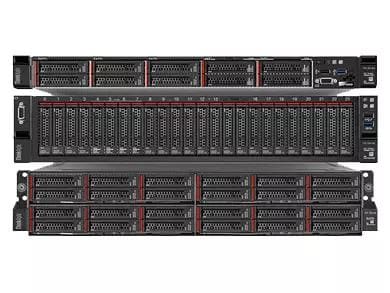
Lenovo is more than a hardware leader; it’s a global provider of IT solutions for business transformation. Whether you're a startup looking for small business solutions or an enterprise scaling operations across borders, Lenovo offers infrastructure and services designed to support your journey.
Our edge-to-cloud offerings, secure computing platforms, and managed business application services provide an ideal foundation for deploying and maintaining reliable business applications. From SAP solutions integration to blockchain solutions support, Lenovo’s ecosystem is designed for performance, scalability, and security.
Lenovo also partners with leading software vendors to provide pre-validated, turnkey business application solutions, saving you time and minimizing risk. Whether you're modernizing legacy apps or investing in new platforms, our expert teams can tailor enterprise application solutions to your unique business objectives.
Unlock Smarter Business Operations with Lenovo Business Application Solutions
In a world where agility, compliance, and customer engagement are critical to success, business applications are no longer optional; they’re essential. Whether it's streamlining your project's workflows, enhancing customer communications, or enabling secure mobile workforces, these tools offer measurable gains in efficiency and performance.
As we look ahead to a future defined by AI, mobile-first experiences, and decentralized solutions, the time to act is now. Lenovo delivers scalable software business applications, infrastructure optimized for SAP solutions, and secure platforms that support compliance and business continuity. From startups to global enterprises, Lenovo provides future-ready IT solutions for businesses designed to evolve with your business goals.
Explore Lenovo’s AI-enabled business application solutions and take the next step toward smarter, faster operations.