Data does not always begin in a data centre. It may be created on a factory floor, in a retail location, at a branch office, or across a remote site. As more applications and devices operate across distributed environments, organizations need computing resources that can process data closer to where it is generated while remaining connected to centralized infrastructure.
That is where an Edge-to-Cloud approach fits. It brings edge computing, cloud computing, networking, software, automation, and security into a connected infrastructure model. Workloads can run where they make the most sense while IT teams maintain visibility across edge locations, data centres, and cloud environments.
Lenovo supports this connected approach with infrastructure, automation, management, security, and AI capabilities for distributed computing. Together, these capabilities can help organizations deploy and manage workloads across edge, data centre, and cloud environments.
Let’s explore how Lenovo supports the Edge-to-Cloud journey and how these technologies work together across distributed environments.
What Is Edge-to-Cloud Architecture?
Edge-to-Cloud architecture distributes applications, workloads, and data across edge locations, data centres, and cloud resources according to workload and operational requirements.
Edge computing processes data closer to where it is generated, supporting applications that benefit from local processing. Cloud computing provides centralized resources for functions such as application hosting, storage, analytics, and infrastructure management.
Used together, edge and cloud resources allow organizations to place workloads according to application, data, and operational requirements. Selected information can also move between environments for analytics, storage, reporting, or management.
Key takeaway: An Edge-to-Cloud architecture connects edge computing, data centre resources, and cloud computing so workloads can run where they are most appropriate. Edge resources support local processing, while centralized environments can support management, storage, analytics, and other workloads.
Core Components of an Edge-to-Cloud Environment
An Edge-to-Cloud environment depends on more than compute resources alone. Edge infrastructure, networking, software, automation, and security work together to support distributed workloads while connecting edge locations with data centre and cloud resources. The table below summarizes the role of each component in the overall environment.
Table 1: Core Components and Roles in an Edge-to-Cloud Environment
| Component | Role in an Edge-to-Cloud Environment |
|---|
| Edge infrastructure | Provides compute, storage, and supporting resources close to data sources. |
| Edge network | Connects edge devices and systems with data centre and cloud resources. |
| Edge software | Supports application deployment, monitoring, orchestration, and lifecycle management. |
| Cloud automation | Helps automate provisioning, configuration, policy management, and operational workflows. |
| Edge security | Helps protect distributed infrastructure, applications, access, and data. |
In brief: A connected edge environment brings together edge infrastructure, an edge network, edge software, cloud automation, edge automation, and edge security. These components work together to support distributed workloads while maintaining connectivity, management, and operational visibility.
How Lenovo Supports Edge-to-Cloud Infrastructure
Lenovo brings together infrastructure, software, automation, management, and AI capabilities to support distributed computing from the edge through the data centre and cloud.
ThinkEdge for Distributed Computing
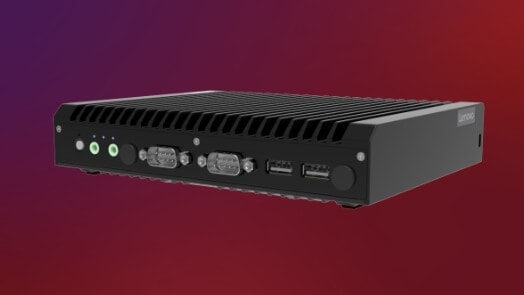
Lenovo ThinkEdge systems are designed for computing outside traditional data centres. Depending on the system and configuration, they can support local data processing, edge AI, workload consolidation, remote environments, and cloud-connected operations.
ThinkEdge can operate within a broader Edge-to-Cloud architecture, connecting local workloads with centralized infrastructure and management resources.
Automating Distributed Infrastructure
Managing many distributed locations can add operational complexity. Cloud automation and edge automation can help standardize infrastructure deployment and management across those environments.
Lenovo Open Cloud Automation (LOC-A) supports automated infrastructure deployment, provisioning, and lifecycle workflows across supported edge and data centre environments. This can help create more repeatable deployment and management processes as edge environments scale.
Centralized Management with Lenovo XClarity
Distributed infrastructure also requires centralized visibility.
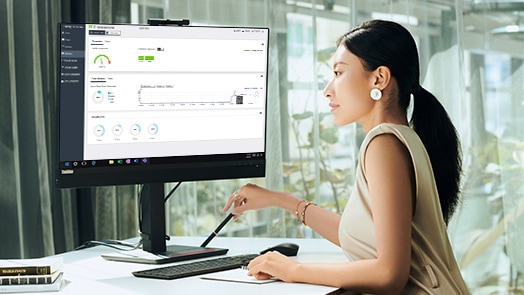
Lenovo XClarity management tools support monitoring, administration, and lifecycle management across supported Lenovo edge and data centre infrastructure. Centralized management can help IT teams operate multiple locations without treating each edge site as a separate environment.
Together, Lenovo ThinkEdge, Open Cloud Automation, and XClarity support connected, automated, and centrally managed Edge-to-Cloud infrastructure.
Supporting Edge AI Closer to Data Sources
Edge AI brings artificial intelligence processing closer to where data is generated.
Organizations can run selected AI workloads locally when applications benefit from nearby processing. Common scenarios can include computer vision, video analytics, industrial automation, AI inference, predictive maintenance, and operational monitoring.
Lenovo ThinkEdge and AI-ready infrastructure can support these workloads, while centralized resources can provide complementary management, analytics, storage, and reporting.
Edge AI in context: Edge AI enables selected AI processing near data sources while remaining connected to broader data centre and cloud resources.
Connecting Edge Networks, Software, and Security
An edge network connects devices, edge systems, data centres, and cloud resources across distributed environments. Network planning can include bandwidth, latency, availability, connectivity, and how data moves between edge and centralized systems.
Edge software helps IT teams deploy applications, monitor systems, coordinate workloads, and manage software across locations. Combined with automation and centralized management, it can support more consistent deployment and lifecycle processes.
Edge security helps protect distributed infrastructure, applications, devices, access, and data. Security planning can include access controls, monitoring, device protection, data protection, software lifecycle management, and governance requirements.
Where Edge-to-Cloud Computing Can Be Used
Edge-to-Cloud architectures can support environments where applications, devices, and data are distributed across multiple locations.
Examples of Edge-to-Cloud Computing include:
- Manufacturing: Local processing for operational, sensor, computer vision, or automation workloads.
- Retail: Distributed applications and data processing across store environments.
- Telecommunications: Computing and network workloads closer to users and network endpoints.
- Remote and branch locations: Local applications connected to centralized management and cloud services.
- AI and analytics: Edge AI processing supported by centralized analytics, storage, and management resources.
The appropriate architecture depends on application, data, connectivity, infrastructure, security, and operational requirements.
What to Consider When Planning an Edge-to-Cloud Environment
Edge-to-Cloud planning starts with deciding where workloads and data should operate across edge, data centre, and cloud environments.
Key considerations when planning an Edge-to-Cloud environment include:
- Processing requirements: Identify which workloads benefit from local processing and which can use centralized resources.
- Connectivity: Consider bandwidth, latency, availability, and how data moves between locations.
- Data management: Determine where data should be processed, stored, synchronized, and accessed.
- Security and governance: Account for access controls, data protection, monitoring, and governance requirements.
- Deployment and lifecycle management: Plan how distributed infrastructure will be deployed, monitored, updated, and managed over time.
Together, these factors help determine which workloads are better suited to the edge and which can run in data centre or cloud environments.
Build a Connected Edge-to-Cloud Environment with Lenovo
Edge-to-Cloud computing brings local processing, centralized resources, connectivity, management, automation, and security into a coordinated infrastructure model.
Lenovo supports distributed environments through ThinkEdge systems, edge AI infrastructure, Lenovo Open Cloud Automation, Lenovo XClarity management tools, and supporting services.
By connecting edge computing with cloud computing, organizations can place workloads according to application and data requirements while maintaining broader infrastructure visibility and management.
Explore Lenovo Edge-to-Cloud solutions to learn how Lenovo infrastructure, software, automation, and services can support distributed computing requirements.