
What is Java?
Java is an object-oriented programming language designed specifically to allow developers a platform of continuity. Java differs from other programming paradigms—such as functional and logical programming—because developers can continue or update something they have already finished, as opposed to starting from scratch. The objects keep the code neatly organized and easy to modify when necessary.
For instance, a car dealership has several automobiles on its lot. Each of the cars is an object, but each has different characteristics called classes, which are the different models, engines, paint color and so on. A customer selects a red pickup truck, but wants to add a better stereo system. The new pickup inherits all the characteristics from the object "pickup truck", and the programmer is simply tasked to modify the "stereo" class as opposed to building an entirely new vehicle. This is what makes Java an ideal platform for cell phones, website forums, gaming consoles and anything else that requires constant updates and modifications.
Programs created with Java are portable because they are assembled in bytecode. It can be executed on any server that has Java Virtual Machine (JVM) installed. Unlike C++, objects created with Java do not have to reference external data. This means a Java application will continue running even if your operating system or some other external program crash.
Do not confuse Java with Javascript. The latter is an interpreted language like Microsoft’s Visual Basic. It is mostly used for shorter programs, like those that cause pop-up windows to appear in a web browser. JavaScript lacks the portability Java has, and is often used as part of HTML coding.
Java is the second-most utilized programming language in the world, just behind C and ahead of C++ and Objective C. It is free to download and update. It requires Windows XP or later, Mac OS X 10.7.3 or later, and works with most Linux-based systems.
Do I need Java on my computer?
Sun Microsystems created Java in 1995 as a universal platform that could run the same application on any machine regardless of its operating system. Java is currently installed on 3 billion devices worldwide. To run Java, you would download and install the Java Runtime Environment (JRE) on your computer . JRE contains the Java Virtual Machine (JVM) and all the classes or blueprints to create objects. Java is especially useful for programmers, but is also essential for end-users who run applications with Java applets.
The Department of Homeland Security recommended everyone disable Java in January 2013 because Oracle, the company that purchased Sun Microsystems in 2009, failed to adequately address a major security issue. Russian anti-virus company Kaspersky Lab, said that half of all cyber attacks in 2012 were directly caused by Java. Most major websites, including Facebook and Twitter, use JavaScript and HTML 5 instead of Java to avoid the security risks.
Java was once considered the future of the Internet and was absolutely necessary to run just about everything after it was released. Now, most cybersecurity experts recommend uninstalling Java if you have it on your computer. If it is essential that you use Java, dedicate one browser for surfing with Java and use another one for all other Web activities.
Is Java free?
Sun Microsystems made most of Java’s core code available to the public as free and open source software (FOSS) in 2007, pursuant to the terms of the GNU General Public License. Today, Oracle states that the Java Development Kit (JDK) is free to download, but not to re-distribute without a license.
The issue was, however, recently complicated in the courts. Federal litigation between Google and Oracle in 2012 led to Oracle CEO Larry Ellison being asked the question in open court: "Is Java free?" When the judge pushed him to answer with a yes or no, Ellison reportedly grew visibly uncomfortable before answering, “I don’t know". Oracle accused Google of copyright infringement by using Java code in its Android operating system without paying for the proper licenses (to the tune of $6.1 billion). Google contended that the code it used is public domain, so the company is not required to pay licensing fees. Google was ultimately cleared of most of the claims, but the case is currently being appealed.
The simple answer to this question for everyday computer users is yes, Java is free. Programmers and other who profit from Java may be required to pay licensing fees.
Where is the official download for Java?
Java Runtime Environment (JRE, for everyday users) should be downloaded directly from the Oracle website. The download page provides installation instructions, licensing information and notes pertaining to the latest software release. Information is also available that will help you determine which Java package you need. Several other resources are available for download at the Oracle website as well, including the Java Time Zone Updater and Java Access Bridge. Java.com is also powered by Oracle and is an equally reliable place to download JRE. This is the only option that guarantees you get Java without any potential malware attached to it.
Java Development Kit (JDK, for programmers) source code can be downloaded from the Oracle website for Windows users. Ubuntu users can obtain the code simply by searching "openjdk" and installing it. Mac OS X users can download the Java for OS X Developer Package from Apple developer website.
Several third-parties do offer Java downloads, but exercise caution when using them. Download.com is one of the most reliable sites and generally gets positive reviews from users. Do not trust any other websites claiming to offer a free Java download, as you could inadvertently open your system to malware and trojans.
Why should I keep Java up to date? Will my computer be safe?
Java 7 and all subsequent versions of the application will always notify users when updates are necessary and when any potential security risks are imminent. It is recommended you install the updates and patches needed when prompted to do so, but only through legitimate sources. Malware developers have created several false updates that look authentic. One in particular is called "Java Update 11" for Windows. The file will appear as "javaupdate11.jar". Once installed, it creates a backdoor way for hackers to compromise your system. Keeping Java up to date is important for security and performance reasons, but it is equally important to make certain you are downloading legitimate files. Only download updates that come directly from the Java homepage or from the control panel installed on your computer. If you get an update notification that prompts you to download it, close the notification. Then go to either the Oracle or Java homepage and check for potential updates there. Java Auto Update automatically checks for necessary updates and patches.
You can set it to scan for updates as often as you like or you can manually check at any time. Oracle recommends you keep Java Auto Update enabled. The default setting will notify users once per month of any needed updates.
Acheter des produits associés
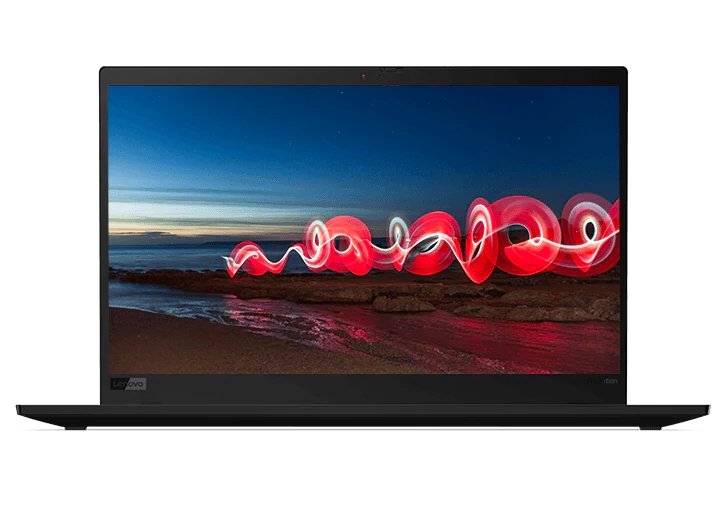
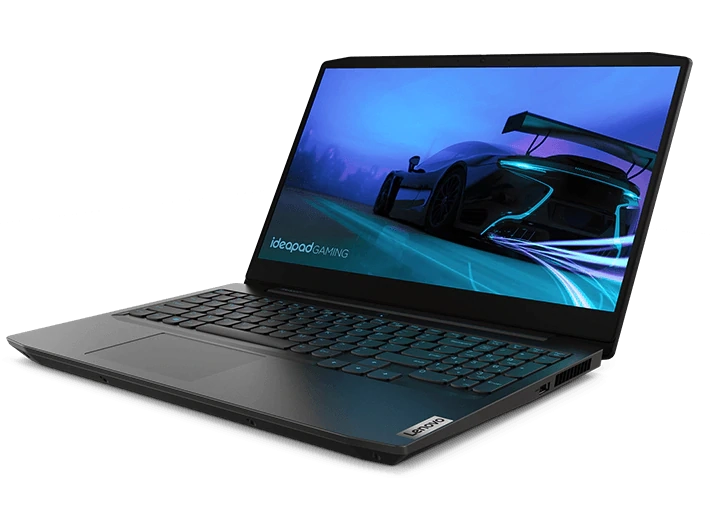
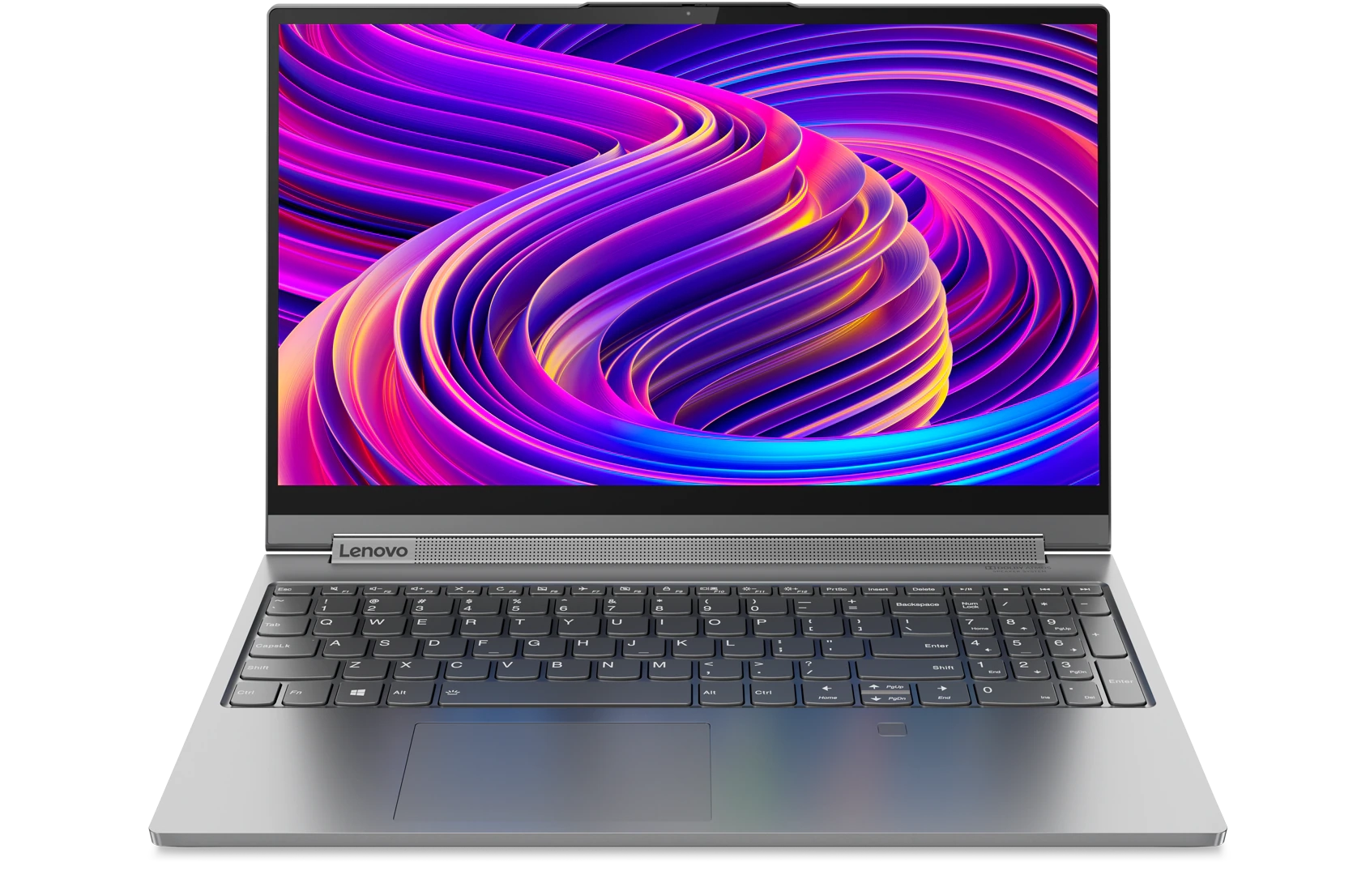
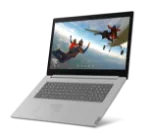
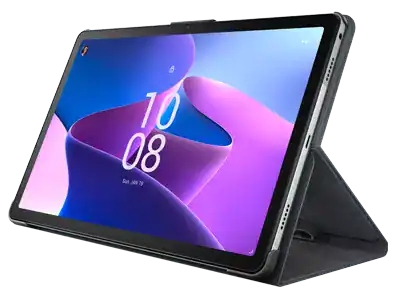
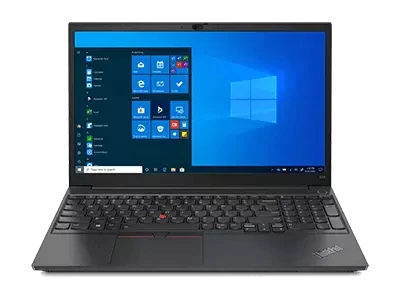
Limites : commandes limitées à cinq ordinateurs par client. Pour des quantités supérieures, visitez la section “Où acheter” du site Web pour des informations détaillées sur les revendeurs et distributeurs des produits Lenovo.
Offres et disponibilité : toutes les offres sont dans la limite des stocks disponibles. Les offres, tarifs, spécifications et disponibilités sont susceptibles de modification sans préavis. Les offres de produits et les caractéristiques présentées sur ce site Web peuvent être modifiées à tout moment et sans préavis. Les modèles présentés le sont uniquement à titre d'illustration. Lenovo ne peut être tenu responsable des erreurs photographiques ou typographiques. Les PC illustrés ici sont livrés avec un système d'exploitation.
Prix : les prix Web indiqués sont TTC. Les prix et les offres apparaissant dans le panier sont susceptibles d'être modifiés jusqu'au moment où la commande est passée. * La tarification et les économies portent sur les prix Lenovo normalement constatés sur le Web. Les prix pratiqués par les revendeurs peuvent différer et être supérieurs aux prix présentés ici.
Les prix sont indiqués en euros et incluent la TVA
**Batterie : ces systèmes ne prennent pas en charge les batteries qui ne sont pas authentiques, fabriquées ou agréées par Lenovo. Ces systèmes démarreront, mais peuvent ne pas charger ces batteries non agréées. Lenovo ne saurait être tenu pour responsable du bon fonctionnement et de la sécurité de batteries non agréées et n'assume aucune garantie en cas de panne ou de dommage résultant de leur utilisation. * L'autonomie de la batterie est basée sur la méthodologie MobileMark® 2014 et constitue une estimation haute. L'autonomie réelle de la batterie varie en fonction de nombreux facteurs, dont la luminosité de l'écran, les applications actives, les fonctionnalités, les paramètres de gestion de l'alimentation, l'âge et le conditionnement de la batterie, et d’autres choix de configuration de l'utilisateur.
Généralités :consultez les informations essentielles fournies par Microsoft® qui peuvent s'appliquer au système acheté, notamment concernant Windows 10, Windows 8, Windows 7 et les éventuelles mises à niveau ascendantes/descendantes. Lenovo n'offre aucune garantie, ni ne peut être tenu responsable des produits ou des services issus de tiers.
Marques : Lenovo, ThinkPad, IdeaPad, ThinkCentre, ThinkStation et le logo Lenovo sont des marques commerciales de Lenovo. Microsoft, Windows, Windows NT et le logo Windows sont des marques commerciales de Microsoft Corporation. Ultrabook, Celeron, Celeron Inside, Core Inside, Intel, le logo Intel, Intel Atom, Intel Atom Inside, Intel Core, Intel Inside, le logo Intel Inside, Intel vPro, Itanium, Itanium Inside, Pentium, Pentium Inside, vPro Inside, Xeon, Xeon Phi, Xeon Inside et Intel Optane sont des marques commerciales d'Intel Corporation ou de ses filiales aux États-Unis et/ou dans d'autres pays. © 2023 Advanced Micro Devices, Inc. Tous droits réservés. AMD, le logo AMD avec la flèche, Athlon, EPYC, FreeSync, Ryzen, Radeon, Threadripper, et leurs combinaisons sont des marques commerciales d’Advanced Micro Devices, Inc. D'autres noms de société, de produit ou de service peuvent être des marques déposées par leurs sociétés respectives.
