When you think about the vast volumes of data generated every second worldwide, one question stands out: where does it all go? From the apps on your smartphone to complex industries leveraging analytics, storage is the foundation supporting it all. Behind every incredible innovation or seamless digital experience lies an intricate network powered by the right data storage devices and expertly configured infrastructures.
For businesses stepping into the digital age, priorities are shifting towards scalable, fast, and resilient enterprise storage systems . Whether you're a startup managing growth or a corporation optimizing multiple enterprise data centers, the key to staying competitive is choosing the right enterprise storage solution.
This guide dives deeper into the world of modern storage systems, highlights market-leading strategies, and explores what makes Lenovo the ideal choice for your evolving storage needs. Stay tuned, because managing data has never been this critical, and optimizing it has never been this simple.
What is storage and why does it matter?
At its simplest, storage refers to how data is saved and retrieved on a device or a network. But these days, storage has evolved far beyond simple hard drives or USB sticks. Businesses today are dealing with petabytes of information, from customer records to analytics datasets, which demand specialized data storage devices to manage data efficiently.
The stakes are high. A poorly managed enterprise data center can slow down operations, increase risks of downtime, and balloon costs. Modern enterprise storage systems tackle these challenges by providing high-speed, scalable, and reliable storage infrastructure.
But why is this important? Because competitive businesses run on data. Healthcare relies on it for patient records. Retail uses it for personalized customer experiences. Manufacturing depends on it for supply chain optimization. Without superior data storage devices, these industries face data silos and operational inefficiencies.
Lenovo understands that businesses are as diverse as the data they handle. Whether you’re a growing small business searching for reliability or a large corporation managing multiple enterprise data centers, our solutions are designed to offer flexibility, resilience, and scalability. By anticipating tomorrow’s needs, our enterprise storage solutions ensure that you’re always one step ahead.
Types of data storage devices explained
When it comes to choosing the right storage solutions, businesses often start by understanding their needs in terms of capacity, speed, and accessibility.
What are the main types of data storage devices available in the market?
- Hard disk drives (HDDs): HDDs are reliable and cost-effective, commonly used for long-term data retention. They remain an excellent choice for businesses that prioritize affordability over speed.
- Solid state drives (SSDs): Known for their speed and durability, SSDs are ideal for use cases requiring fast access to data, such as high-performance computing environments. These drives integrate seamlessly into high-performance storage solutions, offering unmatched efficiency.
- Hybrid drives: Combining the best of both worlds, hybrid drives offer a balance of speed and capacity. They are great for businesses looking for performance without breaking the bank.
- Cloud storage devices: Cloud-based storage brings unmatched scalability and accessibility. It is particularly effective for businesses with dispersed teams or fluctuating storage demands. Cloud-compatible enterprise storage solutions make hybrid models effortless to manage.
These devices form the building blocks of any effective storage system. Companies must carefully assess their requirements to build a solution that meets both current and future demands.
The role of enterprise storage in business operations
Enterprise storage is the backbone of modern businesses, ensuring seamless data management, security, and collaboration. It boosts efficiency, mitigates risks, and fosters teamwork, making it indispensable for operational success.
Why is enterprise storage critical for your business?
- Boosting performance and productivity
At the core of every agile business lies an enterprise storage infrastructure optimized for speed and efficiency. But what sets enterprise systems apart from standard storage solutions? It’s their ability to handle vast amounts of data traffic without missing a beat. Enterprise storage systems are designed to be highly scalable, ensuring fast and accurate data retrieval even under demanding circumstances.
- Mitigating risks and ensuring data security
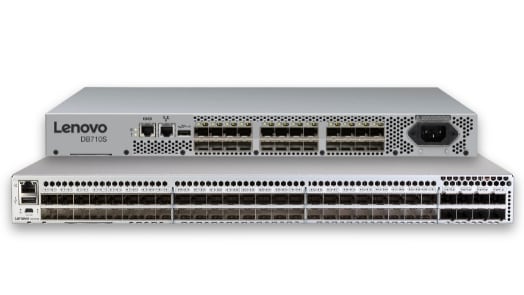
With data breaches and cyber threats on the rise, having a secure enterprise storage solution is vital. Enterprise-grade storage infrastructures, such as servers, network-attached storage (NAS), and storage area networks (SAN), now come equipped with features like advanced encryption, redundancy protocols, and proactive monitoring. This way, your data stays accessible only to authorized stakeholders, protecting both operational integrity and customer trust.
- Enabling cross-team collaboration
Data silos can be a roadblock to collaboration, slowing processes, and increasing redundancies. By consolidating data streams into unified enterprise storage platforms, teams can share resources without compromising efficiency or security.
Enterprise data centers and their significance
An enterprise data center serves as the nerve center for all digital infrastructure. While it may seem like just another IT term, its role in maintaining business continuity cannot be stressed enough.
3 key reasons why enterprise data centers matter:
- The backbone of digital transformation
Modern enterprise data centers aren’t just spaces that house servers. They’re innovation hubs enabling automation, ai-driven analytics, and real-time decision-making. Equipped with cutting-edge technologies, these centers are built to support everything from cloud computing to the Internet of Things (IoT), ensuring businesses remain agile, secure, and forward-thinking.
- Optimizing power and space efficiency
Expanding data needs no longer mean adding more hardware. Thanks to innovations in virtualization and energy-efficient designs, modern enterprise data centers achieve more with less. With compact designs and superior computing power, these solutions minimize the physical footprint while maximizing operational output, enabling businesses to grow sustainably and efficiently.
- Preparing for disaster recovery
No one wants to think about catastrophic failures. But the fact is, having a robust disaster recovery framework can be the difference between bouncing back quickly or facing long-term disruptions. Modern enterprise storage solutions are equipped with backup and replication features, ensuring your data isn’t just stored but also protected.
5 Key benefits of Lenovo’s data storage devices
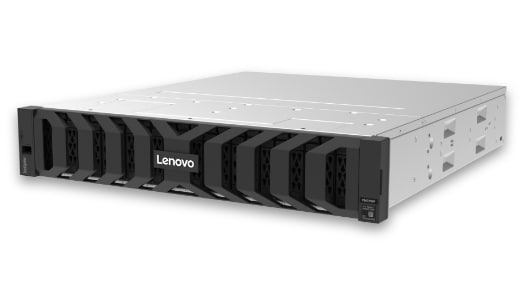
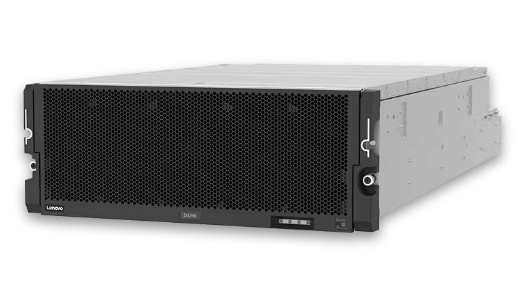
Lenovo’s storage devices are designed to do more than just store data; they enhance operations, protect vital information, and drive innovation. When it comes to enterprise storage solutions, our products offers adaptable, secure, and efficient solutions.
5 Ways Lenovo’s data storage devices are built for an enterprise data center:
- Scalable solutions built for growth: Lenovo’s data storage devices excel at supporting businesses of all sizes. Whether scaling operations to manage increasing workloads or improving your existing enterprise storage infrastructure, our solutions grow alongside your business.
- Seamless integration for effortless compatibility: Simplify transitions with storage systems that integrate seamlessly into your current enterprise data center. Our solutions ensure smooth operations across hardware, software, and cloud platforms, helping you maintain optimum performance with minimal disruption.
- Advanced security for maximum data protection: Protect your enterprise’s critical information with Lenovo’s data storage devices, equipped with advanced encryption, ai-driven threat detection, and robust multi-factor authentication. Rest assured that your enterprise storage solution is secure.
- Cost-efficient designs without compromise: Lenovo combines cutting-edge performance with energy-efficient technology, delivering cost-effective options for your enterprise data center. Maximize your ROI without sacrificing reliability or speed.
- Future-ready for technological evolution: Invest in a storage solution that’s prepared for tomorrow. Lenovo’s enterprise storage solutions are built to support emerging technologies like AI, machine learning, and edge computing , positioning your business for long-term success.
Lenovo’s data storage devices bring scalability, security, integration, and innovation to your enterprise data center. Elevate your operations with a trusted partner offering versatile and forward-thinking enterprise storage solutions designed for success.
How to choose the right storage solution for your business
Selecting the right storage solution is one of the most important decisions for any business. Whether you handle massive datasets or require secure access on demand, having a storage system that fits your needs is essential for maintaining efficiency and safeguarding data.
- Assess your needs: Start by identifying how your business uses data. Do you need high-speed access? Or is long-term storage the goal? This helps narrow down the most critical features you require.
- Plan for growth: Always choose systems that can grow with your business. Scalable enterprise storage offerings eliminate the need for frequent and costly upgrades, providing the flexibility to expand as your needs evolve.
- Focus on security and compliance: Depending on your industry, you may have specific regulations to comply with. Modern storage solutions ensure your systems meet these requirements, protecting both data integrity and your organization's reputation.
- Compare costs holistically: It’s not just about the sticker price; consider power usage, maintenance, and scalability. Customizable storage systems deliver excellent value, tailoring solutions to meet the needs of businesses of all sizes.
Power your business with Lenovo’s smarter storage solutions
Storage isn’t just about where you keep your data. It’s about how quickly you can access it, how safely it can be maintained, and how effectively it can drive innovation for your business. By choosing the right data storage devices, implementing scalable enterprise storage systems, and optimizing your enterprise data centers, your organization isn’t just managing data; it’s maximizing its potential.
With extensive expertise and a focus on customer needs, Lenovo stands out by delivering solutions that balance performance, security, and adaptability. These offerings aren’t just designed to meet the demands of today but are built with tomorrow’s challenges in mind, providing organizations with the tools they need to stay ahead in an evolving landscape.
Take the next step. Explore Lenovo’s comprehensive range of enterprise storage solutions and power your business into the future.