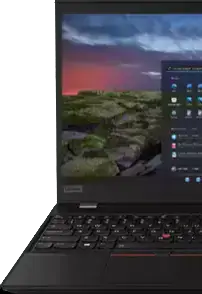
What is VR ready desktops?
VR-ready desktops are computers designed specifically for smooth virtual reality use. They come equipped with powerful GPUs, fast CPUs, ample RAM, and efficient cooling systems. Together, these components handle intensive VR environments without latency, frame drops, or other visual glitches, ensuring you get a seamless and immersive virtual experience every time you put on your headset.
What makes a desktop VR ready?
A VR-ready desktop needs a high-performance GPU, powerful CPU, and at least 16GB of RAM for smooth operation. Storage also matters, as SSDs drastically cut down VR game loading times. Combine that with HDMI or DisplayPort for headset compatibility and excellent cooling systems to maintain consistent performance, and you’ve got the perfect setup for VR.
Does a VR ready desktop need special hardware?
It does! These machines rely on components like NVIDIA RTX or AMD GPUs for graphics. A VR-capable CPU, such as Intel i7 or Ryzen 7, processes everything seamlessly. Add SSDs for speedy loading, a powerful power supply, and cooling solutions. HDMI and USB 3.0 ports are also vital for connecting VR headsets and peripherals.
Can I upgrade my current desktop for VR?
Chances are you can! Start with your GPU—upgrading to an RTX or Radeon series often does the trick. Adding more RAM (16GB minimum) or switching to SSDs also gives your desktop a VR boost. Double-check that your power supply and cooling can handle the upgrades, and ensure your CPU isn’t limiting your system’s performance.
What type of GPUs supports VR?
GPUs designed for VR include NVIDIA’s RTX series and AMD’s Radeon RX lines. These GPUs excel in rendering high-quality visuals and maintaining high frame rates to meet VR headset demands. NVENC codecs and ray-tracing capabilities also enhance graphical performance, delivering stunning environments without lagging frame rates or visual tearing during play or developmental tasks.
Would a powerful CPU improve VR performance?
Definitely. A strong CPU reduces processing bottlenecks often seen in virtual simulations. It handles real-time physics, VR-specific AI, and environmental calculations that make VR feel realistic. Paired with a good GPU, it ensures VR experiences are smooth and immersive, especially for simulation apps and complex games where performance balance is critical.
How much RAM is essential for VR?
You’ll need at least 16GB of RAM for stable VR. While systems with 8GB may run basic applications, more RAM supports multitasking, faster frame rendering, and prevents stuttering or crashes in resource-heavy games. RAM-intensive tasks like programs running concurrently also benefit significantly, giving your system the bandwidth it needs to stay smooth.
Does storage type matter for VR desktops?
Absolutely. SSDs vastly enhance the VR experience by speeding up loading times. They offer faster access to data, compared to traditional HDDs, which can make transitioning between different VR environments seamless. For best results, store your gaming files and VR applications on SSDs and use HDDs for long-term, non-critical data storage.
Can a VR ready desktop connect to all VR headsets?
For the most part, yes. Most modern desktops have USB 3.0, HDMI, and DisplayPort connectors compatible with popular VR systems like HTC Vive, Meta Quest, and Valve Index. Some older systems might need upgrades, but current VR-ready desktops effortlessly meet the connectivity demands of the latest VR headsets.
What resolution impacts VR performance most?
Resolution plays a significant role in creating sharp, immersive VR visuals. VR-ready desktops excel in handling resolutions required for detailed virtual spaces. For example, 2160x1200 resolutions in headsets demand strong GPUs, as they must render higher pixel counts efficiently while maintaining a high frame rate for smooth transitions and interactions.
Does cooling matter for VR desktops?
Definitely! VR workloads push your PC’s GPU and CPU to their limits, generating heat. An overheated system throttles performance, causing lag. To avoid this, use desktops with proper airflow, efficient fans, or even liquid cooling. Keeping things cool ensures your setup performs at its peak for extended VR use.
Can developers benefit from VR ready desktops?
Of course. Developing VR apps demands immense computing resources, and these desktops are up to the task. From rendering intricate 3D spaces to running simulation tools, a VR-ready machine smooths out coding and testing processes. It minimizes performance interruptions, so you can focus on refining your app’s design and functionality.
Could using an external GPU make my system VR ready?
Yes, an external GPU paired with laptops or underpowered desktops can significantly boost your system for VR. Connect it via Thunderbolt 3 for a secure link. With this setup, you can run a compatible GPU externally, eliminating the need for a complete desktop overhaul. However, your CPU will still need to keep up.
What role do USB ports play in VR functionality?
USB ports handle crucial headset and controller connections. USB 3.0 or better is preferred since it transfers data quicker, reducing latency. Without sturdy ports, VR gear may suffer from delayed actions or glitches, negatively affecting the overall immersive experience. Modern desktops include sufficient connectivity to support VR peripherals seamlessly.
Are wired or wireless VR headsets better for desktops?
It depends. Wired VR headsets tend to offer more stable performance and better visual clarity as they connect directly to your desktop. However, wireless systems, while dependent on strong Wi-Fi, allow greater movement freedom during gameplay or production work, creating a less restrictive environment, particularly in expansive VR spaces.
How important is frame rate in VR gaming?
Frame rate is critical to a smooth VR experience. Anything under the 90fps mark can lead to stuttering visuals or motion sickness. A VR-ready desktop ensures high frame rates, syncing effortlessly with VR headsets to prevent disjointed movements and making gameplay or simulation work much more immersive.
Can programming benefit from a VR ready desktop?
Absolutely, especially for professionals working in 3D design, game development, or VR environments. These desktops handle resource-heavy applications like Unity or Unreal Engine, ensuring smooth rendering and real-time troubleshooting. It eliminates unnecessary downtime, allowing you to focus on code refinement or functional testing without slowdowns.
Do display refresh rates affect VR desktop performance?
Yes, they do. High refresh rates enhance the interaction between your desktop’s hardware and the visuals displayed on your VR headset. A desktop optimized for graphics will better handle 120Hz or higher refresh rates for seamless screen transitions, reducing disorientation in VR environments.