
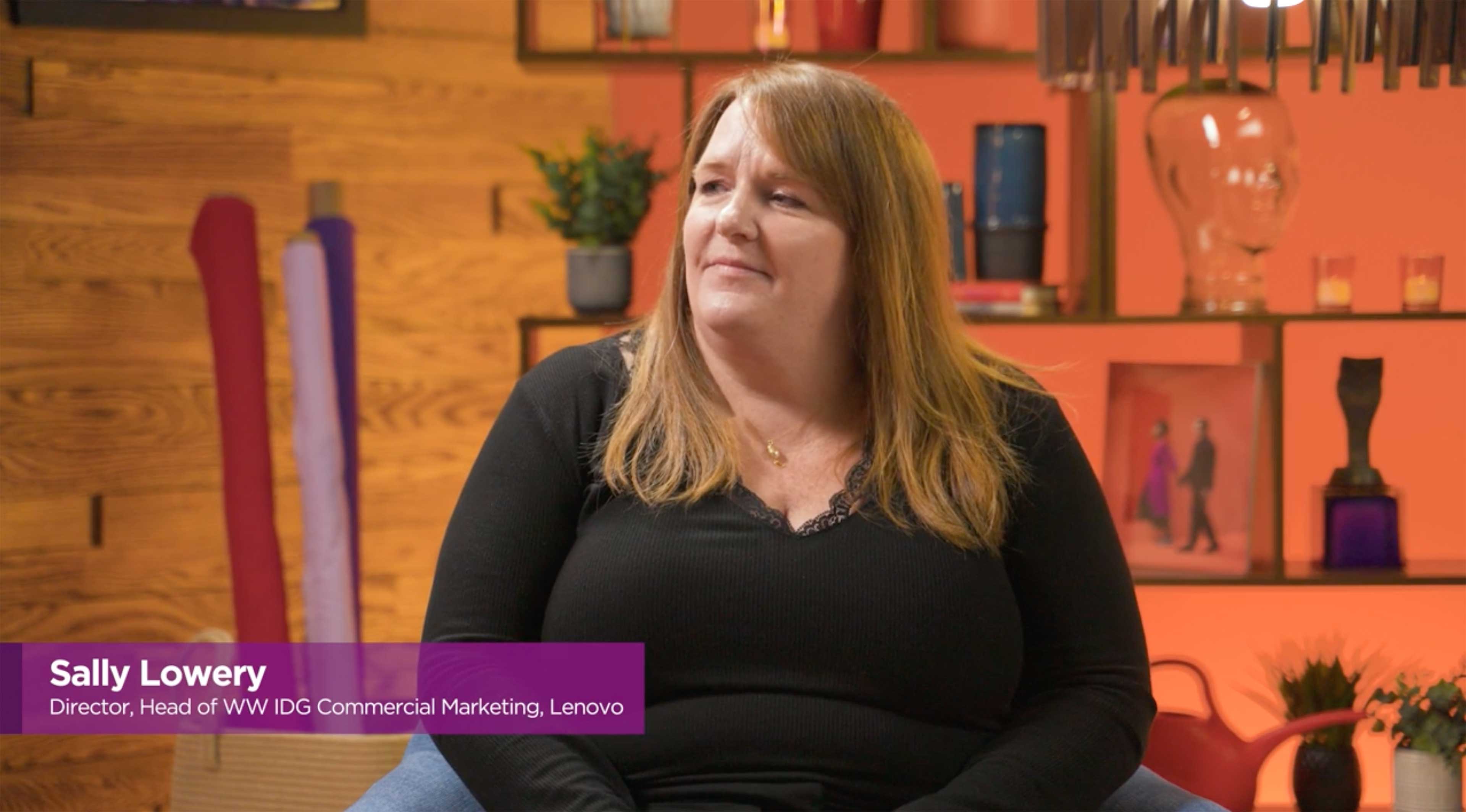
View Transcript
Alexa Carlin (00:27): Hello and welcome to Accelerating Your AI journey. I'm your host, Alexa Carlin, and today we're talking about the results of a recent poll asking why so many organizations are hesitant to migrate to Windows 11 and the risks they face in waiting. Joining me today is Sally Lowery, director head of Worldwide IDG Commercial Marketing at Lenovo. Welcome, Sally.
Sally Lowery (00:54): Thank you for having me.
Alexa Carlin (00:55): Yeah, thanks for being here. So to start us off, tell us a little bit about yourself and what inspires you most with working with companies who continue to tap into emerging technologies?
Sally Lowery (01:07): Great. So I've been in technology my entire career. That's a pretty intentional decision because I really appreciate how technology continues to really push against the boundaries of really what we do today, what we expect to do tomorrow. So that invention is such a critical piece of what I enjoy. And I think when we think about emerging technologies, AI has been, of course, one of the most relevant places where you can see technology coming to life and really pushing the boundaries on emerging tech. And with that comes Win-11, right? So I think Win-11 has been an interesting foray into how do you drive better security for different organizations, small to large scale, all the way through to what's that end user experience? How do you drive better productivity efficiency? How do you get smarter using AI in your everyday life to be more effective at your job? And so for me, those are the things that I just find super compelling as we work with organizations solving for what's the next stage look like.
Alexa Carlin (02:14): Solving for big problems.
Sally Lowery (02:15): Yes, absolutely.
Alexa Carlin (02:16): Definitely challenging. So thank you for setting us up to talk about why the October 2025 end of service state for Windows 10, it's such a critical milestone for businesses. What are the productivity and performance enhancements organizations can expect by moving to Windows 11, and why is it so critical that they upgrade before the end of service date?
Sally Lowery (02:41): Yeah, great question. I'm actually a Windows 11 user already, and I'm also a copilot user. And I think that if we think about the productivity and efficiency gains, there's the large organization fold of it from a security point of view. There's so many automated tasks that an IT decision maker and an IT administrator can deliver for their organization that makes them smarter. Automating workflows, even security updates that are pretty impressive. But for me, the end user, the collaboration tools are phenomenal. The content generation tools, the contextual search solutions, it really just amplifies your game. And I'll be quite honest, even having something as simple as, hey, help me construct an email that's kind of difficult to write. But do it in a way that's going to be really impactful, concise, almost pedantic, that really helps drive the narrative. Those are the types of things that we, I think, don't spend as much energy talking about, but are actually really impactful to the end user.
(03:52): So I think that those are the things that, when I think about why Win-11, a great reason, why Win-11 today. When you think about how soon, soon, especially for large enterprise organizations. Them making a move to migrate their entire organization is a very large undertaking. And so I think them being able to be ready for that is something that's important for them to not only realize the benefit, the value, but also to ensure that they're ready to make that transition.
Alexa Carlin (04:26): And stay ahead of the competition.
Sally Lowery (04:27): Absolutely. Absolutely.
Alexa Carlin (04:30): So the poll results indicate that the top three reasons for waiting are budget and resource constraints and an unclear understanding of the required hardware updates to ensure a successful migration. What does all this mean as it relates to the risks these organizations are exposing themselves by delaying?
Sally Lowery (04:50): Budget is definitely a conversation we have with customers on an ongoing basis. I think the reality is that there's a ton of costs that you're not thinking about if you don't migrate. And so I think you really need to weigh both what's the cost you know you have to spend to migrate, as well as what's the hidden cost of not migrating? I think you need to balance that. In addition to that, you have to assess where you are as an organization. For very large enterprise organizations, being able to say, where are my systems at? What requires migration? What's not ready for migration? That's where the cost and infrastructure comes into place. And so do I want to consider an AIPC as my next wave so that I'm not only driving that transformation into Windows-11 migration, but I'm also now giving the competitive advantage of ensuring all of my customers have an AIPC in their hand.
(05:54): So I think that there's a lot of complexity in it. I think it's why some are very reluctant because Windows 11 transitioned, it happened at the same time that AIPC really made a big mark in the world. And I think the two combined are a pretty powerful story to drive competitive edge.
Alexa Carlin (06:13): Interesting. So they probably feel a little bit overwhelmed.
Sally Lowery (06:16): I think a little bit overwhelmed and when to make the move and how to make the move and how to make a readiness assessment. Those are a lot of things that drive complexity, even if you're talking about a 1,000 person company, but then get to a hundred thousand person company and the assessment becomes much more significant.
Alexa Carlin (06:36): Yeah, I could definitely see that. So what about the argument that they may be waiting because the Windows 12 migration is not far behind this one and they don't want to do it twice?
Sally Lowery (06:48): Yeah, that's a great one that's been buzzing for a while now. Windows 12 does not have a release date. It could happen this year. It could happen next year. It could happen in the year after that. Windows 10 end-of-service does have a date.
Alexa Carlin (07:04): October 14th.
Sally Lowery (07:05): Yes, everyone should commit it to memory because that's the date where really, quite honestly, your support is going to have to increase for those that haven't migrated. I think in addition to that, you're going to have security vulnerabilities. So I think that there's this charge of should I wait? The reality is no. But more importantly, Windows 11 will be supported for years to come. So just because Windows 12 releases doesn't mean you have to jump immediately to Windows 12. Instead, you should get your organization ready today for what we have today. And I know we keep bouncing around on the competitive advantage, but it's real. There's enough stats to really show that Windows 11, along with Copilot, really brings and delivers better productivity, better collaboration, things that are really important to organizations.
Alexa Carlin (08:01): It reminds me of a lot of businesses were hesitant to jump onto a new social media platform waiting to see if it would last, and then they got so far behind. And the thing is, you go where the audience is at that moment, and right now, Windows 11 is here, it's now, and if you wait to wait it out and see about Windows 12, you'll be left behind.
Sally Lowery (08:26): Correct.
Alexa Carlin (08:27): Which could have a ton of costs.
Sally Lowery (08:28): Exactly. And we've talked about the cost of not migrating, and I think that that is something that people really need to assess as they're considering, should I hold or should I not? The cost of staying where you are, I think is significant.
Alexa Carlin (08:47): Yeah. Definitely. So for businesses already behind on their migration planning, what is your top piece of advice? What should their immediate next steps be?
Sally Lowery (08:58): Yeah, that's a great question. I think assess what their tech stack looks like. So I think the readiness assessment is the most critical thing. There's a ton of guidance on what Windows 11 compatibility looks like. So being able to assess your fleet and say, okay, how many are compatible? How many aren't? For those that are compatible, how do we start working through a migration plan? For those that aren't compatible, how do we start thinking about, okay, what is the next device we want to bring in? If it's going to be something like an AI PC where you could have an AMD Ryzen where it's going to not only power Windows 11, it's going to power Copilot Plus, and it's also going to give you a ton of additional AI capacity for your end user. So there's a lot of considerations, but I think starting with readiness and then assessing for those that are ready, what's the migration? And then for those that aren't the next stage, and how do you keep your company competitive?
Alexa Carlin (10:02): One step at a time.
Sally Lowery (10:03): One step at a time. Yeah.
Alexa Carlin (10:05): Well, this conversation has been very informative. I do have one final question for you. What does Smarter AI for all mean to you?
Sally Lowery (10:14): When we were working through how do we bring AI to life, whether it was the end user, the small business, the enterprise, very large, or even the public sector, for us, it's about making AI approachable, reachable, attainable, and usable for everyone. And so when you think about how we've built it from a technology perspective, we really want to make it easy to use. We want it to be something that really drives immediate value for the end user and the organizations, and really just makes it something that everyone gets benefit from. So that's when I think about the Smarter AI for all, it's also the Smarter AI for you that I think really connects the dots.
Alexa Carlin (11:06): I love that. Seeing how it makes your life and your work better.
Sally Lowery (11:10): Absolutely. Yeah.
Alexa Carlin (11:12): Well, thank you so much. This has been a great conversation.
Sally Lowery (11:14): Thank you.
Alexa Carlin (11:15): I'd like to thank my guest, Sally Lowery, director head of Worldwide IDG Commercial Marketing at Lenovo for stopping by and talking with us today. And thank you for watching. Visit us online to learn more about how Lenovo can help you accelerate your AI journey on the road to smarter AI for all.

Sally Lowery
Head of IDG WW Commercial Marketing, Lenovo & global strategy & operations expert
Sally Lowery leads IDG WW Commercial Marketing at Lenovo, bringing over 25 years of experience in marketing, product, operations, and sales. She has driven strategic transformations, led global e-commerce strategy, optimized technology, and managed P&L across industries. Previously, she held leadership roles at Amazon, Oracle, and Digital Turbine, specializing in customer engagement and business model innovation. Sally excels in building cross-functional teams, streamlining processes, and driving impactful results to enhance commercial marketing and customer experience.

The Hidden Cost of Delaying Your Windows 11 Upgrade
Sally Lowery, Head of IDG WW Commercial Marketing, Lenovo & global strategy & operations expert

IT’s Next Frontier: Set Your Windows 11 Migration Up for Success
Lohit Lakshman, DWS Industry Leader & General Manager, Lenovo

The World's Most Watched Sporting Event
Go behind the scenes to see how Lenovo AI powers a world gone football.™
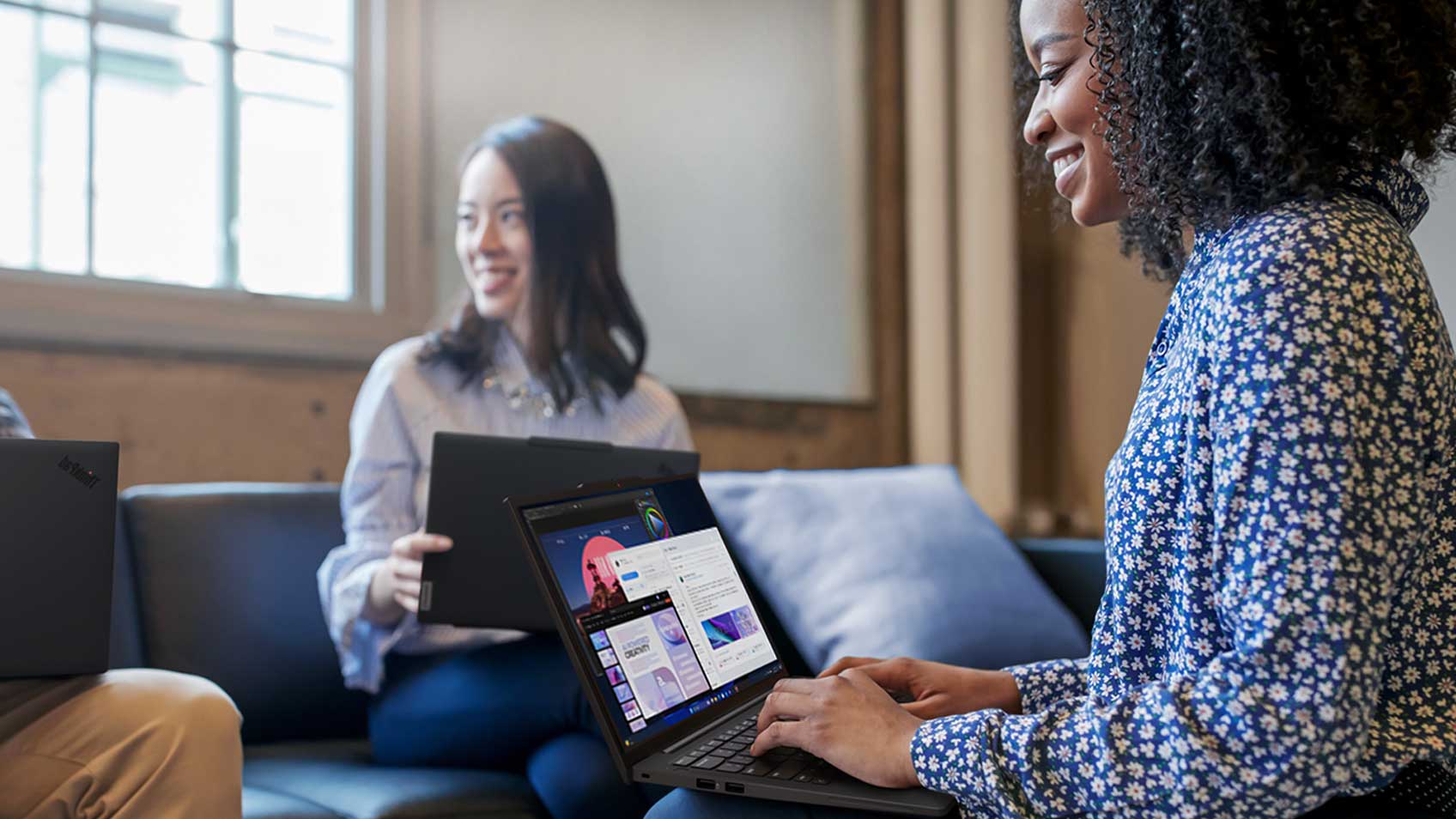
Windows 11 Migration With AMD
Provide more powerful experiences and consistency with better security for all.
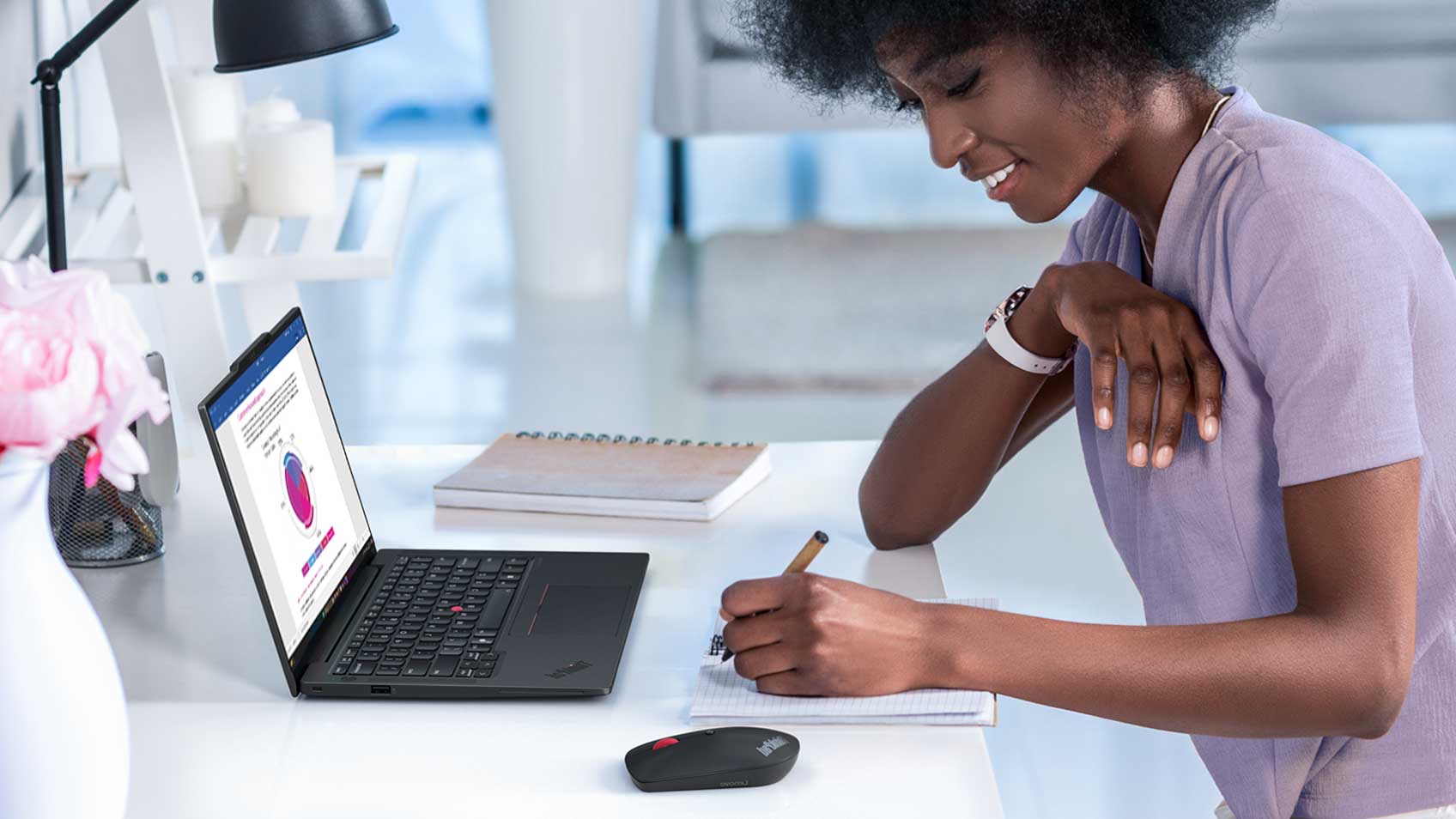
AI PC With AMD
Streamline and enhance everyday tasks with smarter AI that’s personalized for each user.

Lenovo AI PC With Intel®
Dive into how AI PCs provide more personalized, productive, and protected experiences.

Embracing AI & ROI
Simplify your AI journey and accelerate business outcomes with Lenovo’s AI Services and TruScale.

Navigating Sustainability in the AI Era
Find out how you can leverage AI and still meet your sustainability goals.

Empower Employee Experiences With AI
Learn how to empower your teams to do more with AI-powered tools and Lenovo’s Digital Workplace Solutions.

Harness AI & HPC for a Smarter, Faster Future
Drive innovation, efficiency, and real-world impact with Lenovo and AMD.
Contact Us

Meet Your Host,
Alexa Carlin
Alexa Carlin is an in-demand public speaker, bestselling author, top content creator for women's empowerment, and the Founder of Women Empower X. Alexa has worked with Fortune Global 500 brands to create captivating and relatable content. She has been featured on the Oprah Winfrey Network, Cheddar TV, FOX, ABC, CBS, TEDx and in Entrepreneur, Glamour Magazine, and Forbes, among others.