
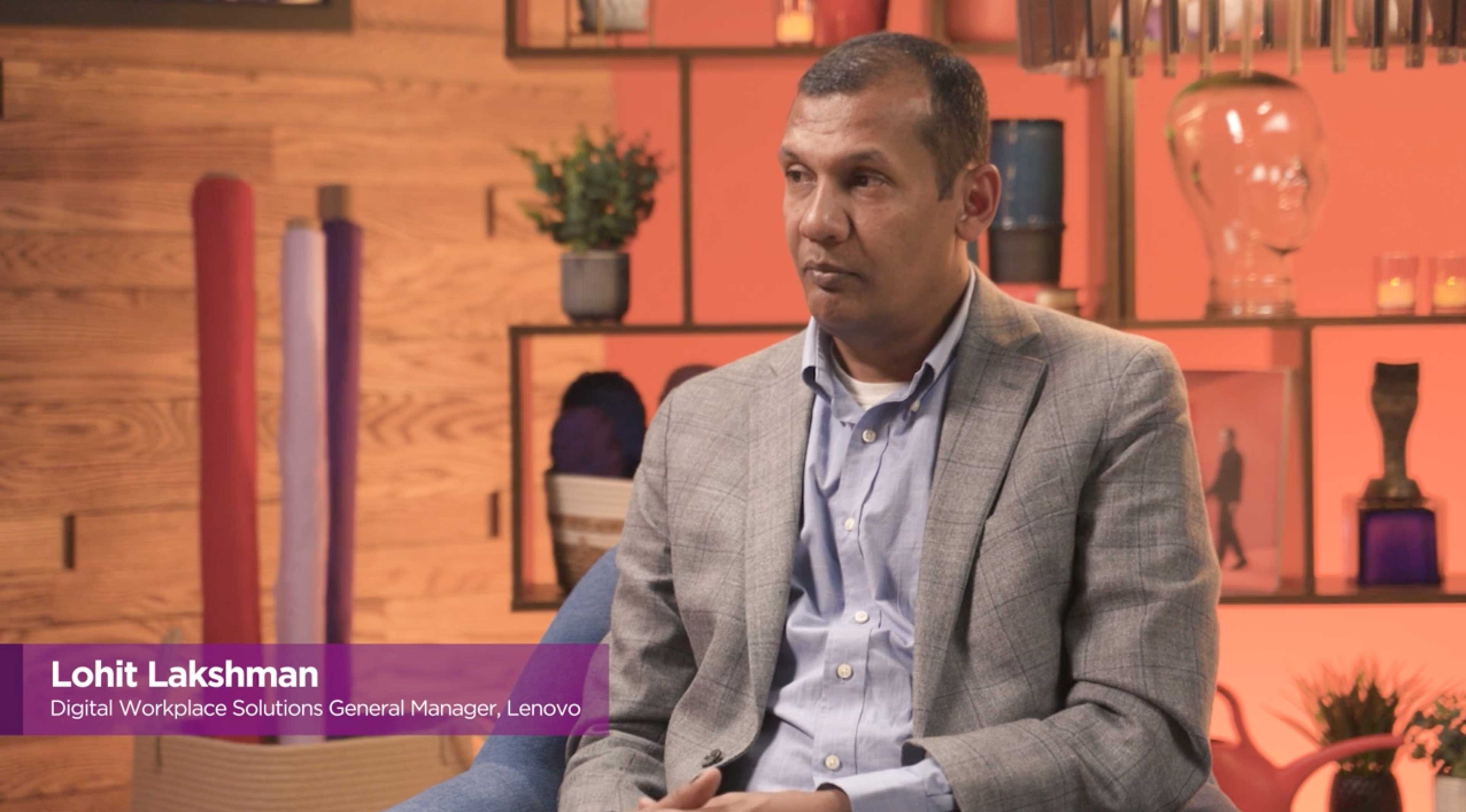
View Transcript
Alexa Carlin (00:00:27:16 - 00:00:59:18): Hello and welcome to Accelerating Your AI Journey. I'm your host, Alexa Carlin, and today we're talking about how to streamline large scale migrations, like the move from Windows 10 to 11. The end of service deadline is looming October 14th, and I have Lohit Lakshman DWS Industry Leader and GM at Lenovo here with me to talk about some proven strategies and tools to get started on a migration, so it goes smoothly.
Welcome.
Lohit Lakshman (00:00:59:23 - 00:01:01:16): Thank you for having me.
Alexa Carlin (00:01:01:19 - 00:01:09:17): Thanks for being here. So, tell us a little bit about yourself and what inspires you to work with innovative, technologically driven companies?
Lohit Lakshman (00:01:09:20 - 00:01:34:07): Absolutely. I'll definitely talk about myself. I'm Lohit Lakshman, part of the software and services organization within Lenovo and, I'm one of the industry leaders, as you mentioned. Primarily what I constantly do is work on technology, understanding how technology can go back and provide the value to both the business and customers.
Lohit Lakshman (00:01:34:09 - 00:01:57:05): And what keeps me excited over here is, how exactly technology is constantly evolving. I'll just give you a premise of a small movie, which most of us would have seen James Bond Tomorrow Never Dies, where you could see Boseman actually driving a BMW with a remote. And today, we already have that reality where Tesla car can be driven without a human kind of stuff.
Lohit Lakshman (00:01:57:11 - 00:02:22:05): So, technology is constantly evolving. You're constantly learning at the same time and, the most, benefiting or exciting part of it is you're part of the journey. You're actually helping the customers, one achieve, what business outcomes they're looking for, how exactly innovation can actually help them on a constant basis, and also improving their business operations.
Lohit Lakshman(00:02:22:07 - 00:02:35:14): So essentially, end of the day, you're looking at how technology can go back and simplify your day-to-day job and also provide you benefit. And that's what keeps me excited. And you know, motivated I would say.
Alexa Carlin (00:02:35:15 - 00:03:04:02): Yeah, definitely. So, thanks for setting us up to talk about proven strategies and tools that can be used to make this type of migration go smoothly. So, it's quite a daunting task. And we know a lot of organizations are hesitant to make the move. So, what are some key considerations for CIOs and IT decision makers to consider? So, their migration is seamless and most importantly, secure?
Lohit Lakshman (00:03:04:04 - 00:03:28:07): Absolutely. Before I get into the actual process, which the CISO have to look at, I'll just go back and take a few minutes to talk about what the migration actually primarily provides to the customer side. Most of the organizations, if you talk about anybody, a small scale, organization, small and medium enterprise customers, all of them are talking about AI strategy.
Lohit Lakshman (00:03:28:09 - 00:03:48:08): So primarily, all of your migration is going to be driven from the AI strategy, which you want to implement within your organization. So, it is primarily driven by AI strategy. It's all about how exactly you could use some of this, EHR strategy in context of, how to go back and look at benefits for your business operations.
Lohit Lakshman (00:03:48:08 - 00:04:07:07): Each of the industry looks at it in a slightly different fashion. So, for a CIO, one of the primary things is to go back and have a very, very detailed assessment, to, which is, which is comprehensive in nature, where you're able to understand, what are the what is the priority which you have within the organization?
Lohit Lakshman (00:04:07:09 - 00:04:34:14): Once you have this particular detailed, you're able to go back and create a very, very detailed, pragmatic, migration plan within the organization. We talked about software, Windows 11 as a software, but primarily, the underlying element is a software is only so much powerful, as much as the hardware can go. So, you have to go back and look at how exactly your hardware strategy comes along into the mix kind of stuff.
Lohit Lakshman (00:04:34:16 - 00:05:00:19): We talked about Windows 11. The primary focus of Windows 11 is to go back and constantly enhance the new hardware, which exists in the ecosystems. Today you talk about IPC, which, has more than 40 tops. Some of the IPC which Lenovo develops, are AMD Ryzen processor based. So essentially what we are talking about is the hardware, which I actually go back and pick the benefits of the software as well.
Lohit Lakshman (00:05:00:21 - 00:05:19:00): So, you you're just not looking at, a comprehensive plan which is software driven, but it is also hardware driven. So, you're bringing these two together and you're detailing this out. So, in the whole process, what you're looking at is what is your priority. If you talk to a CIO he wants to go back and keep things simple.
Lohit Lakshman (00:05:19:02 - 00:05:40:06) Within the same organization, if you talk to the CFO, he does not want to spend money. At the same time, the CEO goes back and says, I want to keep the business far more relevant. So how does a Windows 11 migration actually accomplish all of this? That is what the objective of an assessment is, for you to understand what your customer's objectives is.
Lohit Lakshman (00:05:40:08 - 00:06:11:19): I could not have the same solution adopted to a different customer. I have to do the specific comprehensive assessment for each of the, customer base, their ecosystem, what their priorities are. And most importantly, right when you're talking about, migration, security and compliance comes in, right? The data, security, requirements, how exactly you can go back and hands, the benefits of utilizing a migration to improve your security posture of the organization.
Lohit Lakshman (00:06:11:19 - 00:06:36:07): At the same time, not creating any risks in the whole process, because at any particular point of time, if your, employees get impacted because of this migration, the productivity goes down, which means it is indirectly impacting your business. So all the three key CXOs that we talked about was going to go back and start creating problems. If you don't plan it well, you're going to spend more money.
Lohit Lakshman (00:06:36:07 - 00:06:45:21): The CFO is going to have issue. So eventually the CIO has to go back and keep all of these aspects in mind and plan that, migration effectively. I would say.
Alexa Carlin(00:06:45:23 - 00:06:53:17): It's a lot of different moving parts. Yeah. And, everyone has their own role and object take on it object.
Lohit Lakshman (00:06:53:21 - 00:06:54:06): Absolutely.
Alexa Carlin (00:06:54:06 - 00:07:04:03): But I love how you mentioned in the beginning that it's about focusing on the benefits and how it's going to make your team more productive, because it's easy to focus on how hard it is.
Lohit Lakshman (00:07:04:04 - 00:07:25:12) Eventually it's all about how do you go back and get the best ROI in the whole process for the different, business units within the organization. So operationally, everybody has their own different, objective. The purpose within the organization. And you have to understand what benefits they are able to cope. I can get from this whole process over time.
Alexa Carlin (00:07:25:17 - 00:07:53:18): So talking about now how to get that ROI. We're balancing limited resources and operational disruptions. That's a huge concern for IT decision makers and teams. And so particularly for this type of migration, that seems to be the top of the conversation. So how can these types of challenges be balanced with the need to futureproof innovation and technology infrastructure?
Lohit Lakshman (00:07:53:21 - 00:08:17:15) Wonderful question. Again. It goes back to my previous response. Right when you do the assessment, you are looking at, the entire solution on two prongs, right? One is the cost and one is the complexity within the organization. And each, employee fits into this particular bucket. So typically what we do is, within Lenovo we have something called care of one.
Lohit Lakshman (00:08:17:17 - 00:08:48:13): Care often is a generic platform. Again a solution which actually goes back and does personal identification. What is the personal identification? We want to go back and map out how your employees are operating within the organization, what their priorities are. So essentially the whole aspect of if you look at it, traditionally you will see sales, marketing, developers, all of this, high level personas are there, which is common across any industry kind of stuff.
Lohit Lakshman (00:08:48:15 - 00:09:14:19): But when you drill down further, each of the persona operates slightly different. When you talk about from an industry standpoint, what I mean by that is a sales, person operating on a manufacturing organization is completely different to a, a beef or industrial to insurance industry. So, once you have this persona identified, specific to their business operations, their industry, you're able to understand what their priorities are.
Lohit Lakshman (00:09:14:21 - 00:09:42:08): For example, somebody who's actually looking at technology innovation for their business operation will carry a far higher priority and importance for migration versus somebody who is looking at a day to day job, which is looking ahead, looking very it does not. It's on data intensive and stuff like that. So, this assessment is actually able to help you prioritize how exactly an organization is operating.
Lohit Lakshman (00:09:42:10 - 00:09:55:07): Once you have this, then you're creating a migration plan again and going back. And is the maximum ROI the business unit can actually go back and provide. They go back and get the preference. So, you essentially want yours to.
Alexa Carlin (00:09:55:12 - 00:09:56:18): Start the migration first.
Lohit Lakshman (00:09:56:19 - 00:10:15:07): Absolutely. So, you go back and plan with that. And you also there are different factors right. Again, how much is the time constraint. What is the employee base which we have in the organization. So, a solution which is for a 300,000 employee base like JPMorgan Chase, is not the same for a pharma company, which is like 20,000 employees.
Lohit Lakshman (00:10:15:09 - 00:10:35:16): So, you change this particular parameter, in a different manner for each of the organizations. But at the core, the plan is based on all of these different parameters, which I said are important for you to understand how you get the ROI. Once you have that, then you can go back and start utilizing this, migration plan.
Lohit Lakshman (00:10:35:18 - 00:10:50:15): The next most important things, which you said was rate constraints. So, you can actually use the same technology to go back and do that. Can I do automation in the whole stuff? Can I go back and bring in new solutions to go back and do the deployment on, on its own kind of stuff, so the migration can be planned?
Lohit Lakshman (00:10:50:17 - 00:11:17:17): There are different ways to look at it, simplifying the whole solution, reducing the time of migration. Lee, can I go back and have, migration done by the employees themself? Rather than having it done by a third person or a third party, solutions kind of stuff? And lastly, right, when you're looking at all of these solutions, you're talking also about how exactly the, overall framework can be used.
Lohit Lakshman (00:11:17:17 - 00:11:39:01): Right? I call this framework basically, two pronged, especially from a hardware standpoint. There's something called Greenfield and there's something called the brownfield. Right. You have a regular employee who's already having a laptop. You just need the migration. Now, again, it goes back, goes back to the point which I mentioned the priorities. What is it? Otherwise, you will get kind of stuff.
Lohit Lakshman (00:11:39:05 - 00:11:58:22): So, for those employees, I want to go back and replace even the underlying hardware, which means I don't have to do the migration. I just have to do the data migration. I can have the IPC, AMD Ryzen powered by AMD as a processor. You can actually go back and have the operating system up and running already by default, because it's a brand-new machine.
Lohit Lakshman (00:11:58:22 - 00:12:05:13): I don't have to do the migration from 10 to 11. So, you get the box. You just have to do the data transfer. It becomes faster for you.
Alexa Carlin (00:12:05:13 - 00:12:07:03): So, you would just replace the hardware.
Lohit Lakshman (00:12:07:03 - 00:12:26:13): Hardware and you just have to do the data transfer. The profile is already pre-installed on those particular machines. And then the other is the brownfield, you know, depending on what the priorities are, you can actually go back and plan the brownfield migration in a far more effective manner. So, the greenfield and the brownfield also is something which we actually use in the ecosystem to identify with.
Lohit Lakshman (00:12:26:13 - 00:12:32:17): The 20% of the users can be migrated to Greenfield versus the brownfield solution, I would say.
Alexa Carlin (00:12:32:23 - 00:12:36:18): Yeah. So that is all discovered through the assessment.
Lohit Lakshman (00:12:36:18 - 00:12:58:10): The assessment actually helps us understand. And we are constantly working with the customer. Right. We are looking at the information they have provided. We are we are working with them to understand, the plan. They are also contributing to that, assessment plan to understand, if it aligns with their objectives. And one thing which we have to also keep in mind is write what you define.
Lohit Lakshman (00:12:58:12 - 00:13:12:06): A plan is not rigid. You have to constantly adapt, and change based on the business objectives. So, what you have defined as part of the assessment, you have to constantly evolve as well. So, for that you have to work and have a comprehensive assessment over time.
Alexa Carlin (00:13:12:08 - 00:13:21:14): Well, this has been a really helpful conversation. I have one final question for you. What does smarter AI for all mean to you?
Lohit Lakshman (00:13:21:16 - 00:13:51:16): Smarter AI for all like the name, state itself, right? It is all about accessibility. It is all about enablement, right? I completely resonate with this term because for me, looking at technology or a solution, is something where you're able to go back and empower and reaping the benefits. Also, in an effective manner. When you look at Lenovo, we are constantly investing both internally and externally on, on AI as a solution.
Lohit Lakshman (00:13:51:16 - 00:14:13:18): Right. Some of the examples I mentioned, the IPC talked about quite often as a platform. All of these are solutions which we have developed. One, keeping internal needs in mind, but also at the same time, which can actually go back and scale for our customers. All of these particular products are actually helping us improve our productivity.
Lohit Lakshman (00:14:13:20 - 00:14:35:23): Getting our better user experience and driving performance, within the ecosystem at the same time, the same solution, we are able to go back and extend the scalability of our, solutions externally, which is far more, resonating as well. And, last more time, most importantly, right, I go back and look at smarter AI for all this, the ethical way of running, AI, is it transparent?
Lohit Lakshman (00:14:35:23 - 00:14:54:01): Is it, providing you with all the right kind of information and doing the right thing? Right. When, when you have technology which can actually go back and, has unlimited boundaries that actually go back and provide you with benefits, you want to go back and do the right things as well. So that's what I mean.
Lohit Lakshman (00:14:54:05 - 00:15:01:10): Smarter AI for all, which is, which is empowering about, your users and yourself in the whole process, I would say.
Alexa Carlin (00:15:01:12 - 00:15:37:10): I love that answer. So limitless boundaries but doing it for the greater good. Yeah. Well, thank you so much for this insightful conversation. Again, I'd like to thank my guest, Loki Lakshman, DW, AWS industry leader and GM at Lenovo, for stopping by and talking with us today. And thank you for watching. Visit us online to learn more about how Lenovo could help you accelerate your AI journey on the road to smarter AI for all. (singing)
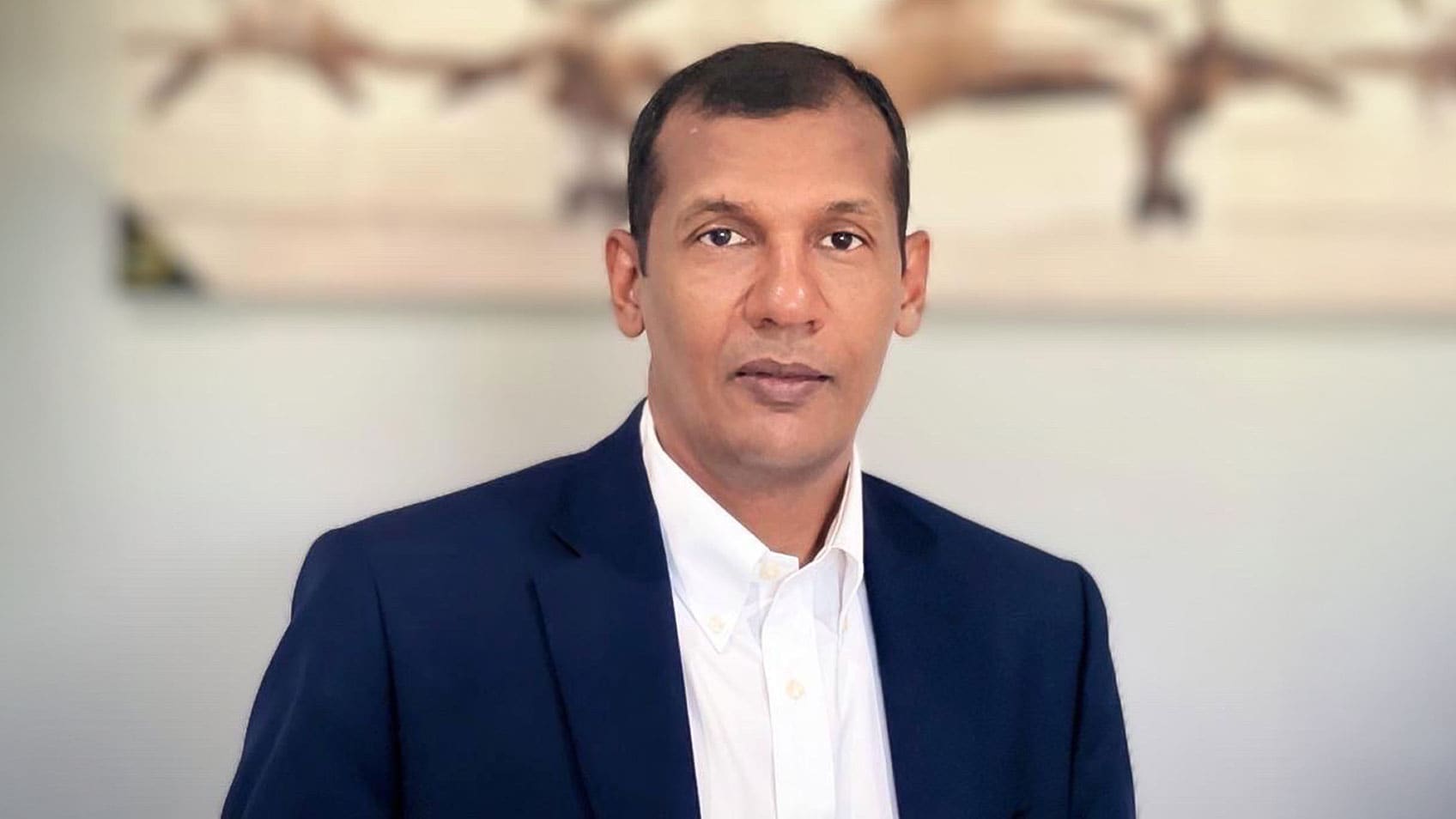
Lohit Lakshman
DWS Industry Leader & General Manager, Lenovo
Lohit Lakshman is a seasoned technology leader with over 25 years of experience helping enterprises simplify large-scale migrations, enhance security, future-proof performance, and maximize ROI. As the DWS Industry Leader and General Manager at Lenovo, he specializes in driving business transformation through digital innovation, enterprise automation, AI, and advanced analytics. With deep expertise in cloud computing, enterprise architecture, and IT strategy execution, Lohit advises CXOs on next-generation business solutions, aligning technology with operational efficiency and cost optimization. His leadership in IT modernization and outcome-based models has enabled organizations to seamlessly transition from legacy systems to agile, future-ready infrastructures.

Windows 10 Endgame: Why Businesses Risk Falling Behind
Sally Lowery, Head of IDG WW Commercial Marketing, Lenovo & global strategy & operations expert

The Hidden Cost of Delaying Your Windows 11 Upgrade
Sally Lowery, Head of IDG WW Commercial Marketing, Lenovo & global strategy & operations expert

The World's Most Watched Sporting Event
Go behind the scenes to see how Lenovo AI powers a world gone football.™
Windows 11 Migration With AMD
Provide more powerful experiences and consistency with better security for all.

AI PC With AMD
Streamline and enhance everyday tasks with smarter AI that’s personalized for each user.

Lenovo AI PC With Intel®
Dive into how AI PCs provide more personalized, productive, and protected experiences.

Embracing AI & ROI
Simplify your AI journey and accelerate business outcomes with Lenovo’s AI Services and TruScale.

Navigating Sustainability in the AI Era
Find out how you can leverage AI and still meet your sustainability goals.

Empower Employee Experiences With AI
Learn how to empower your teams to do more with AI-powered tools and Lenovo’s Digital Workplace Solutions.

Harness AI & HPC for a Smarter, Faster Future
Drive innovation, efficiency, and real-world impact with Lenovo and AMD.
Contact Us
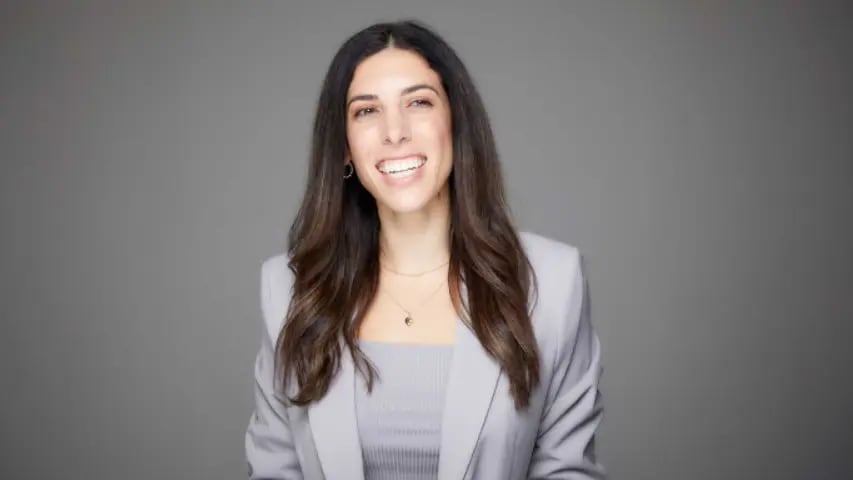
Meet Your Host,
Alexa Carlin
Alexa Carlin is an in-demand public speaker, bestselling author, top content creator for women's empowerment, and the Founder of Women Empower X. Alexa has worked with Fortune Global 500 brands to create captivating and relatable content. She has been featured on the Oprah Winfrey Network, Cheddar TV, FOX, ABC, CBS, TEDx and in Entrepreneur, Glamour Magazine, and Forbes, among others.