
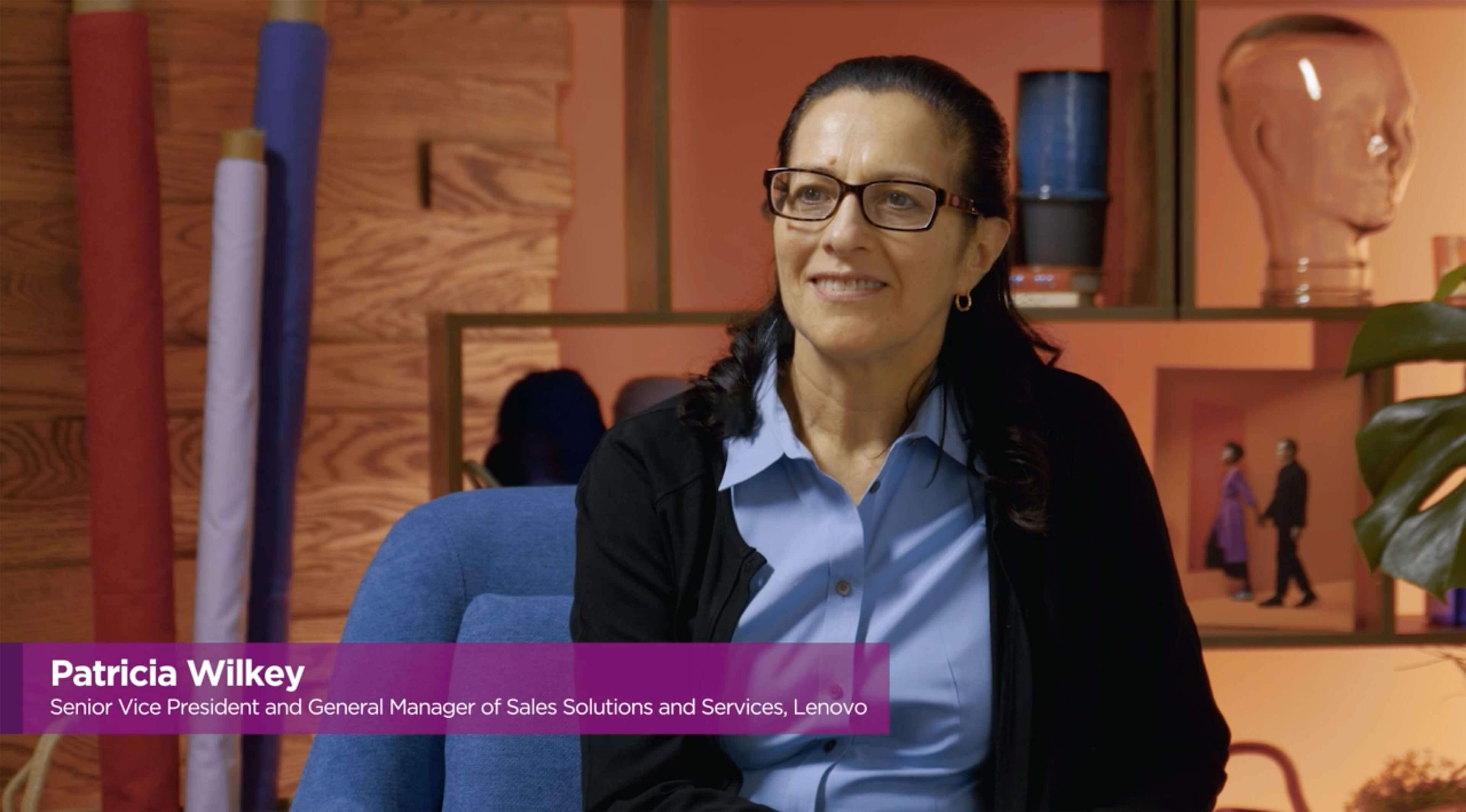
View Transcript
Alexa Carlin (00:36):
Hello and welcome to Accelerating Your AI Journey. I'm your host, Alexa Carlin, and today we're talking about refreshing technology to meet accelerating AI demands, but with an emphasis on sustainability. Joining me today is Patricia Wilkey, Senior Vice President and General Manager of Sales Solutions and Services at Lenovo. Welcome.
Patricia Wilkey (01:02):
Hi.
Alexa Carlin (01:03):
Thanks so much for being here. So just tell us a little bit about yourself.
Patricia Wilkey (01:06):
So, I'm recently joined Lenovo, very exciting. I've been a chief financial officer in the history of my career. I bring services and experience across from a global perspective. So whether it's in the data center from technology to cloud to services, and really just here to help our customers and bring the right value to them.
Alexa Carlin (01:31):
That's amazing. So what inspires you with helping others with sustainability challenges?
Patricia Wilkey (01:37):
Well, so let me tell you that I don't think the word is inspire because it's something I live every day. And if I think about it, when my son was in third grade, he had a project, and it was Earth Day. And the teacher sent him home with one garbage bag. And the goal was to be able to have for a family, and we were a family of five, to have one bag of rubbish, I say rubbish, for the whole week. Everything else had to be recycled, and we made it. And to this day, that's what... We can even make maybe one bag almost two weeks that we go through from composting-
Alexa Carlin (02:18):
How big is this bag?
Patricia Wilkey (02:19):
It's a regular 13-gallon size. So yeah, so we do that and now it's part of my every day. And so with that, I've seen it, but I love nature, but I also love technology. It's hard when I'm used to plastic and whatnot. That's in the home and that's what I've experienced and live every day. But as I've been in technology for many years, it's, how do you look at from data centers to desktops to having the lights on? How do you be able to manage that? And so making sure that there's an environment and there's a future for the next generation, that's what brings me into life every day. So I don't have to be inspired because I try to live it.
Alexa Carlin (03:04):
Yeah, it's a part of your everyday life.
Patricia Wilkey (03:06):
That's it.
Alexa Carlin (03:08):
And I'm so happy people like you exist because I have twin boys that I definitely want a nice planet for them when they grow up.
Patricia Wilkey (03:14):
When it takes 40 years for a plastic container to start to disintegrate, we need some time, but we need to think about the future.
Alexa Carlin (03:25):
When you start to think about stats like that, it's kind of mind-blowing to put it into perspective.
Patricia Wilkey (03:29):
For sure, for sure.
Alexa Carlin (03:30):
So what are you hearing from customers about their sustainability needs or challenges, or what's kind of the conversation right now?
Patricia Wilkey (03:40):
So there was a lot of hype, and I think it continues. But the biggest piece is that I meet with CEOs, CIOs, CFOs, et cetera, every day. And it's part of their board goals many times that we're seeing. And in that, it's not just a strategy or vision, it's they have to live with it. And in some cases, some of these executives are now having this built into their own compensation plans.
Alexa Carlin (04:07):
Really?
Patricia Wilkey (04:08):
They have to achieve certain goals in order to be successful. And so that's one, that it's on their mind, obviously, if it's in part of their package and goals that they have. The other piece is they look at their customers or the regulations. So in some cases, in order to be able to sell to certain clients, they need to have certain sustainability goals built in. If they do not achieve those, they might not even meet the category to qualify to be invited into what we call an RFP, a proposal to be able to do business. So if they aren't meeting those, they're not even on the list. So that's what keeps them up at night.
(04:49):
The next piece though, some of my manufacturing clients, they need to look at, well, how do I optimize, put their CFO hat on, make sure that they're controlling their costs, but at the same time looking at how do they use their products or their supply chain wisely while trying to achieve some of these sustainability goals.
Alexa Carlin (05:09):
So they're wearing many hats-
Patricia Wilkey (05:12):
You got-
Alexa Carlin (05:12):
... to try to innovate, get the job done, but also be sustainable.
Patricia Wilkey (05:17):
Yeah. And it's almost an aspect that they're bringing in their whole ecosystem. But at the same time, there's pressures of what's going on out in the geopolitical world and how do they be able to manage their bottom line but also think of what they need to do that's right for the planet.
Alexa Carlin (05:35):
How do you manage that? You're a top leader in your department and at Lenovo, how do you manage those things?
Patricia Wilkey (05:44):
So the first is that we've educated our teams from our manufacturing plants covering 180 countries around the world to also we're just bringing in our account teams that meet and greet clients every day, to our sellers and ensuring that they understand with the capabilities and the technology that we have, how do we drive that? So what we did was we actually created tools to enable our sellers to take analysis or take data points from our clients and turn that around and say, "Have you thought of this? Look, if you're using this specific device, here's what your carbon footprint might look like. If you replace a device, here's how it might impact your bottom line and help you in some of your carbon goals that you're looking at." So we're really looking at enabling our own community and helping our customers make the right decisions as they go forward.
Alexa Carlin (06:41):
So with AI moving so rapidly, how do IT teams figure out how much of a technology investment is enough? And is there a risk of over-provisioning?
Patricia Wilkey (06:56):
Good. Great, great question. So when it comes to AI, we're all new at it right now. The legacy AI piece of looking at some design models and machine learning has been around for quite some time, but the generative AI that we're all experiencing on our mobile devices or anywhere in chat, that is starting to bring huge compute components to the table. Now what we need to look at is how does this compute power, what happens behind the scenes? And so in this case, we're looking at how do you bring AI models to make business sense use case by use case. It doesn't make sense to go put my CFO hat on to just go and spend a million dollars. It is, how do I make the right model for the right use case and control my costs while getting optimization for whatever that is? So that's all over there, but let's take a specific instance.
(07:56):
So if I wanted to be able to help impact my help desk or service desk with my customers, I want to look at what is the knowledge, the data that I can manipulate to avoid an issue even coming into the help desk. And with that, you can look at AI. Now what does that mean? How do I have the right model to be able to support that? Now in some cases, when you're first designing and looking at those models, you need huge compute models, compute portions to be able to validate your model to make sure it works. So behind the scenes, it's all triggering the compute power, what we call a GPU unit is out there helping the AI come to reality.
(08:40):
Now, what does that mean? Once you imply and implement it, you might not need so much power, so you can ratchet down your compute power. So this is why we're taking an advisory process with our clients, helping them validate the use case, design the right solution, and then test it. And therefore helping them to look at what do they need just in time. Now what does that mean? How do they get there? We have a solution, it's called TruScale. This solution allows our customers to have an environment that is controlled and managed, but yet can go up or down according to the needs of our customer.
(09:19):
So back to how that data is transacting behind the scenes, we can have a big environment for them or we can bring it down, all controlling a financial aspect that the CFO is happier, but at the same time that the engineer, the application expert has access to the information that they need.
Alexa Carlin (09:37):
And that's really important because you're not always needing the same power every single month of the year, especially depending on your business.
Patricia Wilkey (09:47):
Not even the month, the every day, right?
Alexa Carlin (09:50):
Yeah.
Patricia Wilkey (09:50):
It is down to what do you need in those different aspects? Because you could be, let's say you're a retail entity and you've got some event going on that day and you need huge power behind it to be able to run your models. Maybe you have a thousand different selling campaigns that are going out there. You need that power for that day, and it might come down next. And so how do you control the compute experience behind the application?
Alexa Carlin (10:18):
And it's all automatic?
Patricia Wilkey (10:20):
All automatic.
Alexa Carlin (10:21):
Wow.
Patricia Wilkey (10:21):
Yeah.
Alexa Carlin (10:21):
Yeah, definitely very helpful for costing.
Patricia Wilkey (10:25):
You got it. For costing, but also the experience, right? Because you want to make sure the application works. And how many of you have ever been on an internet site and you're trying, it's Black Friday or something, and you're trying to buy something, trying to be the fastest, or you're trying to get to the next ticket to your best favorite concert that you want to go to and you can't get there? Oh, there's not enough power to run that environment. Nine million people are trying to trigger at the same time that if they had more compute power behind it, everybody would be able to get access to the environment.
Alexa Carlin (11:01):
I just had an experience with that. They had this big holiday train here and every single parent's trying to get tickets. And it was like a three-hour delay and people don't have time to just wait around for three hours.
Patricia Wilkey (11:15):
You bet.
Alexa Carlin (11:16):
And I was like, "There has to be better technology."
Patricia Wilkey (11:18):
And just think, right? If you take that to a real-time situation for a business criticality piece, whether it's in healthcare industry, decision criteria that you need on the minute. So how do you have the information?
Alexa Carlin (11:31):
Life threatening.
Patricia Wilkey (11:32):
You got it. A life-threatening decision that needs to come in or data that needs to get there right in time. How do you bring that all together? This is some of what AI's going to be able to bring and enable, but that means we need the compute power in certain times to be able to help manage it.
Alexa Carlin (11:49):
And when you're talking about use cases, so it's not just like an answer regarding how much technology investment do people need. It's not just an answer like, "Oh, you need to integrate it with your entire business organizations." It's about what do you want the outcome to be and let's implement it and deploy it there.
Patricia Wilkey (12:08):
You got it. And it's the business outcome. What am I trying to achieve?
Alexa Carlin (12:08):
Business outcome.
Patricia Wilkey (12:13):
The use case isn't just a fun thing necessarily. It's what am I trying to get to? Am I trying to get to my customer faster? Am I trying to manage and get the most out of the data? Am I trying to get a better resolution on an issue that's taken? Am I trying to get the supply chain process designed? Am I trying to get a product delivered in the right time? It's all of those areas that are going to make a difference whether I'm a banker, an insurance provider, a retail agent to a medical doctor, how do I have the right information?
Alexa Carlin (12:45):
So what if someone is wanting to integrate AI, but they're not thinking about sustainability and they start deploying this new technology, how do they backtrack to then start making it sustainable?
Patricia Wilkey (12:58):
Yeah, that's a key piece around ROI, return on investment. And sometimes we make decisions that don't go the way that we want to. So how do we look back? We can do a lot of analysis at a customer's environment to see what is the compute environment today to how can we optimize it? In some cases it might be leveraging the environment they have and moving it a little bit or adjusting different models in that. But in most cases, it's looking at, as they're looking in a refresh model, how do we bring in the right environment to support that?
(13:31):
Now in that case, it could be bringing in some of the latest technology that brings in the ecosystem. Liquid cooling, that might come into play in some of those solutions. In other areas it might be looking at how do we redesign the application and bringing in those AI components around the work that's already done. We don't want to throw everything away because we've got a vested investment. So how do we work with what's good out of the assets or the tools that that customer has to be able to bring the right solution?
Alexa Carlin (14:03):
So that kind of leads me into my next question, which is how can as-a-service models help organizations stay agile with technology investments while meeting sustainability targets?
Patricia Wilkey (14:16):
A piece of or a word that I like to use is evergreen. Evergreen, if you think of, it's always staying green, right? You don't go through the fall and your leaves start to turn brown. And this evergreen model, it means that you always have the right solution and the right technology, the right application environment, and a constant mode. Because there might be compliance areas that are coming in, there might be a new piece of software that you want to leverage in that. So evergreen is important.
(14:47):
Now, what we can do with the TruScale solution is be able to help our clients get what they need, access to the environment for their data, access to the environment for their application, constantly. So it's not, "Hey, I need to go set up a new project. It's going to take me six months to get this big piece of equipment put into my data center. I have to set up all these rules." In this case, we've already got an environment that can grow easily or can scale up or down accordingly into the environment. It's a key piece, especially as our clients are looking at these new solutions, be it with AI or just looking at these governance model. Data is growing so big every day.
Alexa Carlin (14:47):
Yeah, there's so much. Yeah.
Patricia Wilkey (15:27):
Right. There's so much. Think of us as individuals, what we need. And think of, one of my clients is an insurance client. They have 30 years of history in these models. When we go to buy insurance, you know that they've got calculations. So think of the data model behind that, and in some days they're going to need a lot of that compute and others they aren't. So again, back, I'll put the financial aspect, but I'll go behind making sure that the environment is just in time ready to operate for that client.
Alexa Carlin (16:00):
And of course, it helps when it helps the bottom line.
Patricia Wilkey (16:03):
You got it. The bottom line is always there. And maybe I say that too much because of my CFO days, but it's back to how does that leverage, how do you bring in sustainability in the full ecosystem? Because we know that we've got to leverage and get the most out of the investment that we made, which might even be a byproduct of sustainability, knowing that, hey, I'm going to have better compute power and environment to support me that is taking a better model around energy consumption, reducing that energy consumption, for example.
Alexa Carlin (16:37):
Definitely. So with as-a-service solutions gaining traction across a wide range of IT functions, can you share what Lenovo is doing to help customers?
Patricia Wilkey (16:49):
Yeah, so again, I think coming from the right model with our clients to not just lease the information or lease the product, but how do they get the full management lifecycle around that? So whether it is the infrastructure to run, you need to be able to manage, monitor, service it in every aspect that you're doing because you're relying on that. And so what we can do is bring the expertise to help design the solution for today and the future, but ensuring there's a safe pair of hands there to support whatever technology challenge that might come up, whether around your app, around the data or how it's being managed in that environment.
(17:33):
So that's what we try to take pride in and helping our clients so that they're ready for the next solution and they don't have to worry about it. They can go focus on what's core to their business while the safe pair of hands are making sure it's running for them.
Alexa Carlin (17:46):
Do you have any example of an organization or a business where you implemented as-a-service solution?
Patricia Wilkey (17:56):
Yeah, I will say we have clients in, what, 180 countries across the globe, but there's one customer that we were recently working with in the UAE, an innovation group. It was a company with about 50 employees, but these are 50 of the highest technology experts in their country.
Alexa Carlin (18:17):
A little bit intimidating.
Patricia Wilkey (18:18):
Just a bit. When I go to them, I'm like, "Okay, here's the next generation data scientist." But in that model, they have a goal or directive for their country to make sure that innovation is growing and to bring the next generation up who are educated to do that. So as part of this, they had a goal of how do they have the right environment that can scale at times, but bring the latest technology to help those data scientists, to help those technologists, to help those scientists or application owners have the right environment. And so what Lenovo did with them was we brought in our TruScale environments in an environment in their data center.
(19:04):
So, they have the next generation data center and allows these experts, not just those 50 experts in their own company, but other educators or those who are learning to be able to have access to this information on the fly. And that really makes their model of where they're growing and so that they can use it as a test bed. They can validate what I like to call proof of value. It's not just a proof of concept if something works, but they're looking at the value. Yes, the ROI, but more importantly, the right business outcome they want to bring with this next generation of technology.
Alexa Carlin (19:42):
I love that. I haven't heard of that before, proof of value.
Patricia Wilkey (19:45):
Proof of value.
Alexa Carlin (19:45):
Yeah. Because obviously you could do the proof of concept, but is it valuable?
Patricia Wilkey (19:48):
Exactly. Yeah. And is it a 30 days, nine months, if it goes out there over a year, I say, "It's too long." So how do we bring it back and show the immediate value to my business?
Alexa Carlin (20:00):
Yeah. We live in a world where we expect everything in a second, even a delivery on our door. I just placed, it should be in front of my front door. And now we're even seeing that with these huge different types of technology and things that you would think take months and months to build, we now expect it right away. And that's where these as-a-service solutions can help accelerate the process.
Patricia Wilkey (20:27):
You got it. Totally. It brings speed. As sometimes we say, "Speed, ease, and expertise." Because you can help get the speed that you need. You don't have to wait. I've been in the technology industry for quite some time, and I remember that when people would say, "Hey, oh, you want to bring that piece of technology into my data center? That'll be about six months. I have to coordinate. I have to get the network working on all this." Now how do you bring it in an easy, simple way?
(20:57):
The other piece is the financial aspect as we talked about, but more importantly, what is the structure? What do I need? What type of design of technology in order to run those applications? So you want the speed, but you need the expertise to be able to do it. And that's kind of the mantra that we bring with Lenovo. So whether it's an AI position, whether it is bringing the applications that the customer has today to whatever the future might bring, we can bring all levels to help them and be able to bring it in a controlled manner for them.
Alexa Carlin (21:28):
Speed, ease, and expertise.
Patricia Wilkey (21:30):
You got it.
Alexa Carlin (21:31):
I like that. So another question I have for you is beyond sustainability, how else does as-a-service support an organization's needs? And you talked a little bit into this-
Patricia Wilkey (21:43):
Yeah.
Alexa Carlin (21:43):
... but can go a little further.
Patricia Wilkey (21:44):
Yeah. So I think the piece comes back that with access to information, our communities, our employees, our customers' customers can make decisions quicker and faster. And so with this flexibility of the environment, they can then take advantage of whatever model they need. Let's take, back to the medical industry. Many times we want our doctors to have the right information, the right decision criteria, and they're exploring ideas to help us as patients in that. So whether it is information on the medical play, let's say there are drugs that might be available to help it. What have they done before in the past?
(22:30):
One of the biggest areas that we are bringing is data access and environments for the next level of educators. Think of learning hospitals and what they are doing. Some of our clients are out there trying to look at the cure for, it might be issues in blood, it might be another cancer study that they're doing. Think of what it takes to do the analysis and the data that they're consolidating around multiple patients. And then how do you take those learnings and put them in the hands of the medical doctor? All of that takes technology behind the scenes.
(23:07):
And so this gives the ability to help, whether it's one hospital, one clinic, one education entity, the access to technology to help them be able to make those next generation decisions. So that's what the flexibility can do, can help whether they're a small entity, whether they're somebody, I was just in Brazil, who's trying to look at those plays, to my team in Colombia, to somebody who might be in Hungary, to someone who might be in Australia, getting access to information and the technology to help is key.
Alexa Carlin (23:41):
I actually have a personal experience when you talk about education hospitals. I had a crazy health challenge and went into septic shock, and they couldn't figure out on time what was the cause of it. And I remember my mom said they were testing all these different levels of bacteria, but they also didn't have the technology at the time to possibly speed it up to see... They're trying to see which antibiotics would work. Thankfully, they saved my life, but they gave me a 1% chance, and it was all very time sensitive. And so I'm wondering with the advancement of AI, how many more lives can be saved?
Patricia Wilkey (24:25):
It's the capability. That's what is so exciting, that there's such positive things around AI and helping us, whether it's the decision around that medical advice for you to what some of the decision or historical information and how do you use that. So it's so critical in many aspects that we can do across industries and driving... I was recently with a non-healthcare entity, but an entertainment entity. And part of their looking at is how do they make their designers, their artists more productive in the time that they are doing? How do they collaborate better? How do they share the information? If somebody already designed a point that is in a digital world, how does one of their partners get access to that information so they can reuse it instead of starting from scratch? So similar in the nature from a medical perspective, it's all about the data and information.
(25:27):
So with these AI models, we can design and help validate, do proof of values of those concepts. And we call it a fast start. So we can quickly go look at the design criteria, look at that use case, bring it into a model world in our own environment with some of the latest technology to help that processing be there. And then make a decision with the client, is it meeting the outcomes we want that we've all looked at or designed? And then if it is, how do we scale it to a production ready so that it really helps? So even though it might not be the real-time access of information yet, we're setting a foundation to open the door to that information for clients.
Alexa Carlin (26:09):
Right. And knowing that you've built each of your as-a-service solutions with sustainability in mind.
Patricia Wilkey (26:16):
That's it. And that's the piece that we have and our customers don't realize it sometimes today. Now they're going to experience, it's coming in, it's coming into play. We already have the regulations, let's say in France. In France, 20% of all new purchases have to include a refurbished device in them in IT. So whether it is a personal device to a data center server, 20% of that environment has to be, that's what we call in layman's terms, recycled. So that is key. And those are some areas that we're driving to help them.
(26:56):
And what's nice in that refurbishment, it is we're refurbishing it to bring it to the next level that they can... It's recycling, back to our stories earlier of how do you recycle maybe at home plastics or whatnot. Now it's, how do you bring that in the technology, the physical hardware technology into our customers environments?
Alexa Carlin (27:14):
And 20%, that's a big-
Patricia Wilkey (27:16):
That's a big number, isn't it? Yeah. Probably something that's keeping those CXOs awake at night. How do I achieve that? And I'm hearing that as it goes 2030, 2040, that rate's going to go up.
Alexa Carlin (27:27):
Wow.
Patricia Wilkey (27:28):
So these are the things that many of our customers are experiencing. So we're trying now to bring those solutions to help them get there.
Alexa Carlin (27:36):
So another question for you. What is the single greatest benefit Lenovo TruScale delivers?
Patricia Wilkey (27:44):
If I had to put it into one word, I'd say flexibility, because it really helps and enables our customers to be small at one point, large at the next. When they're starting an idea, how can they really turn it into a full production environment and be able to bring that forward? Makes the ease, the speed there to do it, but all in a flexible way on our customer's terms, when they need it, where they need it, and the access to technology.
Alexa Carlin (28:11):
And adaptable.
Patricia Wilkey (28:13):
You got it. Adaptable is a key piece too, because they can take whatever solution they need and we can bring that, whether it's around the end user experience to whether it's in a data center model that they might need or that compute environment, we can bring it all around with a TruScale solution.
Alexa Carlin (28:30):
That's amazing. So one final question for you. What does smarter AI for all mean to you?
Patricia Wilkey (28:37):
Well, that's, again, I'm not going to ask the chatbot on that one, but it really is, for me personally, I'll say it's bringing information access that I didn't have before. It can help me and make my own business decisions, and it can now influence my customers' decisions to help them. It's really about having access to information in the right way so that you can take these business components, your own knowledge, your data, and turn it into a new use case that is bringing information access to the community, to yourself, to your customers, to your customer's customers, and getting information.
(29:17):
It's not just me, Patricia. It's access to anyone in the world and in every way. We'll be experiencing it on our mobile devices. We'll be having it in our desktops, our workstations. We'll be having it when we're grocery shopping, when we're in the medical doctor in the field, different way. It could be via voice, it can be via text. It can be seamlessly behind scenes in applications that we're experiencing.
Alexa Carlin (29:43):
It's revolutionary.
Patricia Wilkey (29:44):
It is. It's kind of scary sometimes.
Alexa Carlin (29:47):
A little bit. A little bit.
Patricia Wilkey (29:47):
But we don't have to because it's us. That's why it's important. It doesn't work by itself. It needs the human touch. And that's why we at Lenovo can take and advise and help our customers. Everyone's learning right now. It's changing every day. I have to tell you that I was with some data scientists and they reminded me that, "Patricia, what we just shared with you three weeks ago has already changed in the model."
(30:12):
I'm like, "Oh, great." And then they said, "Well, you know how dog years work, right? Every seven years for a dog is one year to our seven years. The same that AI and it's weeks. Every week things are changing so fast." So that's why we want to be the advisors, continually learn so that our customers can focus on their own expertise, what is core to their business, and we can bring the safe pair of hands around that AI form.
Alexa Carlin (30:42):
I think there was two things you mentioned that were really important. You said to do it in the right way, and I think that's really key when you're starting to integrate this technology into your organization. And the second thing you mentioned was to be able to keep that human experience. I think that's really important to remember that we're all in this together.
Patricia Wilkey (31:03):
Exactly.
Alexa Carlin (31:03):
And it might be intimidating, especially new IT people going into the workforce. We're all just learning together.
Patricia Wilkey (31:11):
So true, so true. And I'm glad that we still are important as humans. No, we're going to continue. We're going to continue to be.
Alexa Carlin (31:11):
Of course.
Patricia Wilkey (31:19):
You hit it. You got the right points on that.
Alexa Carlin (31:20):
Well, thank you so much for joining us.
Patricia Wilkey (31:21):
You're welcome.
Alexa Carlin (31:22):
It's been a great conversation.
Patricia Wilkey (31:24):
Wonderful to be here. Appreciate it.
Alexa Carlin (31:27):
Again, I'd like to thank my guest, Patricia Wilkey, Senior Vice President and General Manager of Sales Solutions and Services at Lenovo, for stopping by and talking with us today. And thank you for watching. Visit us online to learn more about how Lenovo can support your sustainability efforts while accelerating your AI journey on the road to smarter AI for all.
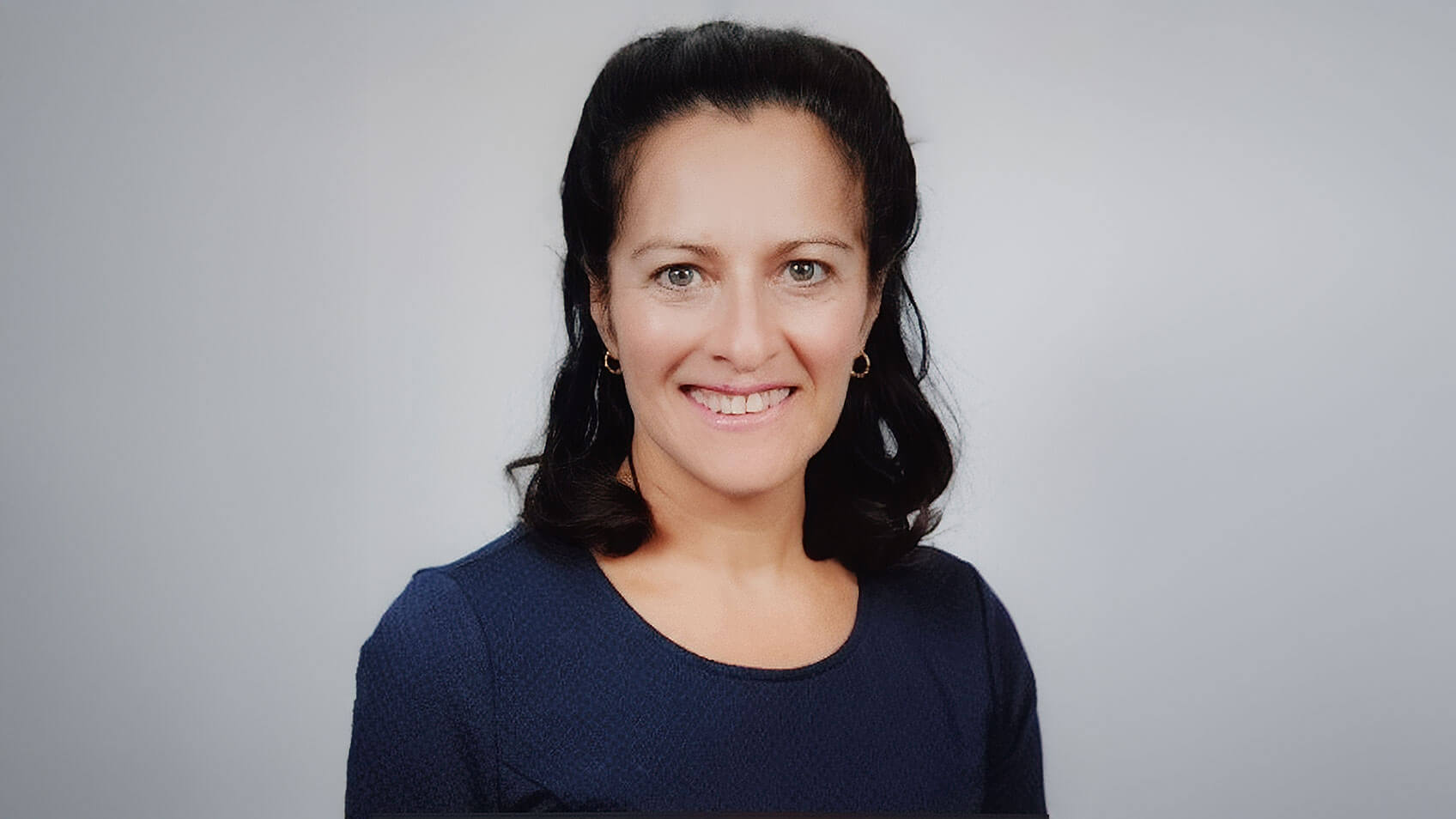
Patricia Wilkey
Senior Vice President & General Manager, International Sales, Lenovo
A proven leader leveraging operational excellence and expertise in highly successful global teams, Patricia Wilkey drives go-to-market activities in the Asia Pacific, EMEA, North America, and Latin America regions. She oversees direct and indirect sales of AI-enabled offerings, including Digital Workplace Solutions.

Balancing the Promise of AI With the Need for Sustainability
Marshae Mansfield, Vice President and General Manager, Global Accounts, Lenovo
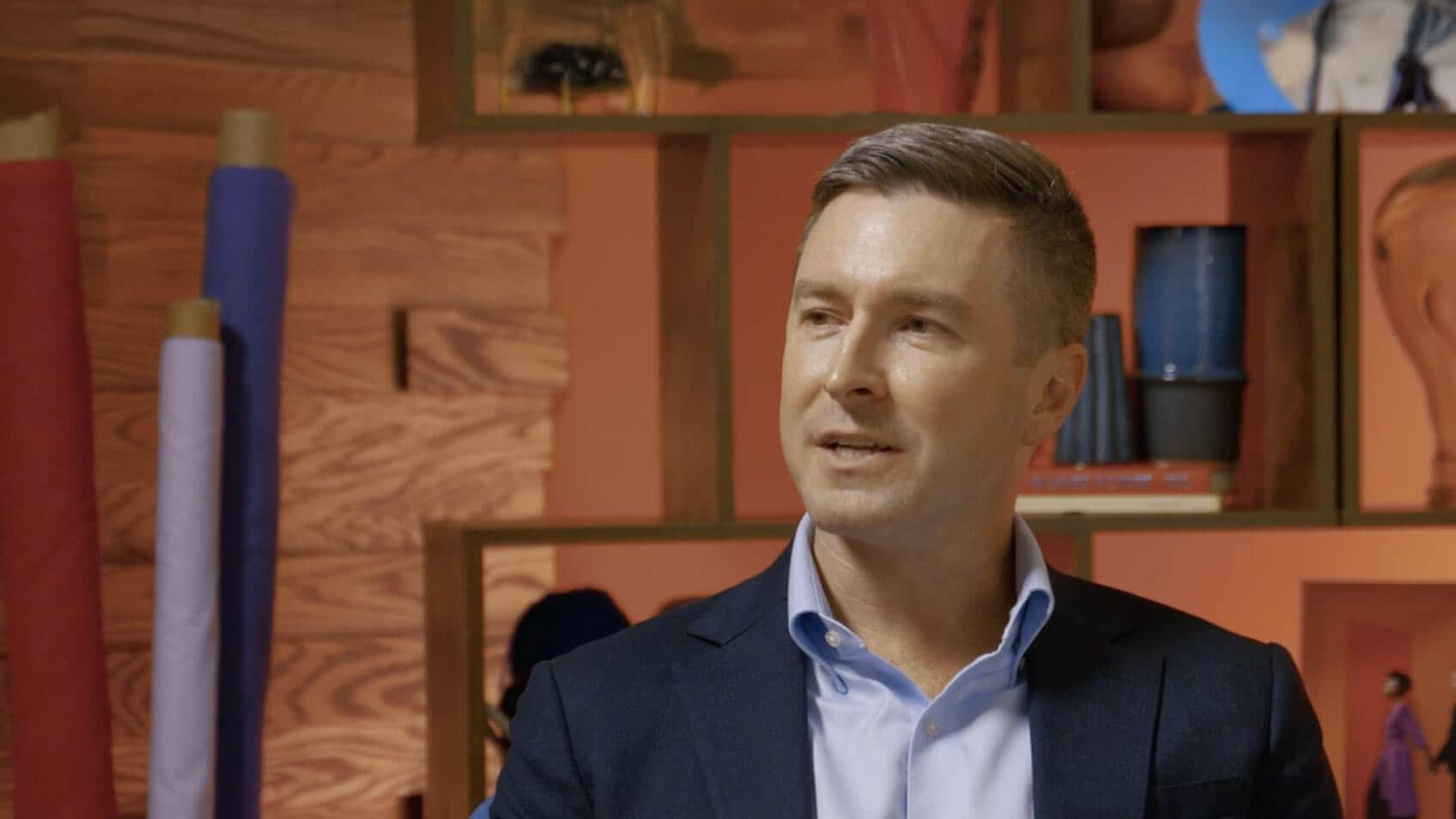
Embracing Circularity as a Sustainable Practice
Matt Jones, Vice President of Strategy and Operations, Commercial Segment, Lenovo

A Cooler Approach To Powering the Future of AI
Featuring Scott Tease, Vice President and General Manager, Lenovo Infrastructure Solutions Group
Contact Us
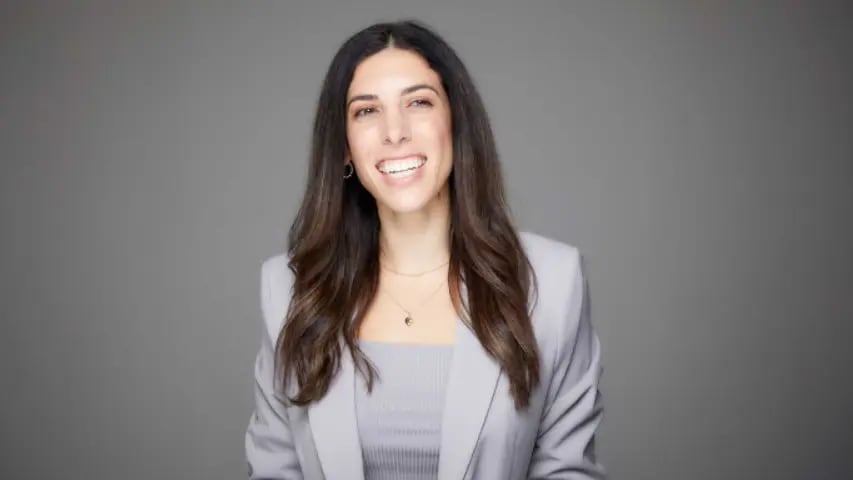
Meet Your Host,
Alexa Carlin
Alexa Carlin is an in-demand public speaker, bestselling author, top content creator for women's empowerment, and the Founder of Women Empower X. Alexa has worked with Fortune Global 500 brands to create captivating and relatable content. She has been featured on the Oprah Winfrey Network, Cheddar TV, FOX, ABC, CBS, TEDx and in Entrepreneur, Glamour Magazine, and Forbes, among others.

