
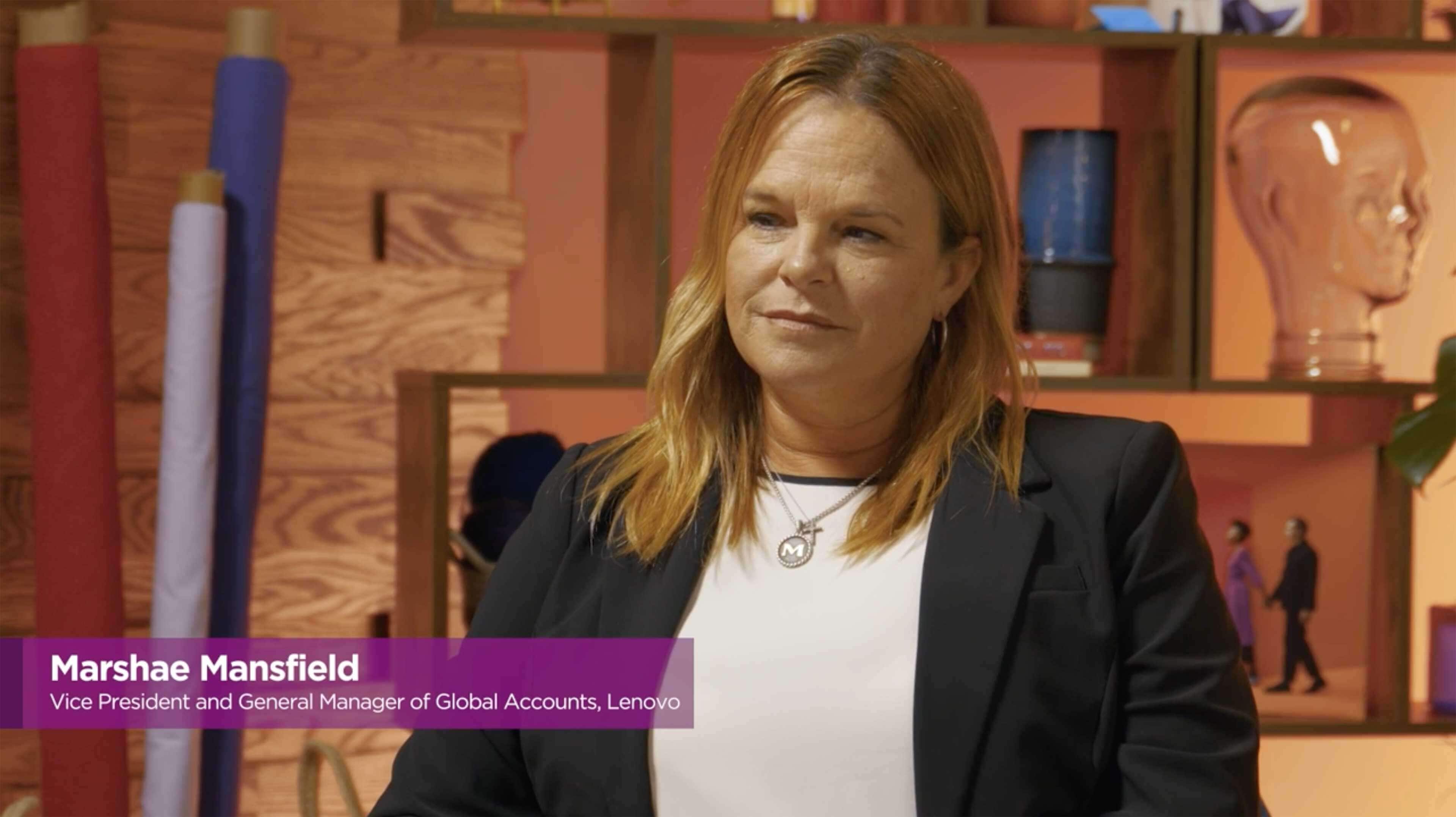
View Transcript
Alexa Carlin (00:37):
Hello and welcome to Accelerating Your AI Journey. I'm your host, Alexa Carlin, and today we're talking about two topics at the top of every business leader's agenda, AI and sustainability. Specifically how AI is helping organizations improve their sustainability efforts in ways never before possible. Joining me today is Marshae Mansfield, Vice President and General Manager of Global Accounts at Lenovo. Welcome.
Marshae Mansfield (01:08):
Thank you, Alexa. Happy to be here.
Alexa Carlin (01:09):
Yeah, so happy to talk to you about this topic. So just tell us a little bit about yourself.
Marshae Mansfield (01:14):
Sure. I have been in technology for the better part of 30 years with both IBM and Lenovo. So currently, as you said, I'm responsible for our global account business. So think of it as the Fortune 350. Our top accounts across the globe, which can be quite complex dealing in multi-country geographies. But it's cool stuff and I love every day of it.
Alexa Carlin (01:36):
Yeah, that's awesome. So what inspires you about sustainability?
Marshae Mansfield (01:41):
Yeah, well, I have three children, so of course, in my heart you want to do the right things for the planet and for the people and all of those kind of things. But being in technology as long as I have, I also can see the impact over time that manufacturing plants and technology and energy and all of those things work together and fast forward to AI and how much energy that creates and how much power that that brings to the environment. When you combine sustainability with innovation and figuring out how to make those work together, it's on the top of every company's mind today.
Alexa Carlin (02:16):
Yeah. Well, I have twin boys, so definitely sustainability is very important to protect our planet. So you said it's on the top of every conversation. That's a good thing.
Marshae Mansfield (02:26):
That's a great thing.
Alexa Carlin (02:26):
So what are some of the specific things you're hearing from your customers?
Marshae Mansfield (02:29):
Well, as I was saying before, the great thing about AI is that it allows you to be more efficient. It allows you insights into your business that the planet has never seen before. But with those computations and those large data centers, it requires a tremendous amount of energy. How do you cool those? The cost of cooling some of these. So then you have to look at, okay, how do I do things differently? And how do I, if I'm a CIO, and most of them historically, have been about an end-user experience, so you give them a great laptop and they use it and they have a great experience because it works and it provides the information that they need. But now, fast forward to AI when it is so many computations. And so they have to not only provide a great experience, but they have to think about reducing their carbon footprint as well. And how do I run these devices cooler, not requiring as much energy to meet their sustainability goals.
Alexa Carlin (03:26):
We read about that 83% of CIOs say that sustainable metrics are top of what their focused on, as well as what their department evaluations are based on. So with that, what kind of pressure does it put on IT leaders?
Marshae Mansfield (03:43):
Yeah, an exorbitant amount. And I would honestly say it's probably a little higher than 83% from my personal. Because it really is a conversation of every customer that we meet on a daily basis. So you think about AI, where are you storing your data in these massive data centers? Then they get the opportunity to be creative and imaginative in their environment of how do they power and cool these systems with things like water that historically would never be included in a data center environment because it's too risky. But now with some of the controls and again, their KPIs and they're evaluated on how they're meeting their sustainability targets, they really have to think about everything from how is this packaged and shipped to me to after three to four years, how do I dispose of it in the best manner possible? And that's what one of the fun things about my job, is Lenovo offers some great solutions in that area that we can go in and be advisors. Not just providing one point of the life cycle of a device, we can really help end to end.
Alexa Carlin (04:49):
Oh, so you have consultants that go in and really look at every single pinpoint to help these IT leaders meet those metrics?
Marshae Mansfield (04:57):
We absolutely do.
Alexa Carlin (04:58):
Okay, very cool.
Marshae Mansfield (04:59):
Absolutely. And there are some tools that we have come up with that we use internally. One that's coming top of mind because manufacturing plants are energy intensive and making sure that the goal is still reducing Lenovo's carbon footprint. As I said, we have sustainability goals internally as well. And to have AI powered tools to be able to look at environmental social governance and be able to bring that data back in-house so you can make data-driven decisions, which instead of sometimes going with your gut is good, but when you're talking about plants all over the world and stuff, data really drives the behavior, which is good.
Alexa Carlin (05:39):
That leads to a question I was going to ask a little bit later, but we'll talk about it right now. Can you share some examples of how Lenovo is using AI to produce more sustainable outcomes?
Marshae Mansfield (05:48):
Sure. Yeah, that was just one example with the plants. We also look at, Covid brought technology in the hands of pretty much every person on the planet and a lot of school systems, health systems as well. So when you look at the life cycle of that device, you look at how are those recycled? How are we, Lenovo, looking at bringing parts and stuff back into our environment and be able to refurbish those machines to extend the life cycle of that so we're not creating new components that the tools that we have internally can help us as well as help customers be able to make those decisions.
Alexa Carlin (06:29):
Yeah, it's very exciting.
Marshae Mansfield (06:30):
It's exciting.
Alexa Carlin (06:31):
Yeah, I think that's what people need to focus on because obviously there's a lot of talk about how much computing power it takes, what the carbon footprint and a lot of negative things. Even just the human to human interaction or job loss, some people believe. And so I love that you're focused on, "look at how exciting it is and look how fun it is," and all the innovation and how we can make life better.
Marshae Mansfield (06:56):
Right. And you have to get on board because it's here, it's coming, and there are a lot of valuable things that technology and that we can do for customers. Whether you're in an healthcare environment and you're trying to diagnose a disease by looking in the brain and looking at all these computers. Whether it's in a child school system and they're using the technology and they're doing predictive analytics and all of the things that it's teaching. And in this generation going into the workforce, working for companies that are sustainable, most people that I interview today ask about our sustainability goals and ask about what we're doing. They're very interested in it. And it is really a very socially conscious generation, which gives me hope going into the future that we all will jump on board and make sure that we're reducing our carbon footprint and creating a better place and a better world.
Alexa Carlin (07:53):
Yeah, definitely. It's so crazy to think about the things that our kids will be learning when I literally took a typing class. I remember that in middle school, learn how to type without looking down at the keyboard.
Marshae Mansfield (08:05):
Oh, exactly.
Alexa Carlin (08:05):
Yeah. It's crazy innovation.
Marshae Mansfield (08:07):
Yeah, but if you look at most even two-year-olds, the second they can hold a bottle, they're holding a phone. So you look at this generation coming up and then they're going to be the ones making these business decisions and coming up with these creative ways to not only provide a great experience and provide value for their company, but they're also giving back and thinking about ways that probably I wouldn't have done when I joined in technology in the early '90s.
Alexa Carlin (08:35):
Yeah, wow. So we talked about IT professionals are very focused on following certain things to meet their sustainability metrics that their department's evaluated on. But what are some other benefits that they should be focused on regarding incorporating AI into the workplace?
Marshae Mansfield (08:55):
Sure. Well, that's where the fun part begins, because then you look end-end, right?
Alexa Carlin (08:56):
Mm-hmm.
Marshae Mansfield (09:01):
So they are looking at, okay, how is Lenovo shipping my thousands and thousands of computers? I mean, these companies are literally purchasing tens of thousands of computers and massive data centers. So then you look at transportation. Are you doing air? Are you doing both? What kind of savings can I recognize there? Are you using sustainable packaging to be able to, not claim that, but to be able to denote it on your end-of-the-year evaluation on how your company performed against their goals, Predictability. You get on a life cycle and building computers that will last longer. So you're creating not as many because they last longer, so you're not churning your manufacturing site, making more parts that perhaps you don't need. So what's interesting is when they look at all of the spectrum of how you can save in really each phase of a deployment, a life cycle, that's where they start getting all jazzed up and talking to our teams about how we're doing it internally and how our recommendations for their companies to adopt some of these practices.
Alexa Carlin (10:14):
Mm-hmm. So yeah, there's so much you can think about and it's really just thinking outside the box. It's not just with the technology itself. Like you said, it's even the packaging.
Marshae Mansfield (10:22):
Right.
Alexa Carlin (10:23):
So what are some of the challenges when you're looking at the full scope of it that IT leaders may face with trying to incorporate all these different sustainability practices?
Marshae Mansfield (10:34):
Yeah, some of the things I've heard is the budgets never seem to go up. They always seem to get crunched. So IT always tries to optimize and to be efficient with however much budget that they have. So I have X amount of dollars and I need to spend them wisely, but also be conscious of some of the goals that their leadership team and their company has set out. And with sustainability, you want to make sure that you're doing the right thing, but that it also is not over extending your budget. So these are conversations of, we have a tool internally that we use called LISSA, which is a sustainability advisor, think of it something like that, where it'll take a snapshot of your organization and make recommendations. Okay, currently, you're doing it this way today. Have you thought about doing this? Maybe shipping a certain way or doing manufacturing a certain way with AI? Then you can save on energy costs. Your device costs may go up, but you have to look at the whole equation.
(11:37):
So again, I mean, when you're talking to CIOs and they used to say, and even a salesperson, say, "This is my ThinkPad. It's a fantastic device. Your user will be really happy." And they test the device and look at it and then say, "Yeah, it's great," and they deploy it. Now they're having to look at a number of different things and sustainability is one pillar in some of the things that they're looking at, a very important one. And like you said before, 30 years ago, this was not in a conversation when I was with a customer.
Alexa Carlin (12:10):
Right. And we talked that AI is so quote-unquote "new," but really it's been in the conversation for a while now. Maybe not 30 years, but it's been this thing that's just growing and I think it's just getting quicker and quicker in the face of more workplaces and enterprises incorporating it internally and externally for their customers.
Marshae Mansfield (12:33):
Exactly. And the question is, how do I use it efficiently? How do I do it to make the end users more productive? How do I put all of this hardware in an environment where a state, if you're in North America, may have rolling blackouts to make sure that you're cooling it in the proper way? So all of these things are kind of going through their minds. And part of what our team does, as I said before, is act as advisors, because Lenovo is going through this as well. We have plants all over the world. We have over 70,000 employees that we have an end user experience with our device as well. As I mentioned, we have our sustainability goals. So some of this is you go through the journey together and you find that we face similar challenges internally as well as talking to our customers externally, which is why we're developing some of the solutions that we were mentioning earlier.
Alexa Carlin (13:32):
So what are some areas in the IT lifecycle leaders might not be thinking about when it comes to improving sustainability?
Marshae Mansfield (13:40):
Yeah, there's quite a few. And like I said, with everything that they have on their plate, certainly understandable that they may not recognize that if you ship, for example, by boat versus air, you can recognize X amount of savings. Some of the things we talk to them about are different personas. Perhaps you need a lower powered PC versus a higher CAD based engineering PC. So if you do different personas within your organization, the energy savings can be quite dramatic, which is not only great for the bottom line of a company, but also environmentally friendly if you're not pulling as much power to run all these devices. Those are some of the big ones. We also talk about how do you cool the data centers? And like I said, water has been coming up more and more as energy costs rise, as energy is more available in some places than others.
(14:41):
So you really have to look at alternative methods because as I said, these systems and these big data centers are just power intensive devices with the computations that are being run, they really have to get creative. And that is honestly where you work together because you may treat a data center in California, for example, very differently than you would treat a data center in Bangalore, for example. And what I love about my job personally, is I get to see a lot of the different geographies in a lot of different countries, how they work together. And my team is present to be able to give that feedback to customers of, "Oh, I've seen it done this way. You may want to think about it." Or "I've seen it done this way with water. You may want to think about it in your environment." And then we'll go in and we'll do a small little pilot or proof of concept to make sure that it's working for the customer and it's providing all the benefits that we think it could. And then you scale from there.
Alexa Carlin (15:36):
So it's very customized.
Marshae Mansfield (15:37):
Very customized.
Alexa Carlin (15:38):
Which helps with your own not using more power than you need.
Marshae Mansfield (15:42):
Exactly. And that's where the benefit of some of the tools come in is to be able to go in and run these applications in your environment to take a snapshot of your organization, because a hospital will be run very differently than maybe a manufacturing plant versus a school system versus someone in a rural county. So to be able to have AI applications to go in and make recommendations for you to dig a little deeper and to be able to identify... If you're starting on this journey of sustainability and AI, AI has been around a while, a lot of customers are still questioning where is it beneficial and where do I need it and where can it provide value for my organization? So it is very customized, and that's the beauty of acting as an advisor role is you go in and you really learn an environment to be able to make useful recommendations of how to go forward.
Alexa Carlin (16:39):
Yeah, I mean, you need to know even the path, the outcome that you want. And if you don't know that, it's like, "Where do I even start?" So Lenovo can help with that.
Marshae Mansfield (16:48):
Absolutely. It's not out of the box. And my particular space, covering the global accounts is it's verticalized because like I said, a hospital works very different than a retail store distributed environment and all of those type things. So we absolutely do. There will be tools that are common because they go in and they provide data output to the customer and Lenovo to be able to make recommendations. But once you get the data, you've got to figure out what to do with it, and you've got to analyze it and figure out what the proposal is. And that is a lot of working very closely hand in hand with our customer to solve internal customer problems as well as solve some of the world's problems.
Alexa Carlin (17:32):
Yeah. So two more questions for you.
Marshae Mansfield (17:34):
Okay.
Alexa Carlin (17:34):
One is just do you have any story in your work, your personal work with utilizing AI, whether it's sustainability or it's something different of just some mind blowing solution that you discovered by utilizing AI solutions or something where it's like, "Wow, I never even realized this was possible"?
Marshae Mansfield (17:56):
Yeah. I mean, there are a couple, but I think when I took this particular job about eight months ago, and we have an automotive vertical, so there are some AI tools that can go in and predict failures in cars before they happen. They can predict quality. So there's a car company that I will leave the name out, but very famous for their quality. And so we worked together with them on how do I reduce, even though they were at 99%, how do I get it to 99.5% of when I deliver a custom car to someone, it will not fail? And based on an AI tool that we used, it could detect if a little sliver in a cord that went through the car could potentially fail. So it sent an alert saying "You should probably change this. Even though it passed quality, there is a better than likely chance that it may fail," and then it increases your 99% to 99.5%.
(19:00):
So stuff like that. And then working with retail customers of how do you put people through lines faster? How do you make to-go orders more accurate based on AI and all of that kind of stuff, which you'll probably see coming in the future, but we're working on with some people now.
Alexa Carlin (19:17):
Wow, I need to know about that car manufacturer when we get off. And yeah, it would be great to know what is the line at my coffee shop before I say, "Oh, what time do I need to leave to make sure I get my morning latte?"
Marshae Mansfield (19:31):
Well, there's some cool tools out there now.
Alexa Carlin (19:33):
Oh, really?
Marshae Mansfield (19:33):
On a Motorola phone, if a meeting gets canceled, there's an AI tool that can alert you that says, "Your meeting was canceled. Do you want your latte at the Starbucks? I'll go ahead and place the order. And traffic is a little heavier on your normal route," and it will give you a recommendation of how you need to adjust your morning.
Alexa Carlin (19:51):
It's a full assistance.
Marshae Mansfield (19:51):
It's crazy. Yeah, full assistance.
Alexa Carlin (19:53):
That's crazy. Okay, last question. What does smarter AI for all mean to you?
Marshae Mansfield (20:00):
Oh, that's a big, big bold question. I think personally, I see the effects that the next generation and my children coming into the workplace is having. They're starting to interview for internships, they're asking these questions, they're asking socially responsible questions. So for me, in that generation, it's really cool. They grew up with technology and I'm very much looking forward to see how they're going to change our future. From a technology standpoint, it's really amazing for me to see how we innovate with healthcare customers to be able to really affect people's lives on a daily basis, and then we can turn around and affect an automotive customer of delivering a great experience to a customer. So for me, AI for all means individualized and customized, and everyone wants technology, but they may want to receive it and give it a little bit differently. And the thing I love about my job is we can create that. It's really cool stuff.
Alexa Carlin (21:02):
Making the world a better place.
Marshae Mansfield (21:03):
Making the world a better place.
Alexa Carlin (21:05):
Well, thank you so much. It's been amazing speaking to you and learning from you.
Marshae Mansfield (21:08):
Well, thank you for having me today.
Alexa Carlin (21:09):
So again, I'd like to thank my guests, Marshae Mansfield, Vice President and General Manager of Global Accounts at Lenovo for stopping by and talking with us today. And thank you for watching. Visit us online to learn more about how Lenovo can support your sustainability efforts while accelerating your AI journey on the road to smarter AI for all.
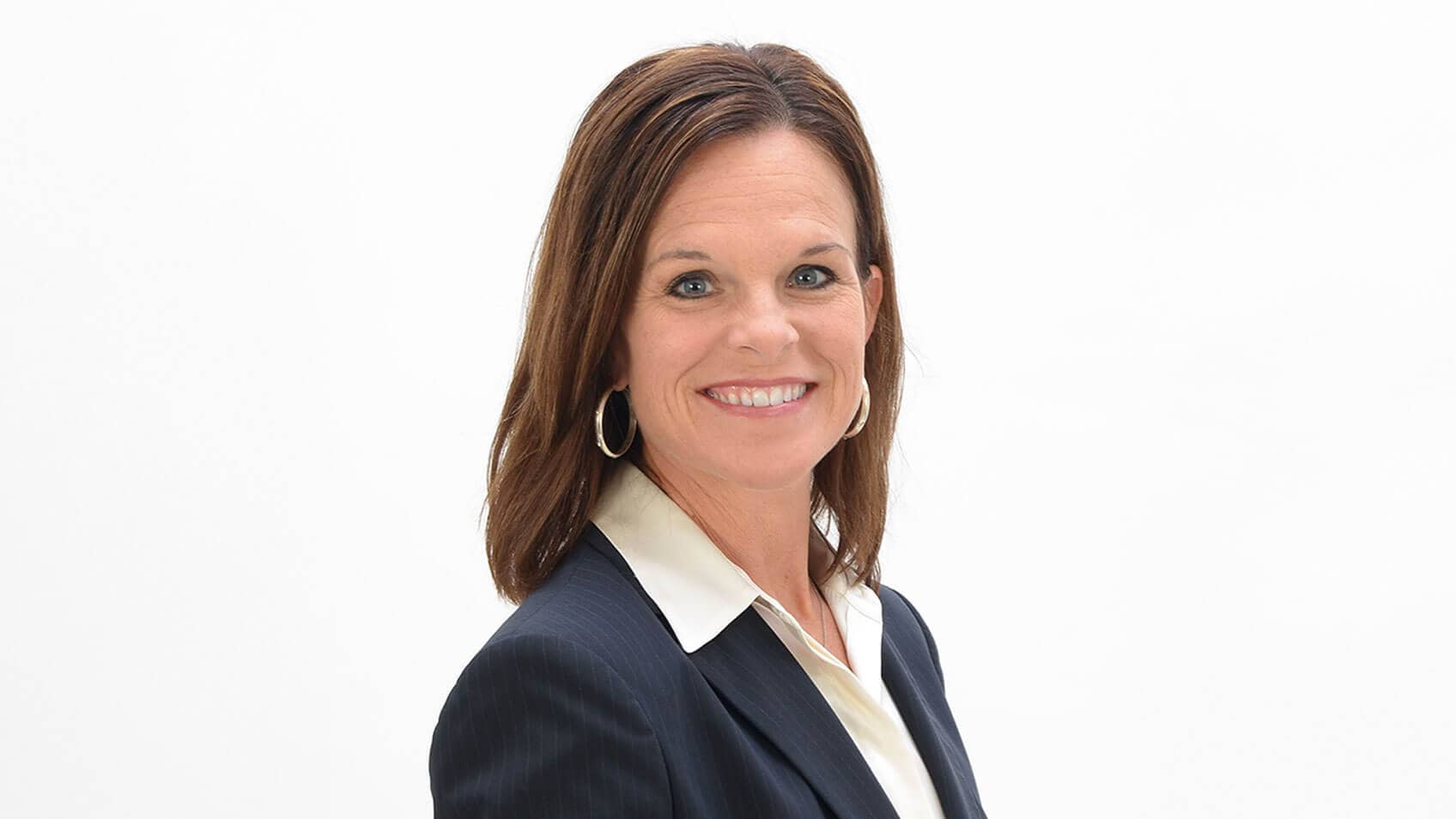
Marshae Mansfield
Vice President & General Manager, Global Accounts, Lenovo
Marshae Mansfield is a results-oriented Lenovo executive with a track record of over-achieving. Her areas of expertise include financial and business acumen, the ability to lead and motivate a sales team, and building customer relationships. Prior to her 14 years at Lenovo, she was with IBM for 13 years.
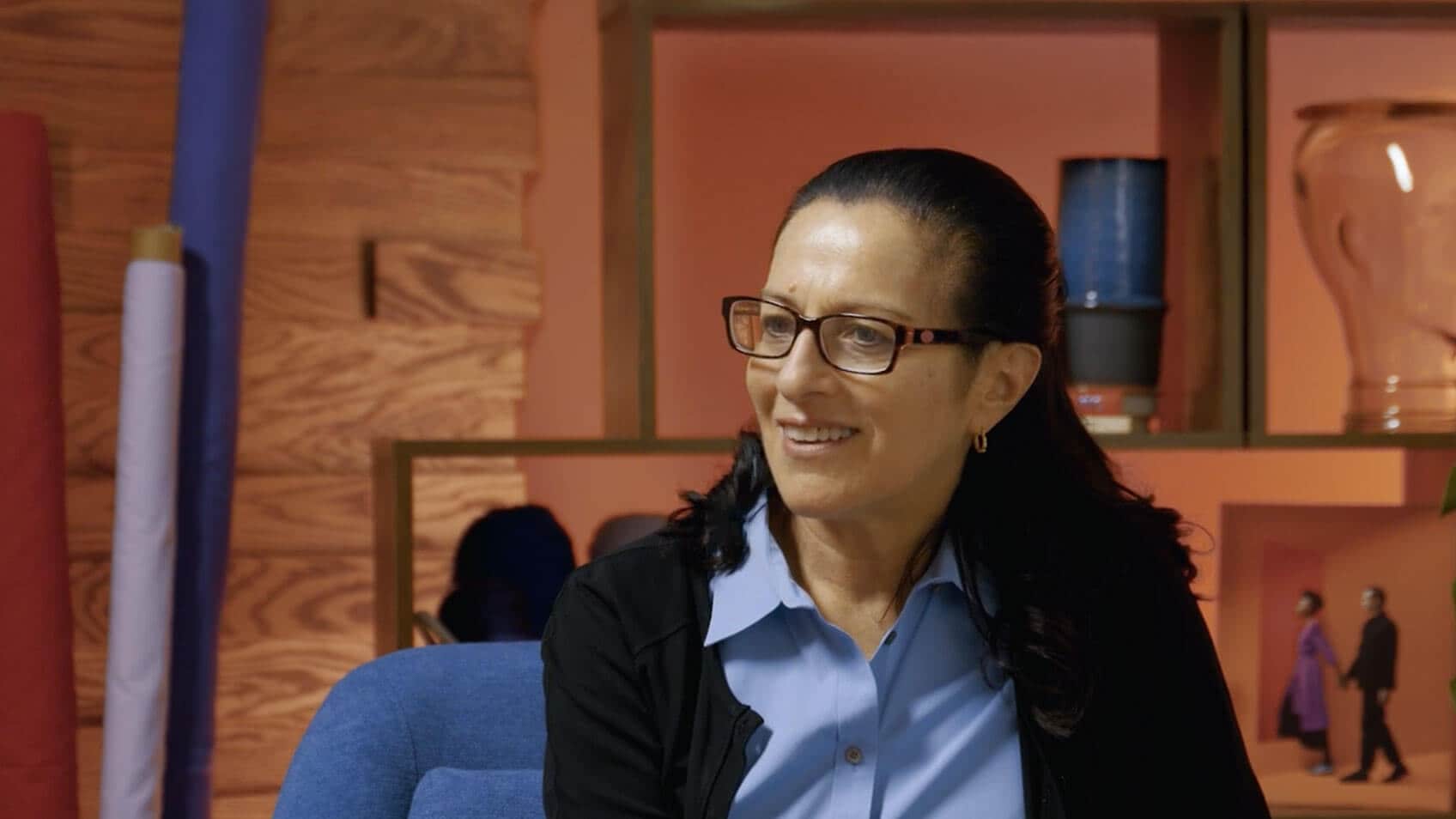
A Refreshing Approach to Technology Refreshes
Patricia Wilkey, Senior Vice President and General Manager, International Sales, Lenovo
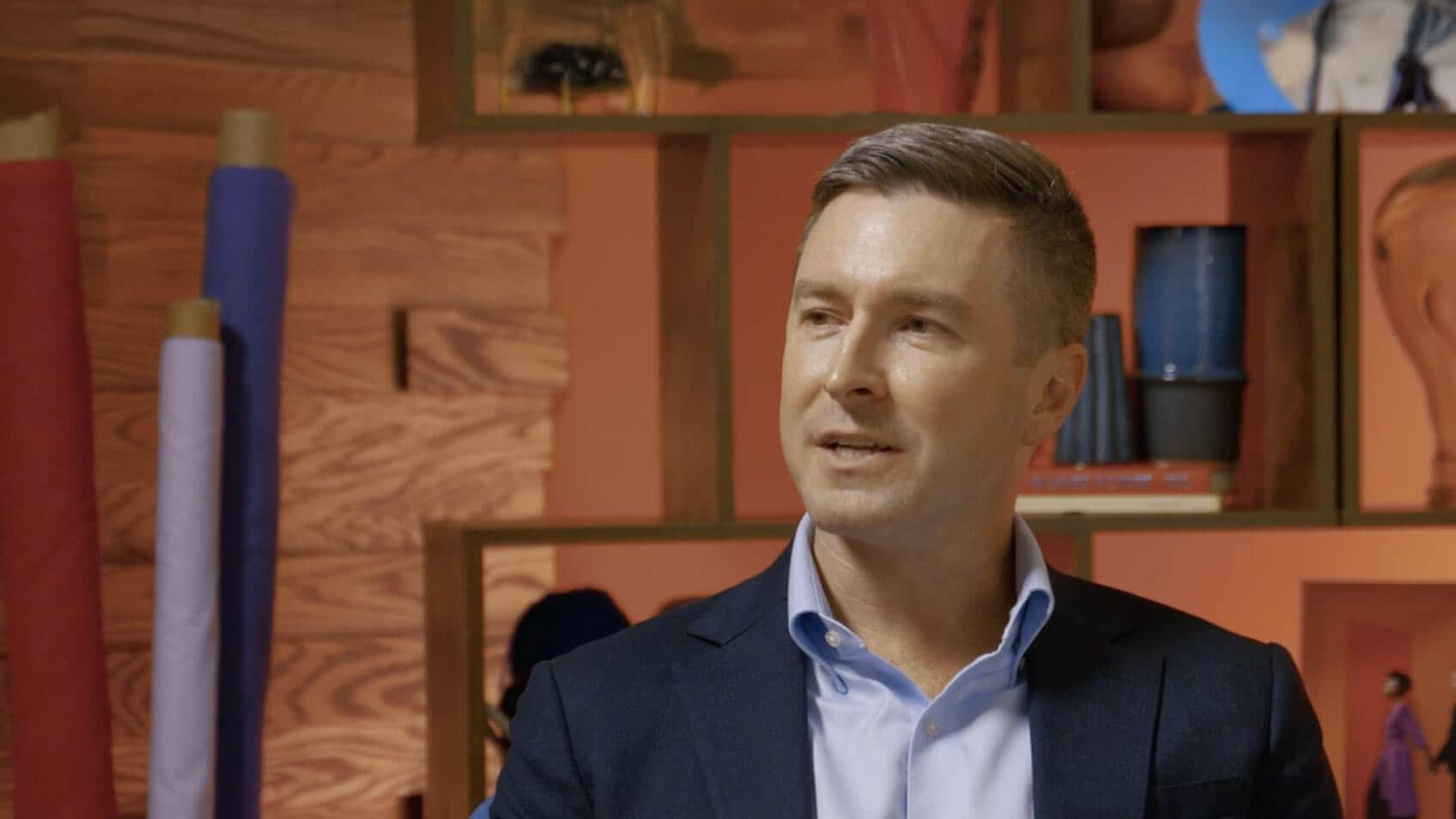
Embracing Circularity as a Sustainable Practice
Matt Jones, Vice President of Strategy and Operations, Commercial Segment, Lenovo

A Cooler Approach To Powering the Future of AI
Featuring Scott Tease, Vice President and General Manager, Lenovo Infrastructure Solutions Group

Embracing AI & ROI
Simplify your AI journey and accelerate business outcomes with Lenovo’s AI Services and TruScale.

Empower Employee Experiences with AI
Learn how to empower your teams to do more with AI-powered tools and Lenovo’s Digital Workplace Solutions.
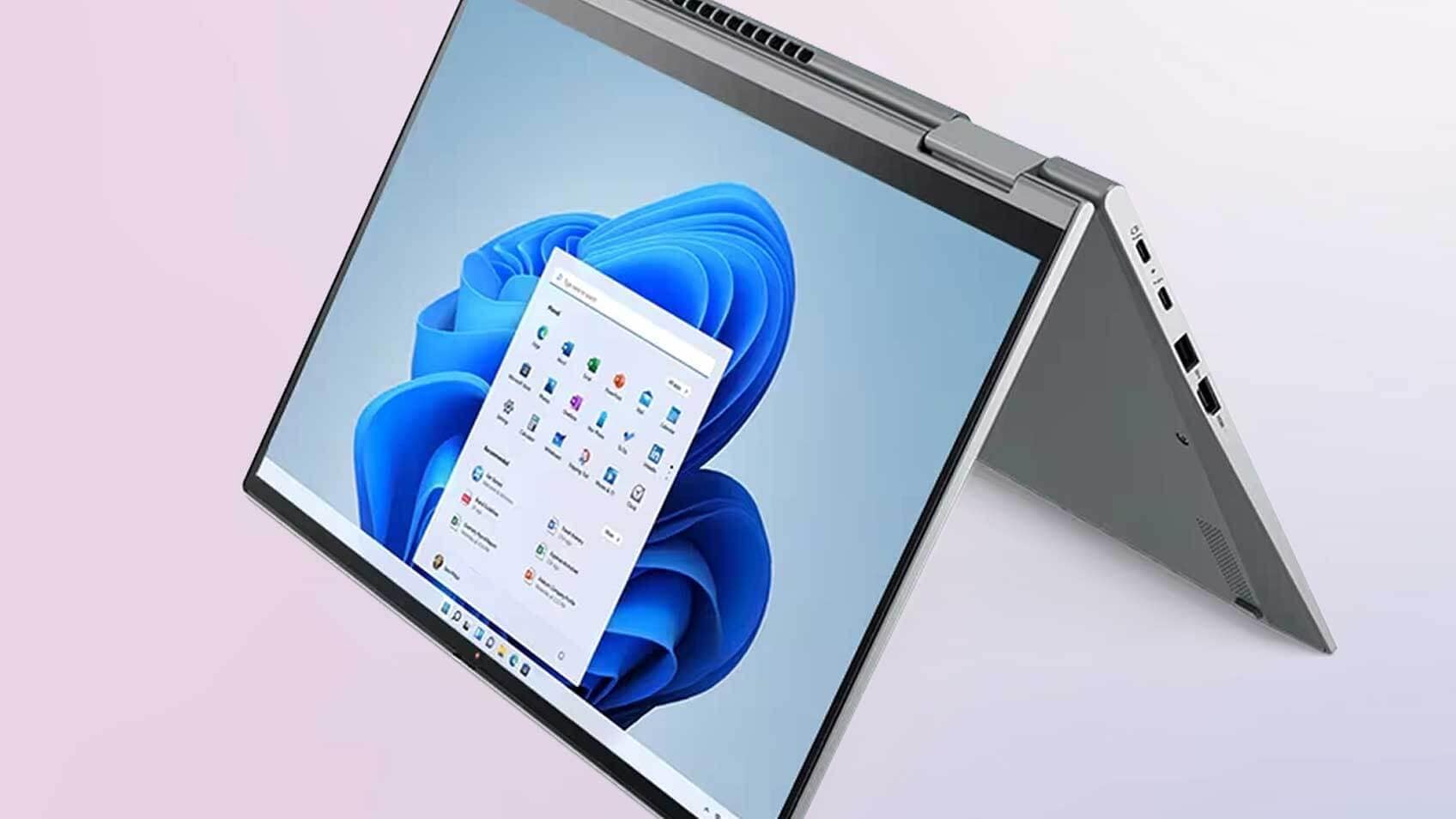
Windows 11 Migration
New episodes in May
Provide more powerful experiences and consistency with better security for all.
Coming soon

AI PC
New episodes in June
Streamline and enhance everyday tasks with smarter AI that’s personalized for each user.

Hybrid AI – AMD
New episodes in July
Find the perfect balance of hardware, software, and services that’s built to fit your architecture.
Hybrid AI – NVIDIA
New episodes in August
Achieve greater productivity, privacy, and agility with tailored AI solutions.
Contact Us
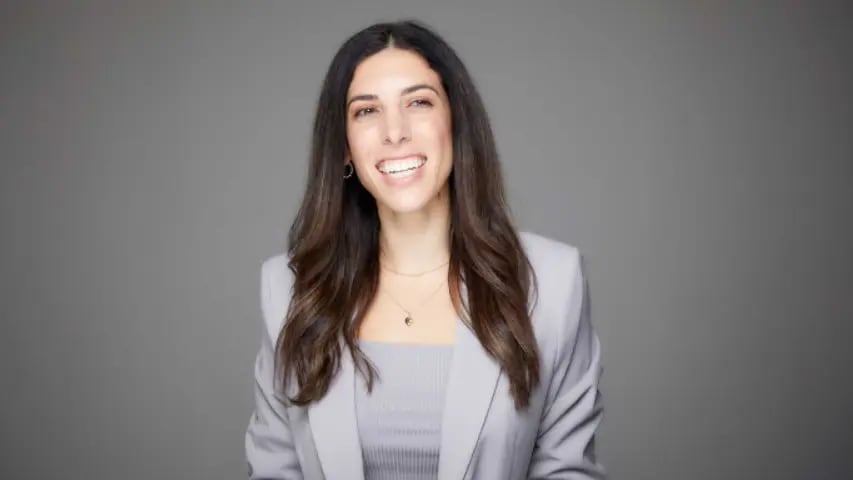
Meet Your Host,
Alexa Carlin
Alexa Carlin is an in-demand public speaker, bestselling author, top content creator for women's empowerment, and the Founder of Women Empower X. Alexa has worked with Fortune Global 500 brands to create captivating and relatable content. She has been featured on the Oprah Winfrey Network, Cheddar TV, FOX, ABC, CBS, TEDx and in Entrepreneur, Glamour Magazine, and Forbes, among others.

