
View Transcript
Alexa Carlin (00:36):
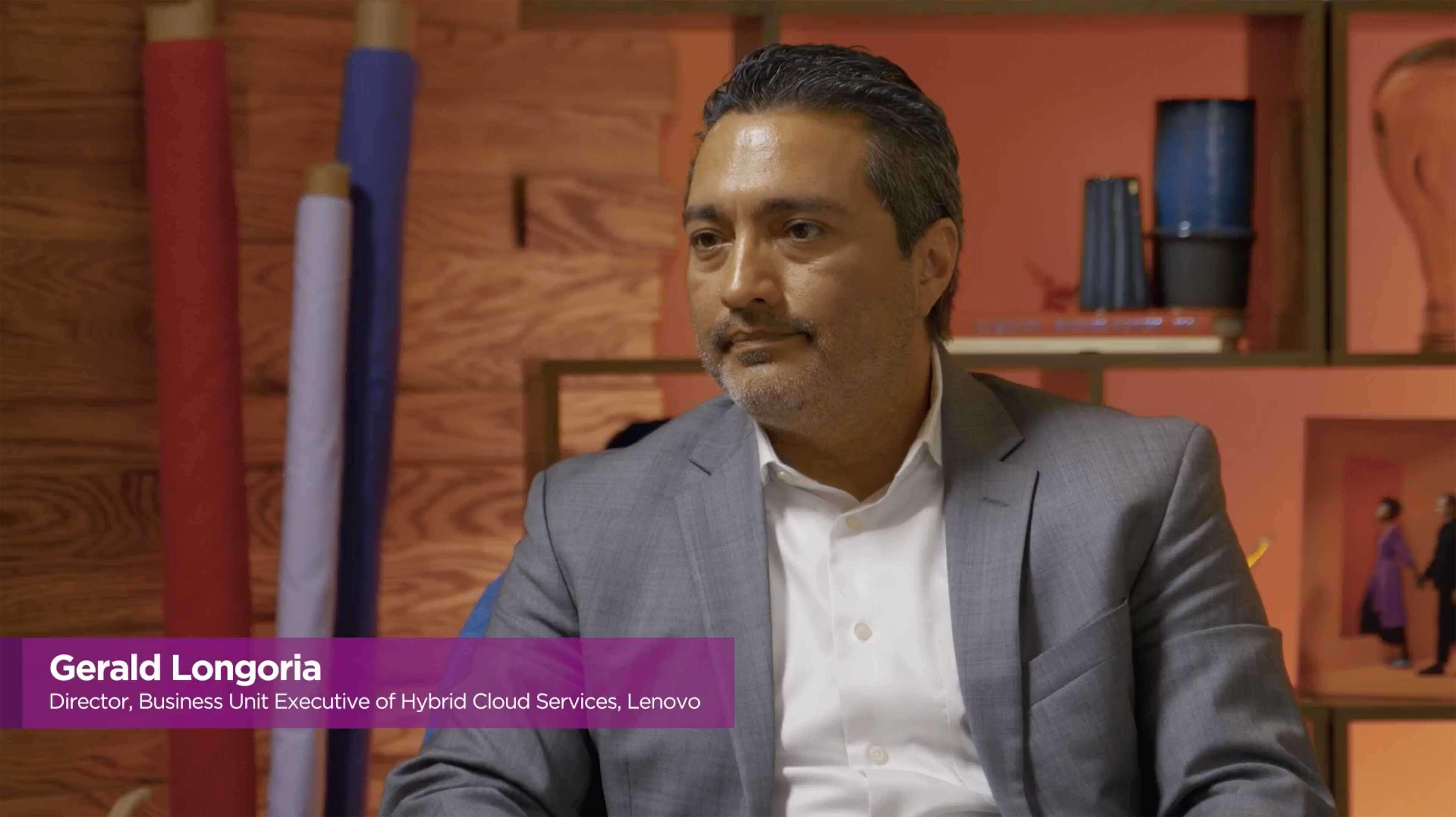
Hello and welcome to Accelerating Your AI Journey. I'm your host, Alexa Carlin, and today we're talking infrastructure needs for AI applications. With AI evolving so quickly, how can organizations keep up without exhausting their budgets and their IT teams? Joining me today to discuss some innovative solutions to this challenge is Gerald Longoria, director, business unit executive of hybrid cloud services at Lenovo. Welcome.
Gerald Longoria (01:09):
Thank you. It's good to be here.
Alexa Carlin (01:10):
So great to have you. So just tell us a little bit about yourself and your role at Lenovo.
Gerald Longoria (01:15):
Sure. So I lead offering development for our hybrid cloud services, and this is our as-a-service capabilities as well as our professional and managed services.
Alexa Carlin (01:27):
Amazing. So what are you hearing from customers as they begin to embrace AI?
Gerald Longoria (01:33):
Yeah. Well, it's such an exciting time to be in IT, and we certainly are getting a lot of feedback from CIOs about the possibilities of how AI can really help them address their challenges. Maybe you just think about some of the industries and some of the challenges that CIOs are facing today, like cybersecurity, where a data breach can result in hundreds of millions of dollars of settlement fees. Or if you think about loss prevention, that's a billion dollar problem in North America alone.
(02:07):
The medical industry where doctors are looking at AI as a way to get a second opinion on a medical image that could result in a faster decision and a better health outcome. And so there are so many examples like this. And the last thing I would say is that AI is no longer viewed as an option, but as an imperative. And CIOs recognize that this can lead to better outcomes, operational efficiency, and competitive advantage.
Alexa Carlin (02:41):
So you're hearing now the more of the conversation where everyone is on board, where they have to integrate it versus feeling like, "Eh, do we really want to do this right now?"
Gerald Longoria (02:51):
That's right.
Alexa Carlin (02:51):
Okay.
Gerald Longoria (02:51):
That's right. Yeah, and just think about it. I mean, think of our consumer lives where AI is infused, and we don't even think about it. If you pull up your mobile app, tells you where you parked your car or where it thinks you might be going. Or how your email system filters out what it thinks is malicious email or spam. And so we're seeing what's happened in our personal lives now starting to bleed over into enterprise as well. So it is a natural progression.
Alexa Carlin (03:21):
Yeah, definitely have seen that to be the recurring conversation right now. So knowing customers face challenges with budgets, resources, and in-house expertise, what makes as a service solutions in general so effective with today's changing IT landscape?
Gerald Longoria (03:39):
That's a really great question, and I think I would start out with the role of the CIO has changed. If we look back over the last five years, CIOs are no longer relegated to just the back office, making sure platforms are running, applications are updated, but they have a seat at the table now. And so they're sitting next to the business and they're thinking about the needs, the challenges, the business problems. Hey, I'm a bank, I'm a retailer. I'm a fast fashion retailer, I'm a manufacturer, and how they can help their business become more competitive, drive more market share, drive more profit. And so I think that's kind of foundational.
(04:27):
The other drivers really are doing more with less. Budgets haven't necessarily increased. In fact, you may not even have the same amount of staff. And so how can you do more with less? How can you continue to drive innovation for the business? And these are exactly the areas that as a service can help.
Alexa Carlin (04:50):
You're seeing it at the level of the manufacturing process to even just the retailer?
Gerald Longoria (04:56):
Absolutely. Supply chain, manufacturing, retailer, banking, research universities, it's really resonating. In fact, I think I saw a survey recently to IT professionals, and the question was, "How many of you want to continue to buy and manage hardware?" Only one in five said that they wanted to continue to buy and manage hardware. It's just not a good utilization of time and resource and capital.
Alexa Carlin (05:25):
Right. Well, if you're building the solution and they can get it right now without building this whole infrastructure.
Gerald Longoria (05:32):
Exactly.
Alexa Carlin (05:32):
Yeah. Why not? So what happens if, say, I'm a retailer and I'm incorporating AI and I want it into my entire supply chain to make things more efficient, but the manufacturer I'm using is not incorporating that technology yet?
Gerald Longoria (05:48):
Yeah, that's a great question. So there are definitely reference architectures. There are the opportunities to bring professional services that can help you implement those solutions. In fact, at Lenovo, we have a very comprehensive AI innovators program where we've brought over 150 different solutions for industry verticals so that you've got reference architectures, patterns and the ability to deploy those solutions on your existing infrastructure. It doesn't just have to be Lenovo. And so there are definitely ways that you can get access to the technology and implement it, even now.
Alexa Carlin (06:31):
That's great to hear. So that kind of leads into my next question, which are what factors can influence a customer's decision to go with on-premise versus hybrid cloud versus public cloud?
Gerald Longoria (06:43):
Yeah, that's a really good question. And I would say years ago as the cloud emerged, there was a significant focus on cloud-native applications. And many businesses saw a lot of success with that, creating mobile applications, running in the cloud, and that was great. But it turns out that not all applications are really appropriate for cloud. In fact, half of all applications and data are running on-premise, it's behind a firewall.
Alexa Carlin (07:19):
Half right now?
Gerald Longoria (07:20):
Half right now. Yeah.
Alexa Carlin (07:21):
Do you see that to be consistent in the next couple of years?
Gerald Longoria (07:24):
Absolutely consistent. In fact, I would say Lenovo's view of the future is hybrid. We definitely see the applications that are running in cloud probably will stay, but any net new deployments, our customers are really considering on-premise and as a service, so bringing the cloud to their data center behind their firewall. And are a lot of advantages to that. Just think about performance. Your data's here, it's behind your firewall, it's not having to travel across the internet. Think about security, my compliance, my security position, ensuring that I'm going to pass my audits. I've got dedicated infrastructure. It's not in a shared environment in public cloud.
(08:10):
So there are definitely a lot of advantages. And hybrid really gives you the best of both so that you can have resiliency, you can have a failover scenario. In fact, I've got one client in Latin America that was using a hyperscaler for their sales force, around 2000 sellers, and the hyperscaler went down for two weeks, and that resulted in lost revenue. And so we were able to come and help them deploy a private cloud on-premise. We still kept the public cloud, by the way, and we deployed an algorithm that sits in the middle that would check availability, it would check latency, it would check performance and decide where do I deploy this VDI session for the sales agent? 80% of the workload came to the private cloud.
(09:02):
And the customers are super happy because they have both. They have the resiliency, they have the burstability, and when times, when they have even more capacity needs, they've got that assurance that they can burst into the cloud. And so that's just one example of hybrid that we are seeing more and more of.
Alexa Carlin (09:23):
Do you see different industries need different things?
Gerald Longoria (09:28):
Oh yeah, absolutely. For sure. You've got highly regulated industries like the medical industry with HIPAA, that you've got manufacturing sites there oftentimes in remote locations, and connectivity is even at a premium. And so there are definitely drivers by industry that dictate the model that you can and should deploy. But definitely, and we've got options for all of those different scenarios.
Alexa Carlin (09:59):
So with AI solutions just continuing to evolve, how can organizations ensure that their technology keeps up?
Gerald Longoria (10:08):
Yeah, that's a really good question. And if you just think about how the evolution of AI and how fast it's growing, that's a really key consideration and challenge. Our approach at Lenovo has really been to be systematic about the way we approach solutions for our customers. We have a five-step process, in fact, that starts with a discover process. Really to sit down with the business, sit down with the IT leadership and understand, what is the problem we're trying to solve. Maybe AI isn't the right answer. Maybe it's a RPA, remote process automation. Maybe it's a chatbot, maybe it's a knowledge base. And so we're not jumping ahead to say, you need to deploy AI.
(10:54):
So we start with that discover workshop, and that leads to a more intense design session with our business analyst, our data scientist, to really ensure we can build a solution that's going to provide the outcome that our customer's looking for. And then at step three, we actually deploy an MVP, a minimum viable product with production data. So this is a pre-production environment where the client can see that they're going to get exactly what they're looking for. And only after that do we deploy into production. And typically we're going to use something like our TruScale infrastructure as a service and deploy that.
(11:33):
And then the fifth step is just to go back and ensure that we're getting the results. As models change, as we see refinements and enhancements to the large-language models to get better results, we'll keep those solutions current. And that's another benefit of as a service, is you have access to keep improving, enhancing, updating the solution, any part of the step.
Alexa Carlin (12:00):
And so you shoot out these updates to everyone that has that service?
Gerald Longoria (12:04):
Correct. Absolutely.
Alexa Carlin (12:04):
Okay. And what's the timeline from that five-step journey?
Gerald Longoria (12:08):
So from step one to step three, so the initial consultation to actually having a pre-production environment up and running, 90 days.
Alexa Carlin (12:16):
Oh, wow.
Gerald Longoria (12:17):
We call it a fast start.
Alexa Carlin (12:18):
Yeah, that's very fast. What would you say makes TruScale unique among as-a-service solutions?
Gerald Longoria (12:25):
That's a great question. And consistently, what we're hearing from our customers is we offer more flexibility and choice. And just to give one example, if you've invested heavily already in Microsoft technology, you've got Active Directory deployed, you've invested in Hyper-V, you're looking at AVD. We work with all of those solutions. We don't make you switch technology. And that's true across a number of leading ISVs, whether it's RedHat or Nutanix or Broadcom VMware. We offer a lot of flexibility and choice to meet customers where they are and bring the cloud model to them.
Alexa Carlin (13:07):
Which is great because nobody wants to have invested in all of these different solutions, and then they need your help. And then you're like, "Well, we need to start from scratch."
Gerald Longoria (13:18):
That's right.
Alexa Carlin (13:18):
So that's great. So tell us more about what it means to be pocket-to-cloud solution.
Gerald Longoria (13:24):
Okay. Yeah. Pocket-to-cloud, it's a phrase that we've used at Lenovo, and it really speaks to the breadth of the products and solutions that we can provide. From handsets, our Motorola handsets to tablets to leading laptops. ThinkPad is a world-renowned brand. To enterprise infrastructure from edge devices all the way to supercomputers, we've deployed some of the largest supercomputers in the world. But not only that, being able to deploy and support our customers when they choose a hyperscaler. So from pocket-to-cloud really just means we've got not only the products, the solutions and the services, it doesn't matter to us where you want to deploy your applications, we'll meet you where you are, because to us, cloud is not a place, it's an operating model.
Alexa Carlin (14:22):
So it's wherever you go.
Gerald Longoria (14:24):
Exactly.
Alexa Carlin (14:24):
It goes with you.
Gerald Longoria (14:24):
That's right.
Alexa Carlin (14:26):
It's like this little cloud that follows you along. One final question for you. What does smarter AI for all mean to you?
Gerald Longoria (14:35):
Yeah, that's a really good one, and one that I have to say makes me proud to be at Lenovo. We want to ensure that it's available to everyone, from a personal use all the way to enterprise. And that means having AI-powered devices, so handsets, laptops, workstations and solutions, enterprise solutions for AI. And the services to really help our customers unlock the value of AI as quickly as possible so they can see benefit.
(15:10):
And this means doing things that help humanity, that help individuals. One example is the work we're doing with the Scott Morgan Foundation to help capture the voice of persons with disabilities so that in the future, they'll still be able to speak to their children and say a lullaby or speak at a wedding. And so just things like that, that just really are powerful, but also that we're doing it securely and responsibly and ethically. So not just ensuring your data is secure, but ensuring we're doing it with transparency, with accountability and trust.
Alexa Carlin (15:54):
That's so amazing. And it's heartfelt. It's putting more of the human aspect in AI.
Gerald Longoria (16:00):
Absolutely.
Alexa Carlin (16:01):
I love that. Well, thank you so much for joining us and sharing your insights.
Gerald Longoria (16:05):
It's been my pleasure.
Alexa Carlin (16:06):
Again, I'd like to thank my guests, Gerald Longoria, director, business unit executive of hybrid cloud services at Lenovo, for stopping by and talking with us today. And thank you for watching. Visit us online to learn more about how Lenovo can help you accelerate your AI journey, on the road to smarter AI for all.

Gerald Longoria
Director, Business Unit Executive, Hybrid Cloud Services, Lenovo
As an offering management specialist with 20+ global product releases, Gerald Longoria is frequently called upon to close complex $100M+ deals with Fortune 100 companies. He’s built a career with some of the world’s largest technology organizations, where he thrives developing, commercializing, and launching go-to-market strategies for leading-edge technologies.
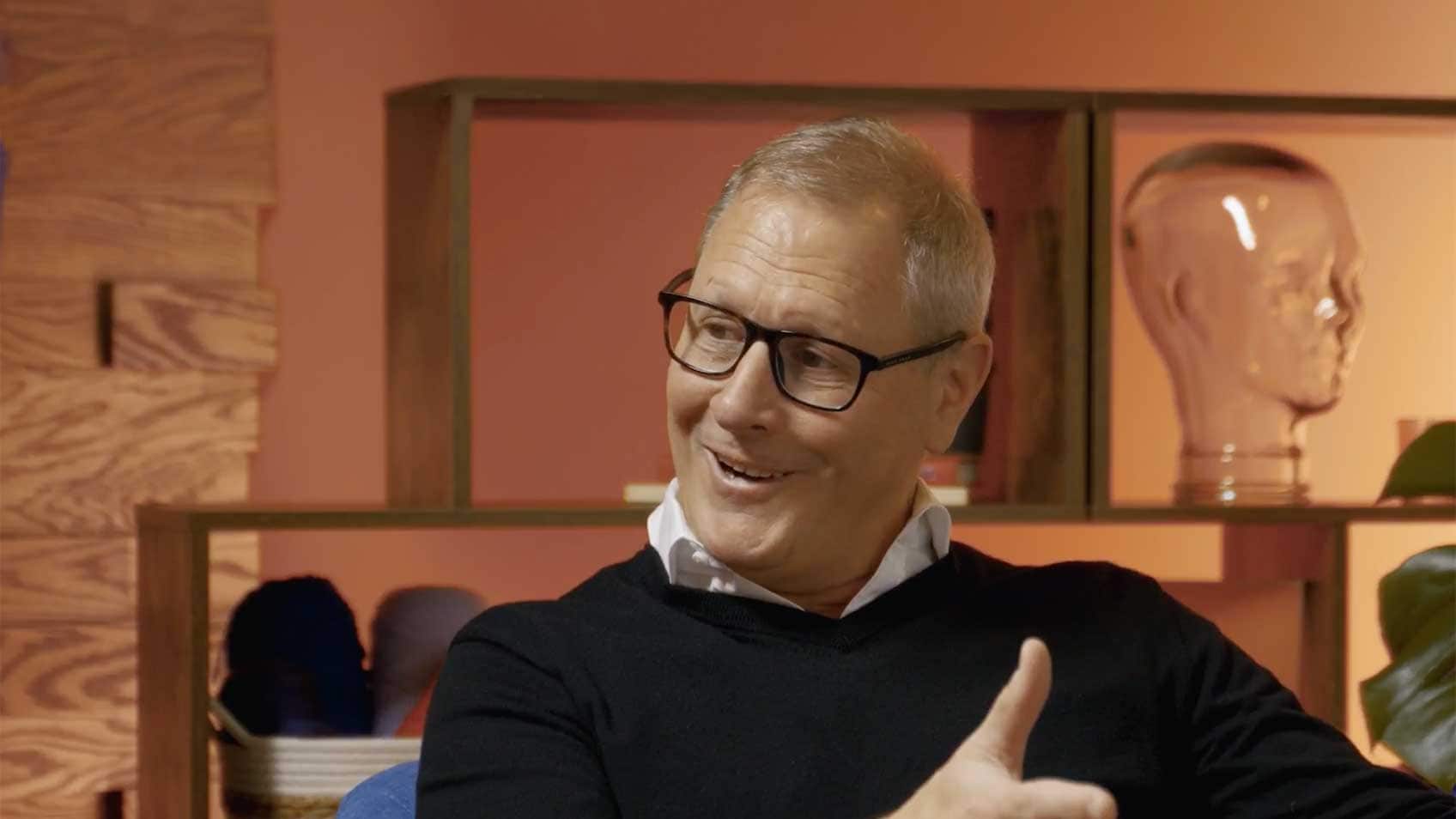
3 Tips for Scaling Responsible AI in a Global Enterprise
Rick Kreuser, AI Center of Excellence Tech Lead, Lenovo

The Best of All Worlds – Hybrid AI
Naomi Jackson, Global Marketing Lead, AI Solutions & Services, Lenovo

Navigating Sustainability in the AI Era
Find out how you can leverage AI and still meet your sustainability goals.

Empower Employee Experiences With AI
Learn how to empower your teams to do more with AI-powered tools and Lenovo’s Digital Workplace Solutions.
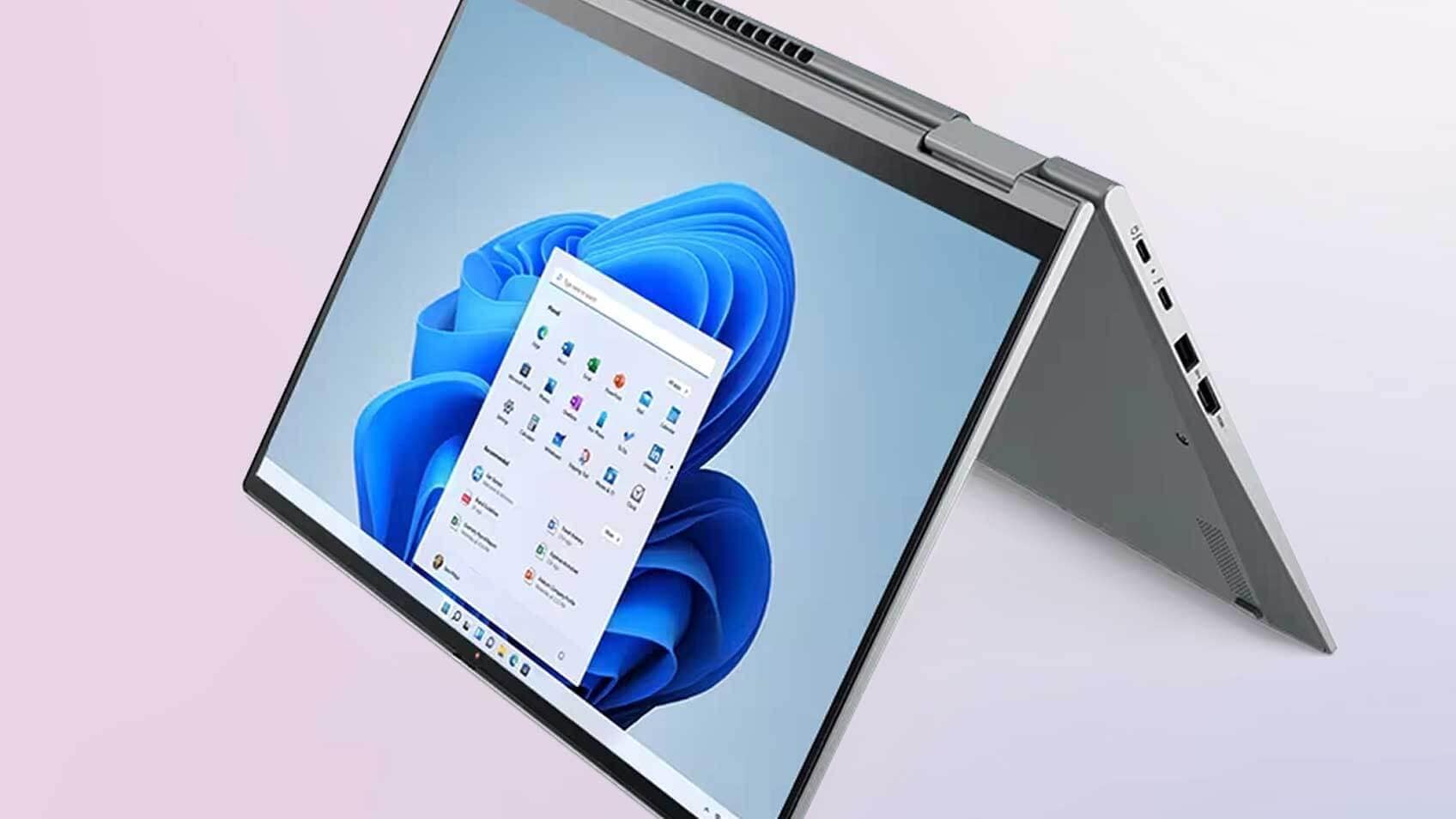
Windows 11 Migration
New episodes in May
Provide more powerful experiences and consistency with better security for all.
Coming soon

AI PC
New episodes in June
Streamline and enhance everyday tasks with smarter AI that’s personalized for each user.

Hybrid AI – AMD
New episodes in July
Find the perfect balance of hardware, software, and services that’s built to fit your architecture.
Hybrid AI – NVIDIA
New episodes in August
Achieve greater productivity, privacy, and agility with tailored AI solutions.
Contact Us

Meet Your Host,
Alexa Carlin
Alexa Carlin is an in-demand public speaker, bestselling author, top content creator for women's empowerment, and the Founder of Women Empower X. Alexa has worked with Fortune Global 500 brands to create captivating and relatable content. She has been featured on the Oprah Winfrey Network, Cheddar TV, FOX, ABC, CBS, TEDx and in Entrepreneur, Glamour Magazine, and Forbes, among others.

