

Flash storage is a type of data storage technology that uses solid-state memory to store information. Instead of relying on spinning disks, it uses electronic circuits to read and write data much faster. It’s popular because of its speed, reliability, and durability. Flash storage has become a go-to choice for businesses and individuals needing quick data access, from running large enterprise storage tasks to managing everyday files efficiently.


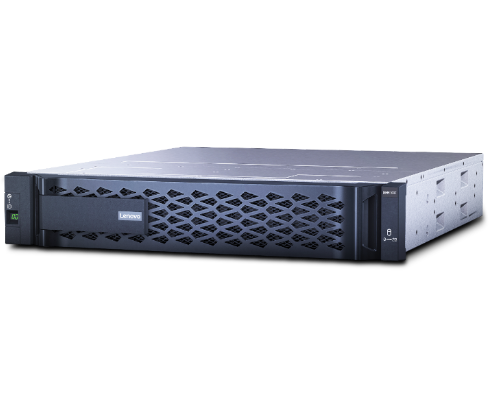
DM Series All-Flash Arrays
High performance, superior flexibility, and best-in-class data management. Transform your data center economics using all flash with exceptional data reduction technologies.
View DM Series All-Flash
ca_data_center_storage_unified
2daba086-a8e8-4794-bcad-70b3f129f238
The Role of Flash Storage in Transforming Enterprise Data Management
Data lies at the core of modern enterprise success, driving decisions, powering transactions, and fueling innovation. With IT infrastructures evolving rapidly to handle larger, more complex workloads, enterprises require storage solutions that deliver unmatched speed, efficiency, and reliability. This is where flash storage stands out, offering businesses the ability to process immense volumes of data in real-time while providing agility and scalability.
This guide takes an in-depth look at flash storage and its role in shaping efficient, scalable IT ecosystems. Also, learn how Lenovo ThinkSystem DE Series All Flash Storage Array redefines enterprise storage solutions, combining cutting-edge technology with seamless performance. By exploring the benefits and applications of this advanced solution, you'll uncover how to optimize storage strategies, enhance IT ecosystems, and maintain a competitive edge in today’s fast-paced digital landscape.
Understanding Flash Storage
Flash storage is a data storage technology, leveraging solid-state memory to deliver exceptional speed and reliability. Built on non-volatile memory chips, flash storage ensures that your data remains secure, even in the absence of power, providing businesses with a robust storage solution that meets modern demands.
But what makes flash storage a critical asset for enterprises? The answer lies in its unique blend of speed, scalability, and resilience, enabling organizations to efficiently manage an array of data-driven tasks.
3 Key reasons why flash storage is essential for enterprise success include:
- Speed: Flash drives offer ultra-low latency, allowing faster read/write operations. Tasks that once took minutes now take seconds.
- Scalability: Non-Volatile Memory Express (NVMe) protocols enable seamless data management for enterprises. With NVMe storage protocols, enterprises can seamlessly manage massive volumes of data without bottlenecks, scaling as your business grows.
- Durability: Without moving parts, flash drives have far fewer failure points, reducing downtime and maintenance costs.
Whether you’re running high-end analytics or need a reliable system for everyday workloads, flash storage technologies boost your ability to respond to dynamic enterprise demands.
Key Advantages of All Flash Storage Arrays for Enterprises
All flash storage arrays are an indispensable solution for enterprises handling data-intensive workloads. Built to provide superior performance, agility, and reliability, these systems are tailored for applications like AI processing, real-time analytics, or critical healthcare platforms.
4 Main advantages that all flash storage arrays bring to enterprise environments:
- Unparalleled Performance: With ultra-low latency, all flash arrays deliver high-speed data processing, enabling businesses to run demanding applications seamlessly.
- Space Optimization: Their compact design maximizes storage capacity while reducing the hardware footprint and lowering infrastructure costs.
- Energy Efficiency: Consuming less power and generating reduced heat, all flash arrays enhance sustainability while cutting energy expenses.
- Data Security: Advanced resilience features protect important data from cyber threats, ensuring uninterrupted and secure operations.
Lenovo’s data center storage solutions integrate seamlessly into enterprise environments, providing advanced SAN storage (Storage Area Networks) and NAS storage (Network Attached Storage) formats to further optimize performance.
The Lenovo ThinkSystem DE Series All Flash Storage Array offers robust enterprise storage solutions designed for real-time performance and scalability. It features ultra-fast data handling with low latency, integrated data security safeguards, and simplified management tools.
5 options from Lenovo’s ThinkSystem DE series to consider:
- 1_Lenovo ThinkSystem DE4000F Flash Storage Array: A streamlined, cost-effective solution designed for small to medium-sized enterprises, delivering scalable storage with reliable performance.
- 2_Lenovo ThinkSystem DE4800F Flash Storage Array: Engineered for high performance, the DE4800F is ideal for demanding midrange workloads with a balanced mix of speed and efficiency.
- 3_Lenovo ThinkSystem DE6000F Flash Storage Array: Provides robust performance and advanced features for data-intensive environments, perfect for real-time analytics and enterprise applications.
- 4_Lenovo ThinkSystem DE6400F Flash Storage Array: Offers superior scalability and seamless data management, enabling enterprises to handle growing workloads with ease.
- 5_Lenovo ThinkSystem DE6600F Flash Storage Array: Built for extreme performance and scalability, this high-end solution supports the most demanding workloads with uncompromising reliability.
The Benefits of Flash Storage for Enterprises
Flash storage is revolutionizing enterprise IT environments, empowering businesses to manage data efficiently with enhanced speed, scalability, and reliability.
4 Key benefits of flash storage:
1. Lightning-Fast NVMe Storage
Flash drives with NVMe storage deliver unparalleled speed for real-time analytics and mission-critical workloads. Often used for industries like finance, healthcare, and e-commerce, where milliseconds matter in transactions or decision-making. The Lenovo ThinkSystem DM7100F Unified All-Flash Array offers exceptional performance, delivering low latency for mission-critical operations.
2. Optimized Data Center Storage
Flash storage simplifies data management in modern data centers by reducing hardware needs and energy costs. Often used for cloud service providers, large-scale enterprises, and IT service management requiring efficient and cost-effective data handling. The Lenovo ThinkSystem DM5000H Unified Hybrid Array provides seamless integration and energy-efficient storage suitable for evolving enterprise needs.
3. Unified Storage Solutions
Flash storage supports unified storage, managing both file and block data from a single platform. Often used for creative agencies, legal firms, and SMEs managing diverse workloads like collaborative projects or sensitive data. The Lenovo ThinkSystem DG7200 Unified Storage Array supports diverse storage needs while maintaining serviceability and data protection for businesses handling complex tasks.
4. Reliable SAN Storage and NAS Storage
With high reliability, flash storage enhances SAN storage and NAS storage frameworks for businesses. Often used for media and entertainment, research institutions, and engineering firms that process extensive workloads or require seamless data access across teams. The Lenovo ThinkSystem DM5100F Unified SAN Flash Storage Array ensures smooth workload consolidation and simplifies data management for modern enterprises.
Why Enterprises Turn to Flash in Data Centers
Data centers are the pulse of the digital economy, hosting the operations that power everything from e-commerce platforms to cloud computing. With flash-based storage, industries are seeing profound changes in reliability and operational efficiency.
- Environmental Benefits in Data Centers: Organizations using flash have reported significant declines in electricity consumption. By consuming less power than Hard Disk Drive (HDD) systems, flash drives save costs and minimize data center footprints, creating more sustainable operations.
- Real-Time Decision-Making: High-speed flash storage arrays facilitate instantaneous access to actionable intelligence, boosting productivity across workflows.
For businesses aiming to optimize resource management, energy-efficient designs and low-latency solutions in data center storage play a pivotal role. These innovations not only help future-proof IT ecosystems but also support global environmental standards by enhancing sustainability and operational efficiency.
The Future of Enterprise Storage Solutions
The prospects for flash storage technologies are far from static. The pivot toward hybrid cloud infrastructures, 5G innovations, and AI solutions continues to redefine how data is accessed and leveraged globally.
4 Main emerging trends in enterprise storage are:
- Hybrid Cloud Expansion: Enterprises need scalable storage solutions compatible with both public and private clouds. Lenovo’s ThinkAgile HX, MX, and VX hybrid cloud solutions deliver high-performance, scalable platforms with hybrid connectivity and AI-ready capabilities.
- Edge Computing: Businesses incorporating edge deployments require ultra-fast NAS storage options with localized capabilities. Lenovo's ThinkEdge devices provide custom solutions designed to enhance performance, bolster security, and ensure scalability.
- AI-Powered Storage Management: Predictive analytics and automation will redefine how organizations provision their storage systems. Lenovo’s ThinkSystem DM Series integrates AI-powered tools to streamline storage management and optimize operations.
- Sustainable Architecture: Solutions grounded in efficiency and longevity are now essential rather than optional. Lenovo’s ThinkSystem and ThinkAgile products integrate innovative liquid cooling technologies, reducing energy consumption while delivering high-performance and eco-friendly operations.
If you're a business owner or individual seeking top-tier storage solutions, Lenovo is your go-to option for all your storage needs, offering AI-driven storage products right from scalable enterprise solutions to cutting-edge cloud integrations.
Simplify and Scale Your Business with Lenovo’s Storage Solutions
Flash storage is redefining how enterprises approach data management, offering unparalleled speed, scalability, and sustainability. From powering real-time analytics to supporting hybrid cloud and edge computing, this technology is the backbone of agile and efficient IT ecosystems. By adopting flash, businesses can streamline operations, reduce costs, and position themselves for growth in an increasingly digital world.
The future belongs to those who innovate. Whether you're scaling your operations or transforming your IT infrastructure, investing in advanced storage solutions will keep you ahead of the curve. Explore the opportunities flash storage brings and take the first step toward a more efficient, future-ready enterprise.
In a world where data drives decisions, Lenovo's unified and NAS storage solutions empower businesses to streamline workflows and scale effortlessly. Discover how Lenovo can help you achieve a secure, efficient, and innovative storage strategy tailored to your goals.
Flash storage works by storing data in memory cells made of floating-gate transistors. These cells retain data even when the device is turned off, due to non-volatile memory technology. Flash storage doesn’t have any moving parts, so it enables faster performance and reduces the risk of mechanical failure. This makes it ideal for workloads that require speed, agility, and resilience, such as enterprise storage solutions or data center storage.
Flash storage is better because of its speed, durability, and energy efficiency. It delivers faster data reads and writes, significantly reducing wait times for resource-intensive tasks. Since it has no moving parts, it’s less prone to wear and tear, lasting longer than hard drives. Additionally, it consumes less power, making it more eco-friendly and a perfect fit for businesses prioritizing sustainable enterprise storage solutions.
An all-flash storage array is a storage system made entirely of flash drives. Unlike hybrid systems that combine flash and hard drives, all flash arrays maximize performance with ultra-fast, low-latency storage. These are often used in environments like data centers or enterprises where high-speed data handling is a priority, such as real-time analytics or machine learning applications.
Flash storage supports enterprise storage solutions by ensuring faster data processing, better scalability, and reduced downtime. It’s great for managing large data volumes, enabling real-time insights, and providing the reliability enterprises need for round-the-clock operations. Whether it’s unified storage for multiple data types or specialized NAS storage, flash technology enhances business agility and efficiency.
NVMe storage isn’t the same as flash storage, but they often work together. NVMe (Non-Volatile Memory Express) is a protocol designed specifically for flash storage, ensuring faster communication between the storage and your devices. Think of NVMe as the fast-lane bridge that connects your lightning-speed flash drive to your computer or server. Together, they supercharge performance, especially in enterprise and data center storage scenarios.
Flash storage improves data center storage by enhancing speed, reducing power consumption, and optimizing space. Its compact, energy-efficient design means you can store vast amounts of data without needing massive infrastructure. The low latency of an all-flash storage array ensures faster access to critical information, helping businesses run more efficiently.
All flash storage arrays are popular because they deliver unmatched performance and reliability. Enterprises rely on these solutions for applications requiring high-speed data processing, quick boot times, and rapid switching between tasks. They’re especially valuable in industries like finance, healthcare, and e-commerce, where every millisecond counts.
SAN storage (Storage Area Network) is used for block-level data storage, often in high-performance environments like virtualization or databases. NAS storage (Network Attached Storage) provides file-level storage, making it ideal for shared access across teams. Both can benefit from flash storage solutions, which enhance speed and reliability in either setting.
Unified storage allows businesses to manage both file and block data types on a single platform, minimizing complexity. It eliminates the need for separate systems, streamlining storage management while supporting scalability. Flash-enabled unified storage makes the process even faster, ensuring you can handle diverse workloads effortlessly.
NVMe storage delivers higher speeds, lower latency, and better scalability compared to older storage protocols. It’s perfect for demanding workloads like AI processing or real-time analytics. NVMe is most effective when paired with flash storage, making it a game-changer for enterprise storage solutions and data center storage.
Flash storage reduces power consumption by eliminating the need for spinning disks, which consume more energy. It generates less heat and requires less cooling, making it ideal for eco-conscious businesses seeking to lower their energy bills. A data center equipped with an all flash storage array will be both efficient and sustainable.
NAS storage is a good choice for small businesses because it offers accessible, file-level storage that’s easy to configure and share. It’s ideal for teams needing centralized storage for collaboration. Paired with flash technology, NAS solutions deliver fast data access, ensuring small businesses can operate seamlessly without delays.
Durability in flash storage refers to its ability to withstand wear and tear over time. Since flash drives have no moving parts like traditional hard drives, they’re less prone to physical failure. This makes them ideal for long-term enterprise storage or mission-critical data center storage environments.
Yes, all flash storage arrays are perfect for real-time analytics. Their ultra-fast speed ensures immediate access to data, which is essential for processing insights on the fly. Whether it’s financial transactions, AI tasks, or operational analytics, all flash arrays deliver the agility businesses need to stay ahead.
Flash storage handles large data volumes efficiently thanks to its speed and scalability. Whether you’re running an enterprise storage system or managing a data center, flash drives can quickly process vast amounts of data, ensuring smooth performance even during peak loads.
Industries like healthcare, finance, e-commerce, and technology benefit the most from flash storage. These sectors rely on fast, reliable data solutions for everything from patient records to financial transactions. Flash storage, especially all flash storage arrays, offers the speed and resilience necessary for these high-demand applications.
Scalability is crucial in enterprise storage solutions because data needs grow over time. Flash storage ensures you can expand your resources without significant downtime or performance issues. It’s especially beneficial in environments using unified or SAN storage systems.
Flash storage enhances SAN storage by improving speed, reliability, and efficiency in block-level data access. This is particularly useful in enterprise storage environments where high performance and low latency are critical. For tasks like virtualization, SAN storage with flash technology is a powerful option.
Flash storage is used in unified storage systems to provide a seamless environment for managing both block and file data. It accelerates performance, ensuring processes like data backups and file sharing happen almost instantly. Unified storage with flash technology is a versatile solution for enterprises of all sizes.